Eva Thomas
|
Neubauer Artists LLC Getting your Trinity Audio player ready... |
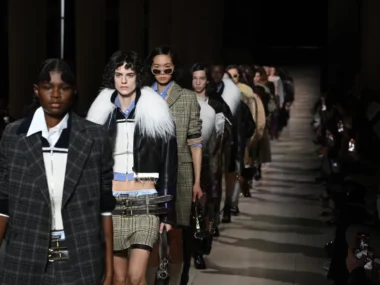
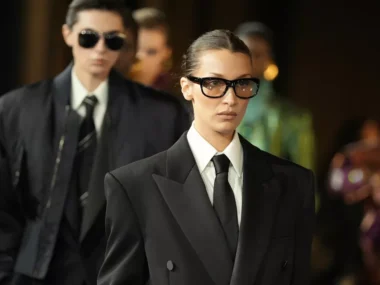
Featuring the song “Jóga” from Icelandic artist Björk’s 1997 album Homogenic, and model Alex Consani in a gray flannel ensemble with a high funnel neck, the collection felt like a throwback to the minimalism Jacobs was into in the late 1990s. (In recent years, the designer has tended towards a distinctly avant-garde and maximalist expression.)
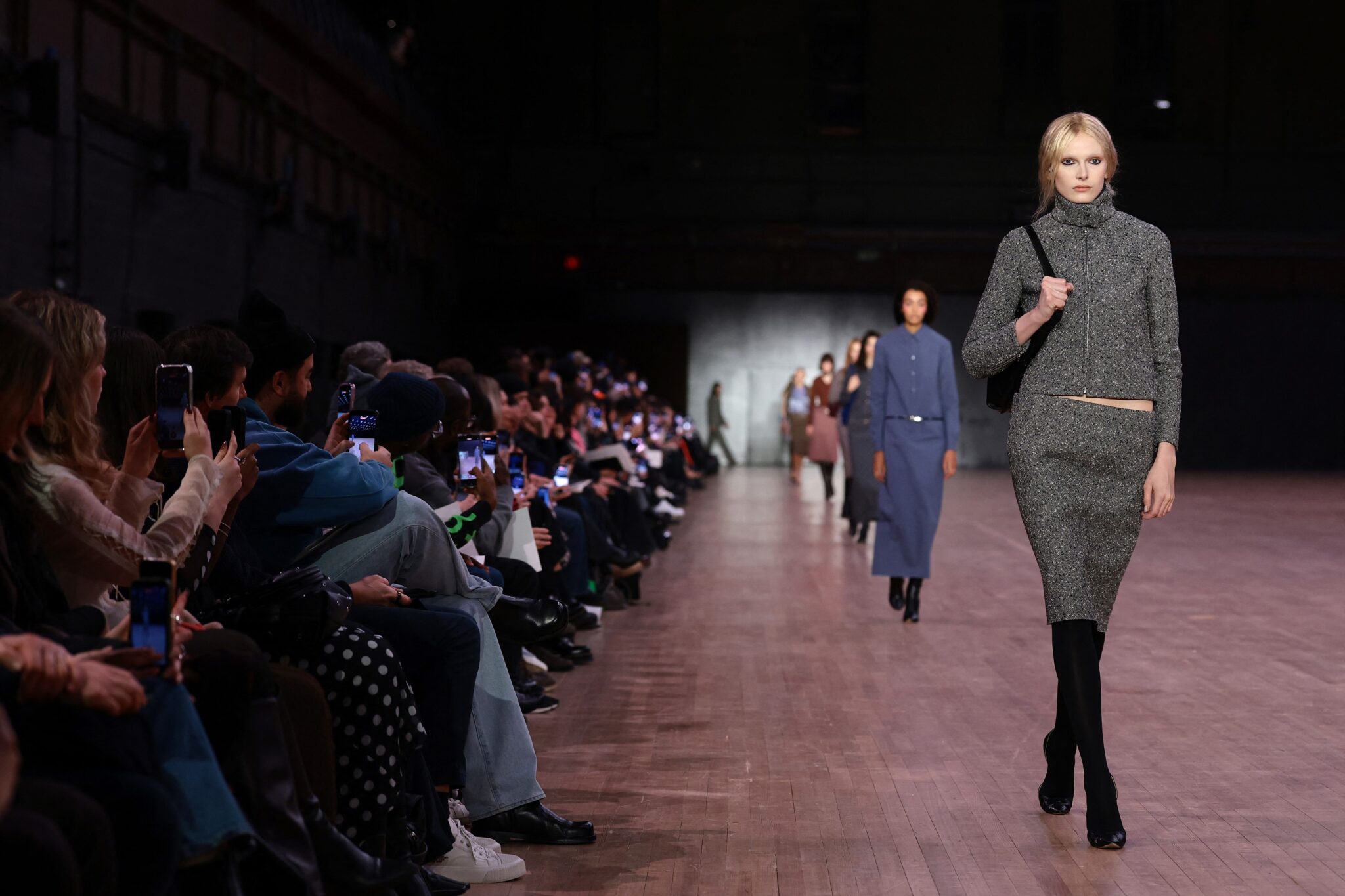
Although Jacobs was the most direct when it came to inspiration, he wasn’t the only one reaching for that narrow time window of the late 1990s this season. Fashion was already profusely reviving the grunge aesthetic and Y2K excess, but the period in between remained relatively unexplored in the wave of nostalgia. Fashion in turbulent times almost always returns to the idealization of “simpler” and “better” eras — from Renaissance expressions to the revival of old Hollywood glamor in the seventies.
GEORGE V MAGAZINE
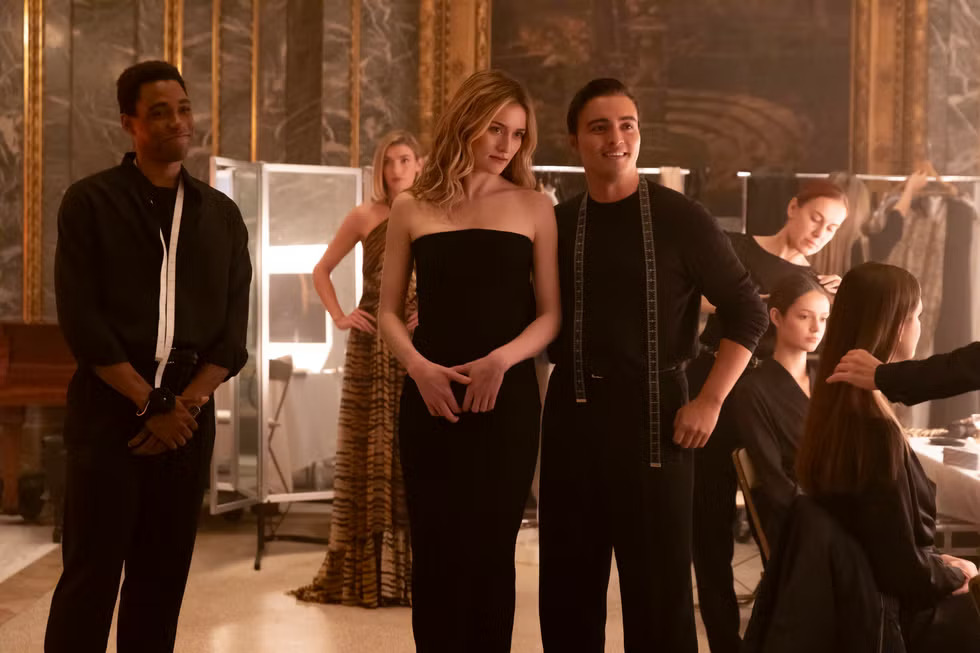
The series Love Story , in which Sarah Pidgeon portrays Carolyn Bessette Kennedy , gave an additional impetus to this return. The aesthetics of that period are once again present both on the screens and on the runways. Still, a revival has been brewing for some time: minimalist brands like The Row and Totem already dominated the scene, while Instagram accounts like Cabmate archived the nostalgic street style of stars like Julia Roberts , Kate Moss and Bessette Kennedy herself.
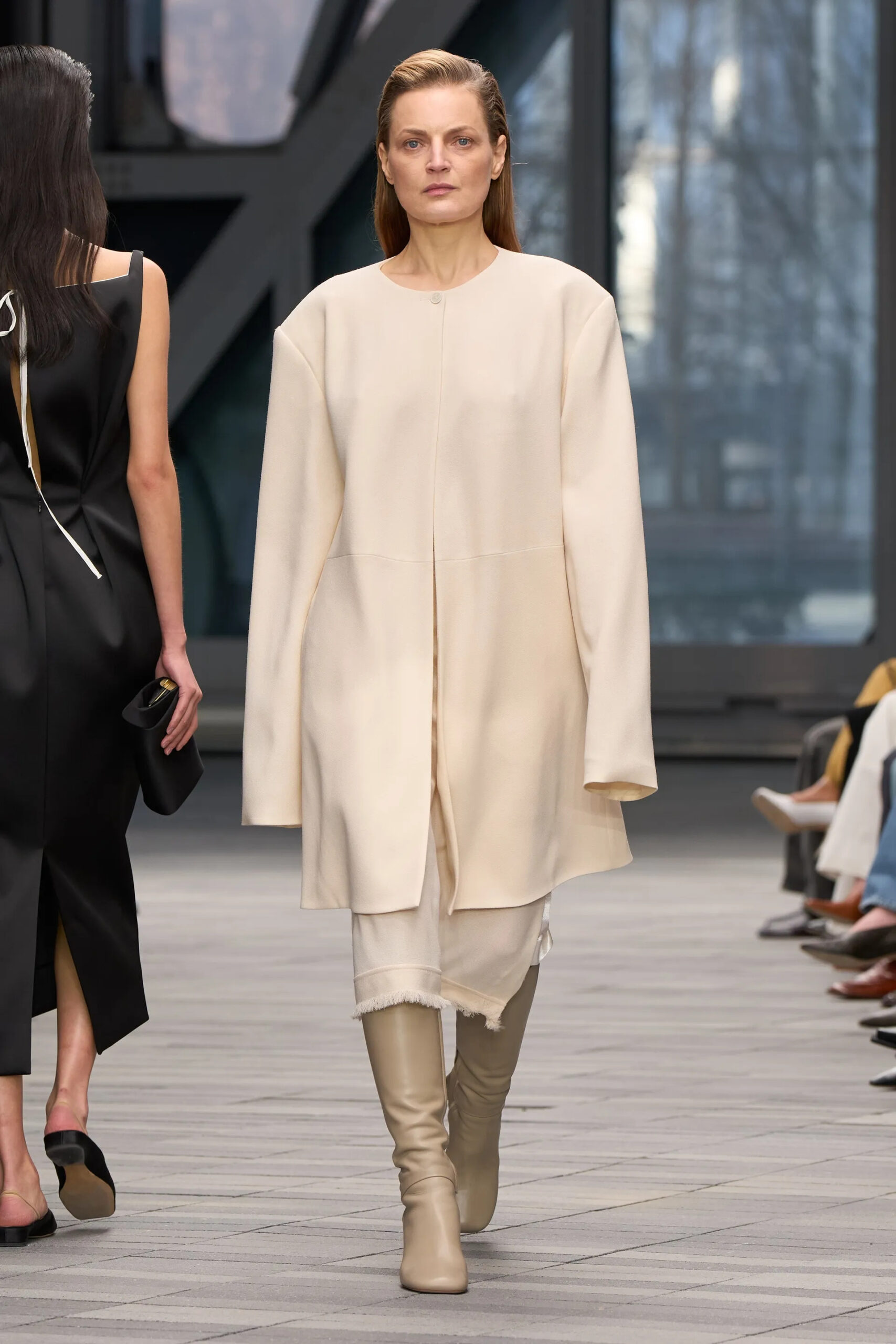
In a collection for Calvin Klein , designer Veronica Leoni formally referred to the late 1970s and early 1980s, but elements of the late 1990s were clearly mentioned — especially in an elegant dress with a sporty cut with a “racerback” back and a gray straight silhouette dress with a square neckline. (Bessette Kennedy worked at Calvin Klein in the 1990s, and the brand’s offices appear in the pilot episode of the series.) For fashionistas, the hiring of model Guinevere van Seenus, a Calvin Klein favorite from the 1990s, was an additional nod to the era.
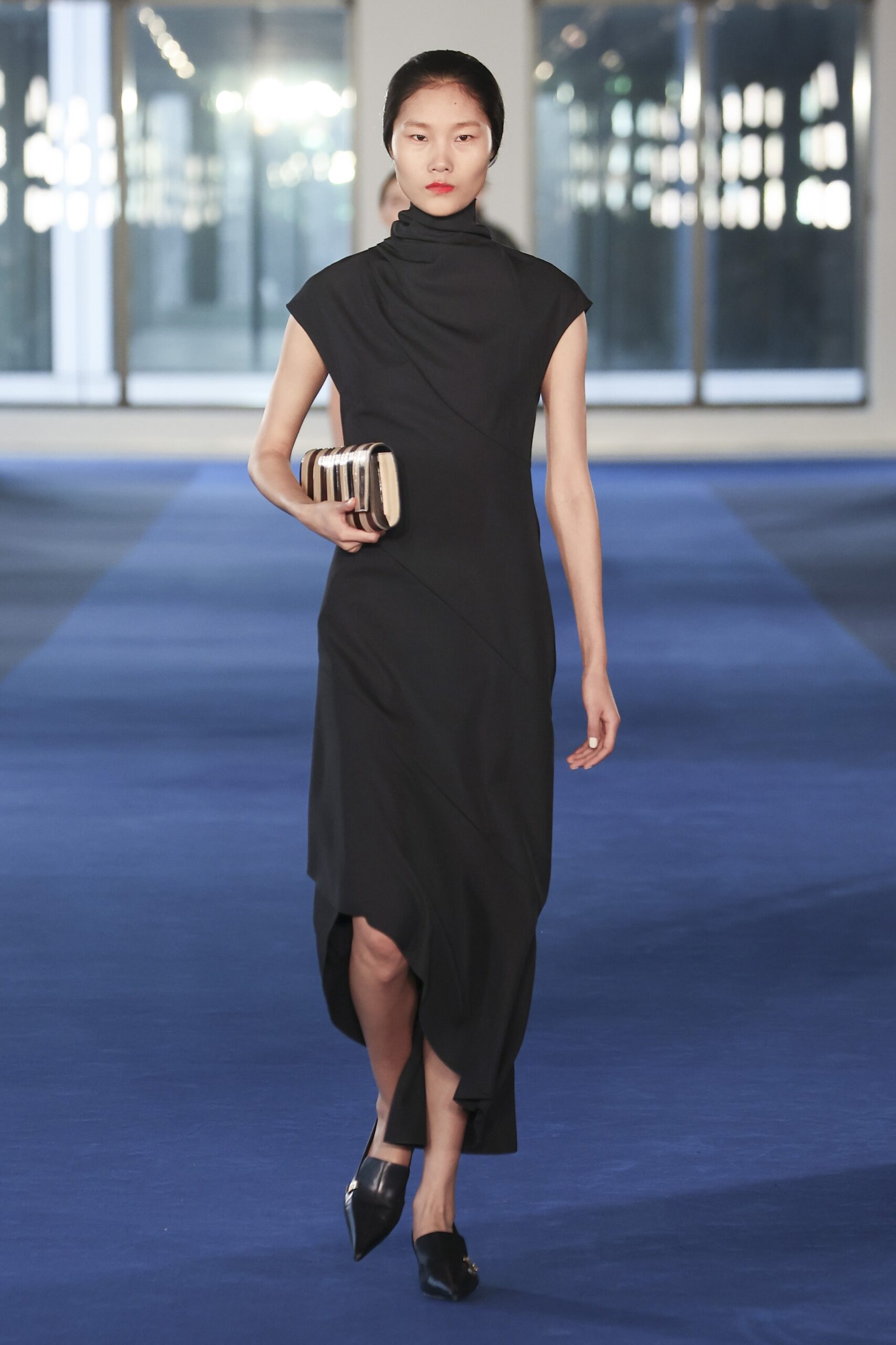
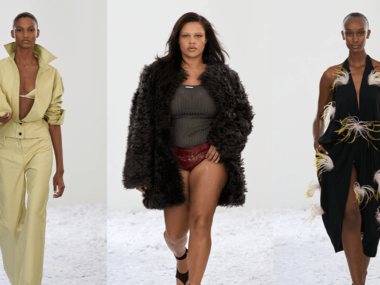
Rachel Scott’s debut collection for Proenza Schouler showed a woman “in a hurry”, through minimalist dresses with a closed neckline, alongside more decorative pieces. Under the Khaite brand, Catherine Holstein offered slip-dresses and shiny surfaces that acted as a bridge between grunge and the technologically saturated aesthetics of the transition to the 21st century.
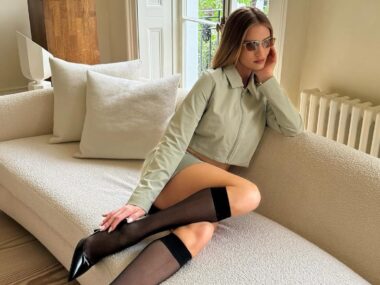
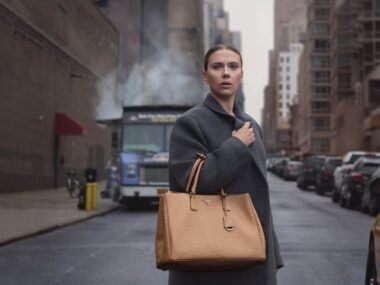
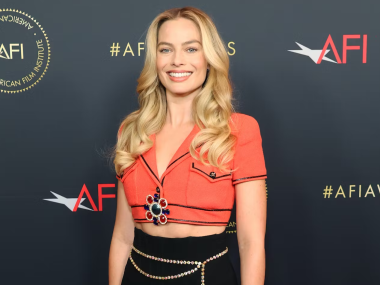
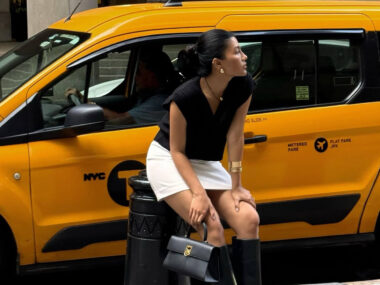
It wasn’t just the big names that revived the late nineties. Smaller brands like Fforme , Ashlyn , Kallmeyer and Colleen Allen joined the trend with their own interpretations of the era’s motifs — from square necklines to apron-like bindings.
These pieces don’t just feel like a relic of a simpler, less stylized time; they also correspond to what women really want to wear. They fit perfectly into the capsule wardrobes we’ve all become prone to, while being distinctive enough to avoid the “quiet luxury” label. New York fashion may sometimes get criticized for being too commercial, but there’s something about giving the customer exactly what they’re after.





















































 Margaux Anbouba
 Joy Montgomery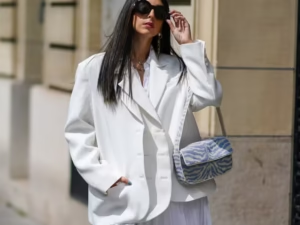
 Hannah Jackson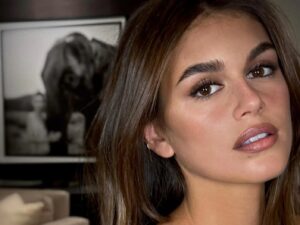
 Calin Van Paris