



|
Neubauer Artists LLC
Getting your Trinity Audio player ready...
|
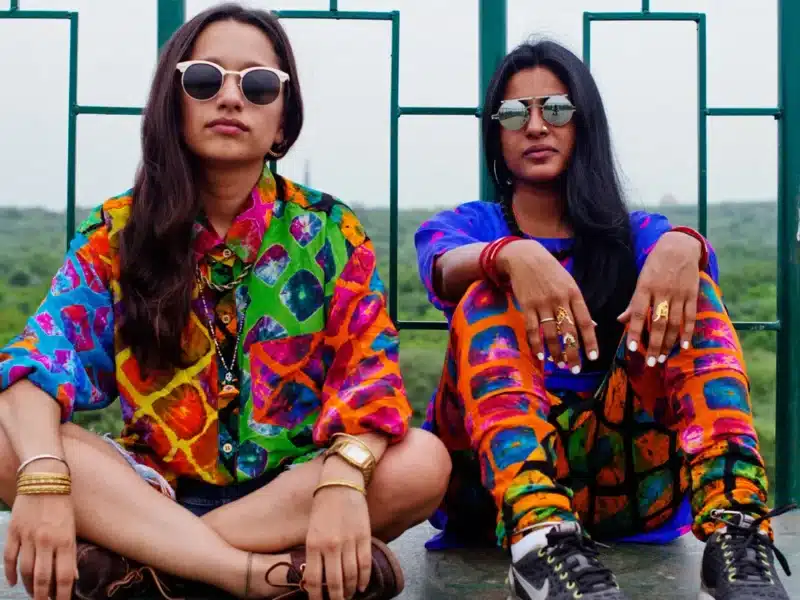
Local streetwear brands, festivals and stores selling major global labels remain relatively small but the country’s community of hypebeasts and sneakerheads is growing fast.
- India’s nascent streetwear market is growing as local labels, events and retailers expand across major cities from Mumbai to Bengaluru.
- Major global streetwear labels are present at several multi-brand stores and marketplaces but few have a significant nationwide presence.
- With consumers showing an appetite for Indian elements in streetwear, international brands should consider local tastes and collaborations.
India’s vibrant streetwear scene is too young to have a king, but fashion industry insiders say that several entrepreneurs are already vying for the crown.
One likely contender is Param Minhas, co-founder of Mumbai-based SoleSearch, a specialist online marketplace that stocks streetwear brands ranging from Supreme to Bape, in addition to merch from Palm Angels, Palace, Fear of God and Off White alongside hyped sneaker models from big brands like Nike and Adidas.
Founded in 2021 as an Instagram community of enthusiasts, Minhas monetised the account by connecting sellers with buyers through a listing fee. The business has grown quickly to include multiple street culture and shopping events, featuring Indian and international music artists, gaming zones, video game tournaments, and street dance performances.
The company’s main event, SneakinOut, happens across several cities each year, attracting over a thousand people to venues in Mumbai, Delhi, Hyderabad, Pune and Chandigarh. Another event series, SoleCon, which was organised twice in 2023, saw an average footfall of over 10,000 people over three days.
“India’s streetwear market is growing rapidly,” said 33-year-old Minhas, who estimates that SoleSearch achieved 30-35 crore rupees ($3.6- $4.2 million) in sales in the last fiscal year. The company raised $734,000 in a seed round in 2023.
“Currently we’re focussed on sneakers [which account for around 70 percent of the business] but…I’m looking at the split between sneakers and streetwear being 50-50 or maybe streetwear taking over in the next 4 to 5 years,” said Minhas.
The company launched two physical sneaker and streetwear stores last year, in Mumbai and Hyderabad. It is now gearing up to open a third in Bengaluru in the next six months, and others in smaller cities like Ahmedabad, Chandigarh and Jaipur over time.
“How young people shop [in India] is changing; they don’t want to buy fast fashion [as much anymore]. They’re intrigued and interested in supporting emerging labels and wearing something that’s truly unique to them, not something that’s freely available. That’s where streetwear culture comes in,” said Minhas.
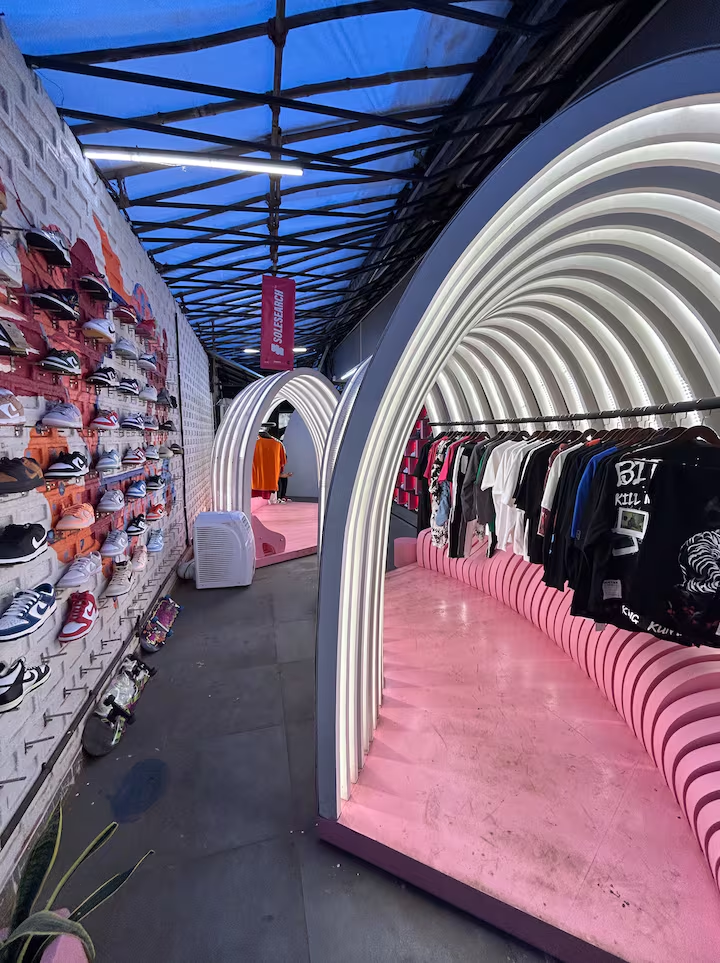
Minhas is not the only one placing his bets on the Indian streetwear and sneaker market. A growing number of local entrepreneurs — as well as global sports and athletic wear giants like Nike, Adidas and New Balance — are engaging with the streetwear community to find ways to connect with young consumers through conventions, campaigns, and social media.
“For most men, streetwear is the easiest and most accessible way to embrace fashion,” said Che Kurrien, head of editorial content at GQ India. “[Because streetwear in India] is in its phase 1.0, streetwear designers are drawing cues from the West, like from skateboarding culture, which only exists in India on a very small [scale]. The challenge for local streetwear brands is to reinvent streetwear for India in a very organic way.”
Highlighting some of the key players in the country’s bourgeoning scene, Kurrien points to multi-brand streetwear and sneaker curators like Bengaluru-based Capsul, New Delhi-based VegNonVeg and Crepdog Crew, and Mumbai-based Mainstream Marketplace and SoleSearch. He also cites influential brands such as Jaywalking, Almost Gods and Bluorng.
Western streetwear leaders have India on their radar too. According to American streetwear pioneer Jeff Staple, founder of the namesake label Staple and creative agency Reed Art Department, international brands are starting to pay attention to the market because of the country’s vibrant culture and its vast potential. “The country’s diverse, young population is starting to make its mark on the global streetwear map. It’s exciting,” he said.
“Collaborations and launches targeting the Indian audience are increasing, signalling a promising future,” Staple explained, noting an uptick in interest in brands like his from local consumers “through online sales, social media interactions [and] even requests for store openings in India.”
India’s streetwear scene has also provided fresh blood and dynamism to the broader fashion market, particularly in menswear. But questions remain over the pace of growth and trajectory of this relatively small sector. Is it really at a turning point, as some locals suggest?
Market debuts and expansion plans
Last year, New York-based streetwear and sneaker boutique Extra Butter opened its first store in Lower Parel, an upmarket neighbourhood of Mumbai. In the run up to the launch, the company sponsored a skate park, and started engaging with creative communities in the city, including at music festival Lollapalooza India.
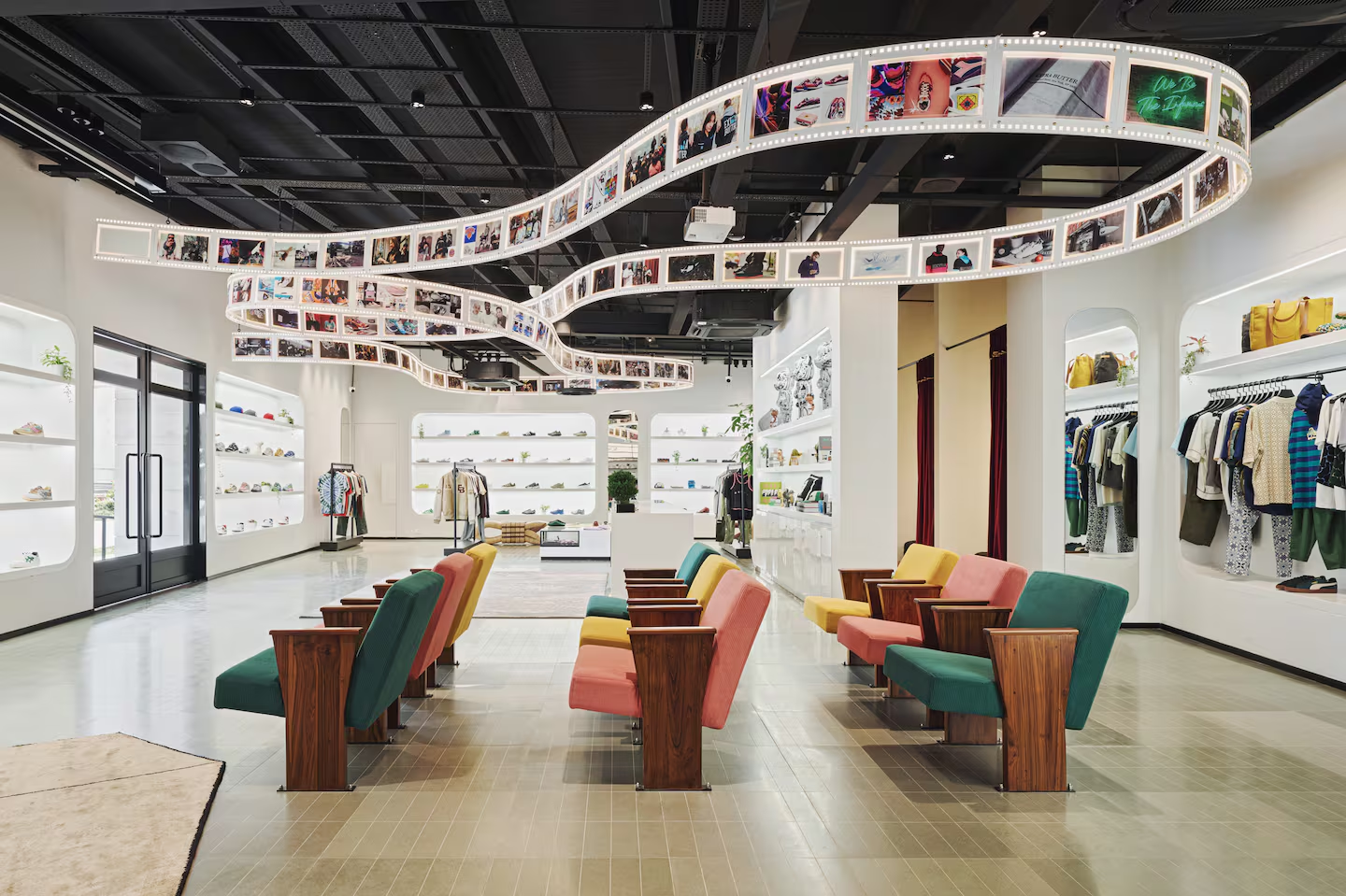
Besides sharing a strong connection with India because it is the country of their birth, Extra Butter co-founders and brothers Ankur and Nick Amin say they were mostly motivated to enter the market because of the solid business opportunity it represents.
“India is that white space… There’s a lot of hurdles but once you get past them, you have access to one of the biggest consumer bases in the world. We thought of many places, but the opportunity is the biggest here,” said Ankur Amin, noting among other factors the size of the youth demographic.
Around 66 percent of India’s population is below the age of 35, according to the International Labour Organisation.
In January, Singapore-based sneaker boutique Limited Edt opened its first store in India, adding to a growing number of companies expanding there. The store stocks products from Japanese artist Takashi Murakami, California–based Noon Goons and Bearbrick figures from Japan’s Medicom, among others.
A month later, Mumbai-based sneaker and streetwear reseller Mainstream Marketplace organised the third edition of its sneaker convention, which was attended by 2,500 people, according to 24-year-old founder Vedant Lamba. Crepdog Crew opened its second India store in the city last May.
At the same time, local multi-brand streetwear and sneaker retail pioneers like VegNonVeg and Superkicks have not only expanded their store network but developed their own brands. VegNonVeg co-founder Abhineet Singh says the company is looking to open three new stores — in Hyderabad, Ahmedabad, and Gurgaon — in addition to the three it already has in Delhi, Mumbai, and Bengaluru.
Singh, who started the company in 2016 with Anand Ahuja and Emilia Bergmans, believes that the state of the local streetwear and sneaker market is difficult for international players to grasp, in part because it has developed so quickly in the last few years.
“Things that are true elsewhere are not necessarily true here. Indian consumers are a lot more price sensitive,” said Singh. “There were hardly any sneakerheads when we started, and we are still making people into sneakerheads, [but] people are curious and they’re still sort of learning.”
Educating customers will take more time but operating in India presents challenges in the meantime for entrepreneurs like Singh. “VegNonVeg is top-tier for most of the brands we carry but even in the top-tier, there is segmentation,” he concedes, suggesting that it takes more work and effort to stock some of the hottest international names than for similar retailers in more developed streetwear markets like Singapore and Dubai.
“For instance, everybody wants to get [merch from brand collabs with American rapper and streetwear star] Travis Scott at the moment but we don’t carry that because we just don’t have access to it. And part of it is that brands have to make a case all the way up the chain to the [partner brands’] headquarters to [secure it for us],” he explained.
Local streetwear labels are keen to exploit any opportunities left by such gaps. Many have expanded their footprint, such as New Delhi-based Bluorng, founded in 2020 by Mokam Singh and Siddhant Sabharwal, which recently opened stores in Delhi, Mumbai, and Hyderabad. Mumbai-based Jaywalking, founded by Jay Jajal, opened a fourth store in Ahmedabad in January.
There are more signs that the streetwear market is growing. Mumbai-based multi-brand sneaker retailer Superkicks, which has four stores in Mumbai, Bengaluru, Delhi and Hyderabad, is currently expanding its offering of streetwear labels, even though 90 percent of its current revenue comes from sneakers. In the last two years, the company has added brands like UK-based Represent, Huff X Thrasher, Japanese streetwear brand FDMTL. Superkicks founder Sangeet Paryani says the company plans to add New York-based Sporty & Rich and Chinatown Market.
India’s largest conglomerates also have a share of the pie. The retail unit of Reliance Industries’ e-commerce platform Ajio has a special sneaker store on its platform and another subsidiary has tied up with luxury British streetwear brand A Cold Wall to sell that on Ajio Luxe. Meanwhile, Tata Group’s Tata Cliq Luxury has recently expanded its streetwear portfolio by making a curation of brands by Indian multi-brand streetwear retailer Capsul available on its platform.
Adapting streetwear’s codes to India
Indian streetwear entrepreneurs believe that local companies can help provide the distinct voice that consumers increasingly seek.
“There are Indian streetwear brands that are trying to compete directly with international brands like Palm Angels and they are kind of succeeding. They’re able to sell a shirt for 5,000-6,000 rupees ($60-72) and they’re selling out,” said Minhas, referring to local labels like Jaywalking, Dhruv Khurana’s Almost Gods, Huemn, and Warping Theories.
Huemn, an early streetwear label founded in 2012, has produced collaborations with both local and international artists to appeal to Indian consumers. “You have to know your community,” said Huemn CEO and co-founder Pranav Misra. “Everyone’s making a good quality t-shirt…but what’s your hook? What’s the story that you’re telling? Otherwise, it’s just going to be a t- shirt.”
Huemn has partnered with Los Angeles-based portrait photographer Mark Hanauer to make t-shirts with his photographs of American poet Charles Bukowski. It has also collaborated with Kashmiri creatives, like fine artist Syed Mujtaba Rizvi, photojournalist Azaan Shah, and artist and architect Zoya Khan to create merchandise featuring their work.
Other players have been adding local elements to their products. For Halloween last year, Superkicks created t-shirts inspired by old Bollywood horror movies made by the Ramsay Brothers. VegNonVeg launched a camo collection last year, which was created using ajrakh block printing, in collaboration with Sufiyan Ismail Khatri, a Kutch-based artisan whose family has been involved with the craft for over ten generations.
Making designs appealing is crucial but getting the pricing right is even more important in India than in other markets.
“Footwear has seen some resistance when it comes to higher price points,” said Amin of Extra Butter. “The sweet spot for footwear in India has been between 12,500-15,000 rupees ($150-$180) thus far but we’ve seen success with higher priced products from New Balance and Adidas Consortium.”
For clothing, however, Amin says the company can sell high-end pieces from brands like Paris-based Casablanca costing 70,000 rupees ($844) as well as more “approachable” 4,000 rupees ($48) shirts from Carhartt WIP. Some of the company’s bestsellers are t-shirts from its private label, priced between 4,000-5,500 rupees ($66).
Curating or adapting products that satisfy local tastes will be key for international brands looking to expand in the country. “In markets like Korea and China, the weather is temperate and people can wear browns and greys, monotones, but in India we cannot have that subdued colour scheme that’s related to the West,” said Anand Ramanathan, Deloitte’s partner and leader of consumer industry for South Asia.
In a cinema- and cricket-obsessed country, streetwear companies can take cues from sportswear brands like Adidas that have leveraged the popularity of some of India’s biggest actors and sportsmen through campaigns and collaborations. Extra Butter launched an India-exclusive sneaker and apparel collection with Adidas during the Cricket World Cup, which sold out quickly online, according to Amin.
But just how big is the streetwear opportunity in this colossal but famously complex market that, in the past, has not always met expert forecasts or industry expectations?
Reality check for a high-potential market
The growth of the streetwear market is underpinned by the growth of India’s overall sportswear market, which is valued at $9.4 billion and expected to grow to $12.4 billion by 2027, according to Euromonitor. The Indian sneaker market is valued at 15,000 crore rupees ($1.8 billion) and is forecasted to grow by 13-15 percent between 2024 and 2027, outpacing the rest of the footwear market by about 30 percent, according to Namit Puri, managing director and senior partner, Boston Consulting Group, India.
Retailers across the board have seen a surge in demand for sneakers. Saurabh Srivastava, Amazon Fashion India’s vice president, says the e-commerce major has witnessed significant growth in demand for sneakers from brands like New Balance, Ecco and Chinese brand Anta in the last two years. Meanwhile, at online fashion retailer Myntra, business vice president Jayanti Ganguly, says that the streetwear apparel and sneakers category is the fastest growing segment within its Gen Z consumer cohort.
Yet the Indian streetwear market, and the local street culture movements that shape it, are both still in a nascent state. “We are starting to see individuality come in a little bit more, but not to the extent that exists in [markets with a streetwear] culture that is 50-60 years old,” said Singh. “It’s still largely hype driven here.”
Amin’s optimism for the market is also tempered by a healthy dose of realism. “There’s definitely a community that is passionate about the way of life and the stories and art behind the product, but it’s small and somewhat disconnected,” he said.
“It’ll take a greater effort by brands and retailers to expand and serve this community.”