
|
Neubauer Artists LLC Getting your Trinity Audio player ready... |
What role do you want to play with your style?
In fashion, nothing symbolizes belonging more than a uniform, so as 2026 approaches, it can be said that “character dressing” is definitely on the agenda.
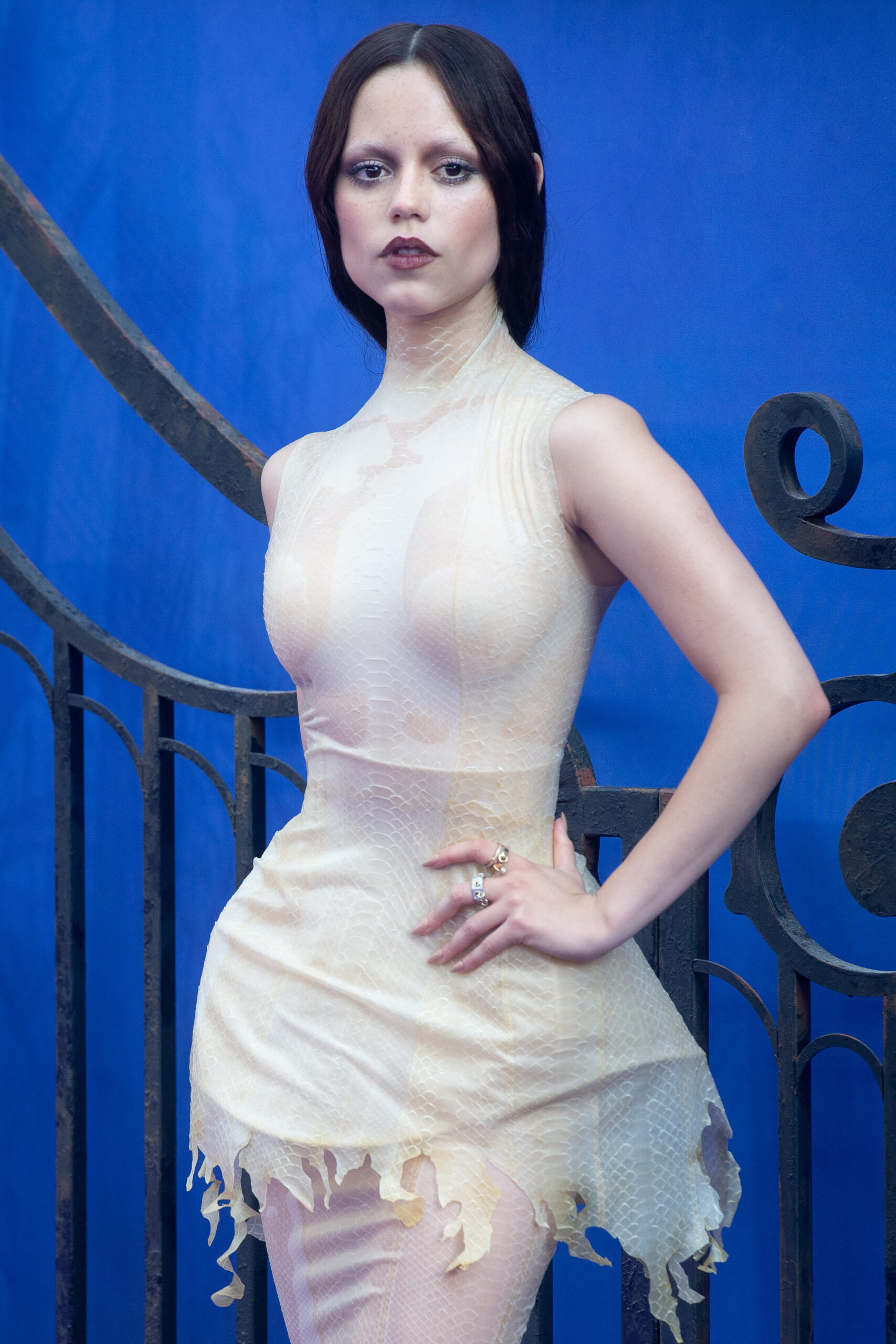
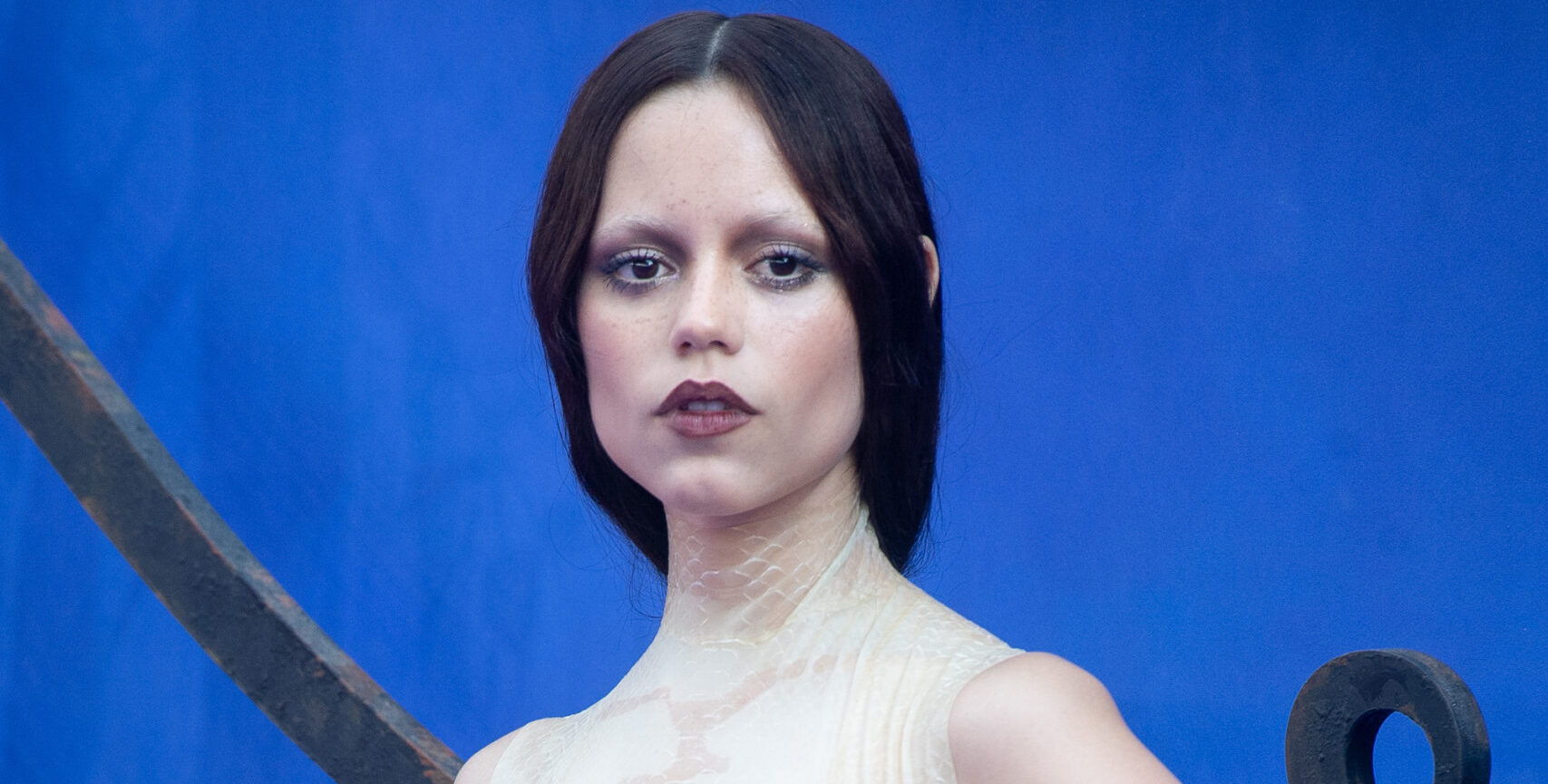
Partly stimulated by the growth of the so-called method dressing trend (like Jacob Elordi on the Frankenstein tour, Jenna Ortega promoting the second season of the Wednesday series, and everything currently happening with Marty Supreme), the fixation on certain subcultures, characters and uniforms manifested itself through the return of sailor hats and military jackets, and then began to appear in campaigns and collections.
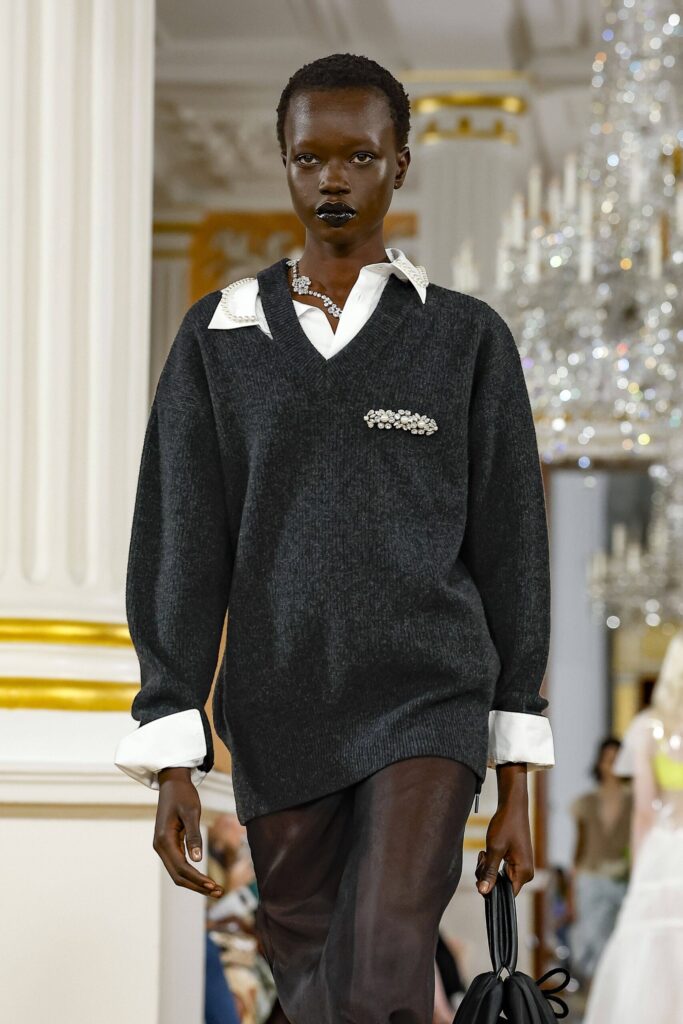
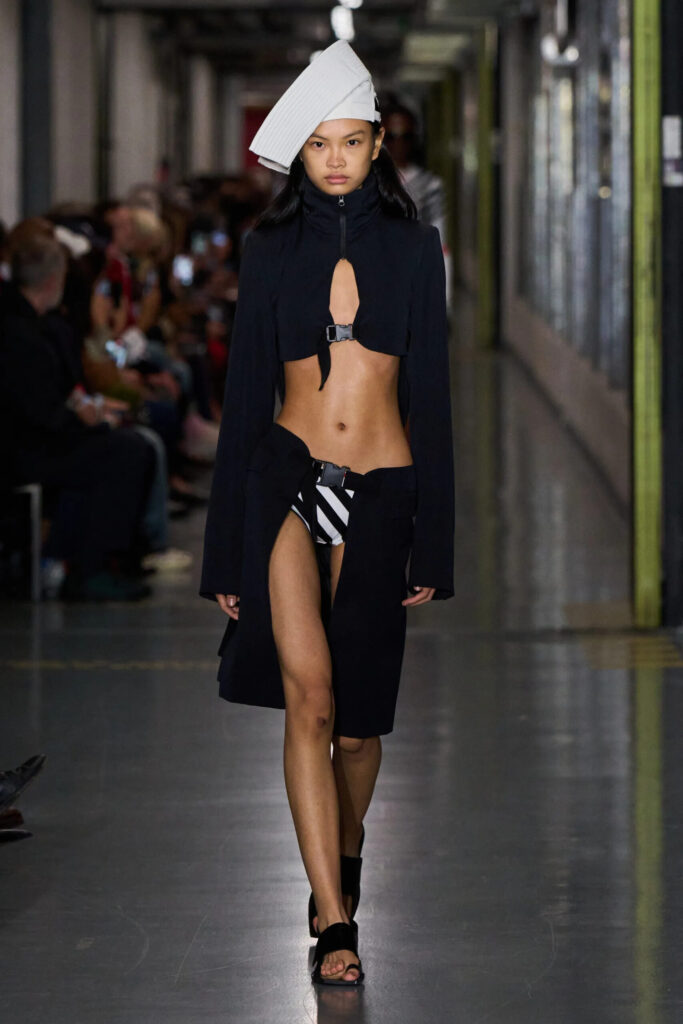
The Spring/Summer 2025 season saw the return of sailorcore, with distinctive Breton stripes, sailor hats and collars dominating street style at fashion weeks. Fast forward to Spring/Summer 2026 and collections such as those by Simone Roche and Duran Lantinck for Jean Paul Gaultier confirmed his triumphant return, ushering stripes and sailor hats onto the runways. Even though sailorcore was once an integral part of JPG’s DNA, and therefore logical for it to appear on Lantink’s debut, it’s still a sign of the times that we can’t ignore.
Also, last year saw a huge comeback in military jacket popularity , fueled in part by the Indie Sleaze trend and the style of celebrities Alexa Chung, Charli XCX and Jenna Ortega. McQueen’s recent SS26 show and the Ann Demeulemeester collection further highlighted the growing fascination with uniforms. The military jacket trend also suggests the transformation of previously “unpopular” hobbies, like band practice, into a source of inspiration and collective identity.
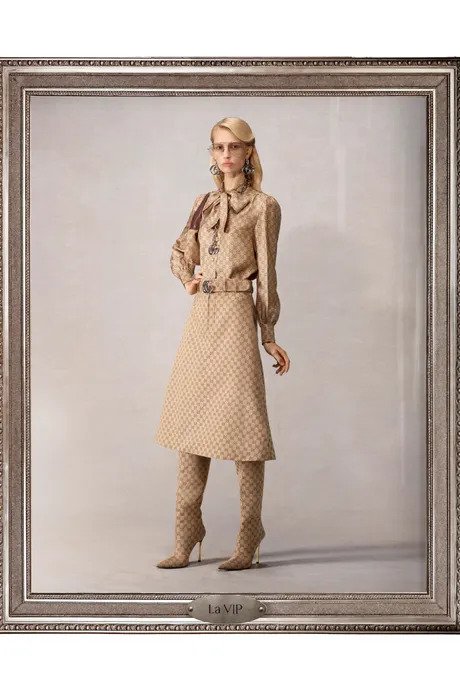
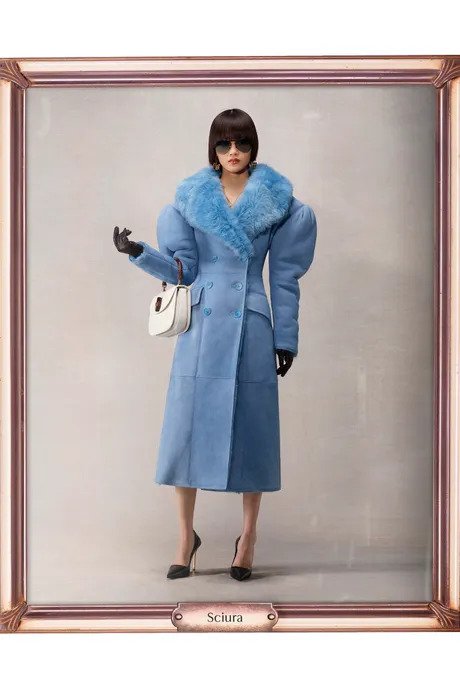
Demna’s first collection as Gucci’s new creative director developed this concept of community, presenting a series of Gucci “characters”, defined by their aesthetics and interests. The collection, called “La Famiglia” , is a study of the brand’s Gucciness and explores how Gucci has become a mindset with its own customers and subcultures to which it can belong.
Our increased online presence further reinforces this shift, as apps like TikTok and X categorize us into groups like “fashionistas” and “non-fashionistas,” almost as if we belong to a community based on our actual possessions. As it has become easier to find our “group” online, based on where we shop, what brands we follow and what we search, it also becomes easier to dress alike, whether we do it on purpose or not.
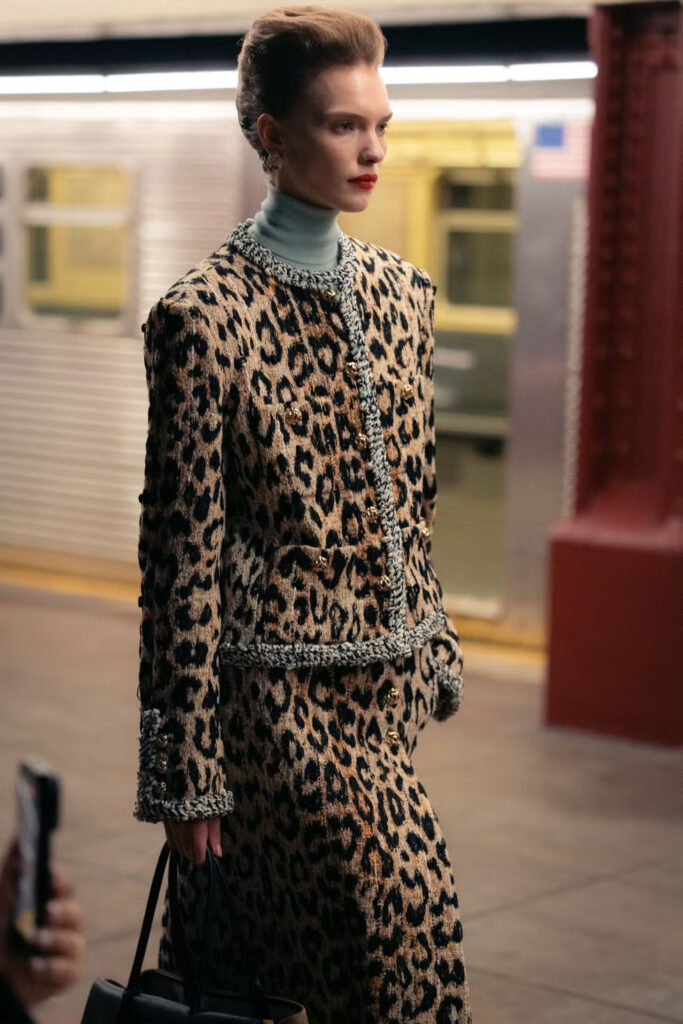
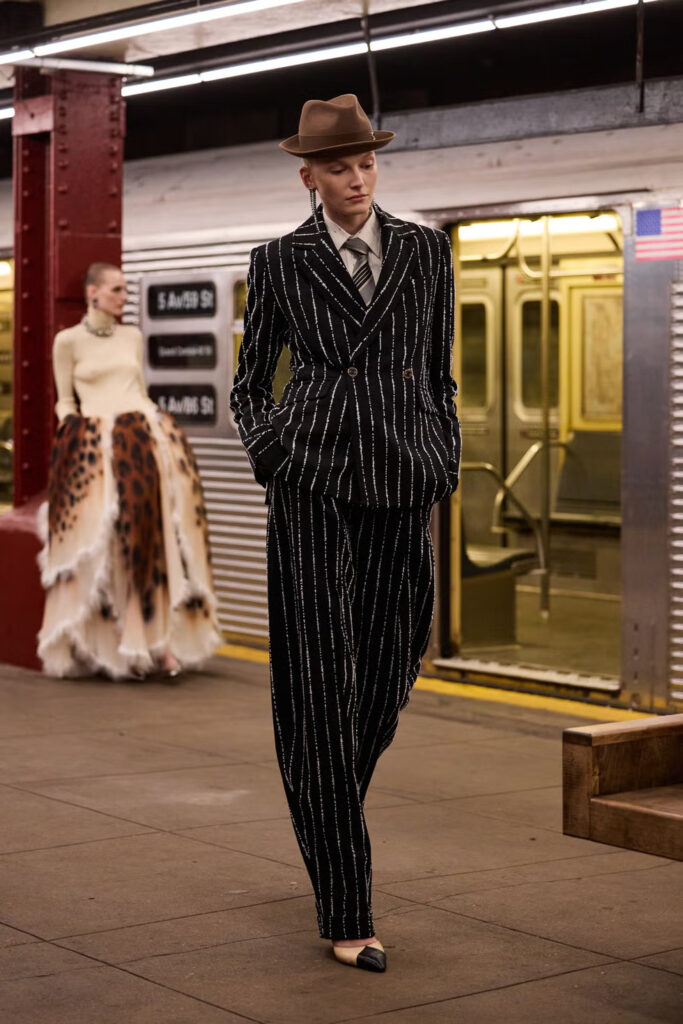
Adding to this study of subcultures, Matthieu Blazy showed his latest Chanel collection and show to guests in the atmosphere of the New York subway, revealing a multitude of different characters. The collection, inspired by the energy of the city and Gabrielle Chanel’s experiences in New York, presented different types of “Chanel women” through the prism of everyday travelers — from art students to tourists. The message was clear: “The New York subway belongs to everyone. Students, innovators, politicians and teenagers use it.”
Perhaps this is a sign of our desire to belong, but one thing is certain — our affinity for character dressing is likely to be more prevalent in 2026.
Photo: Chanel