 Alessandra Signorelli
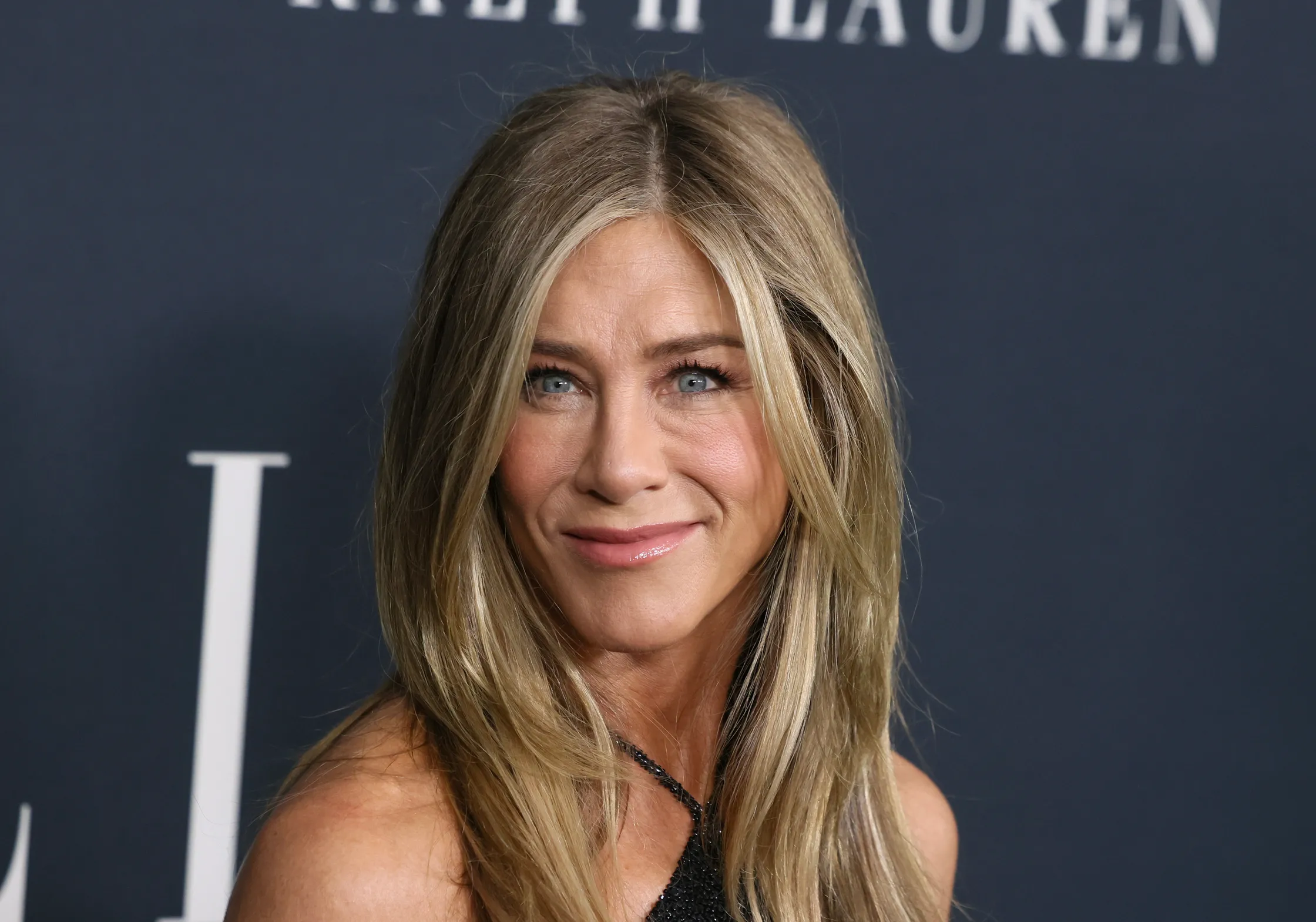
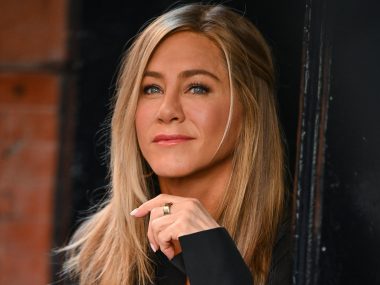
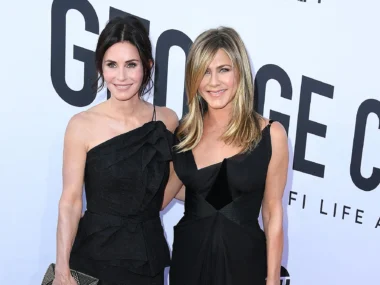
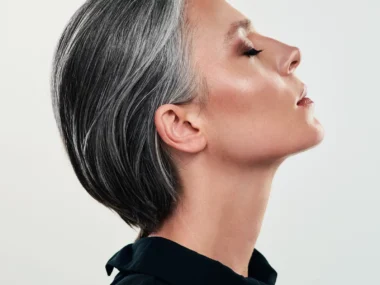
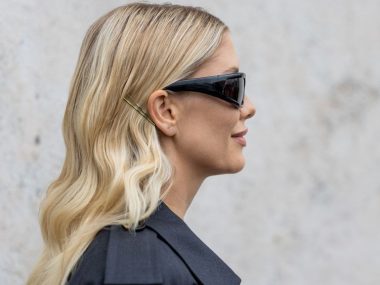
“The quiet-silver hair trend is an age-positive take on graying, which actress Jennifer Aniston has recently been embracing,” says Annabelle Taurua, an expert at beauty and wellness booking platform Fresha. “By blending subtle grays with low-contrast regrowth and soft greige tones, the trend delivers a healthier, low-maintenance finish that keeps the hair looking effortlessly refined.”
If you’re looking to add more dimension to your hair (or you’re sick of battling those harsh root lines), keep reading.
How do I achieve quiet-silver hair?
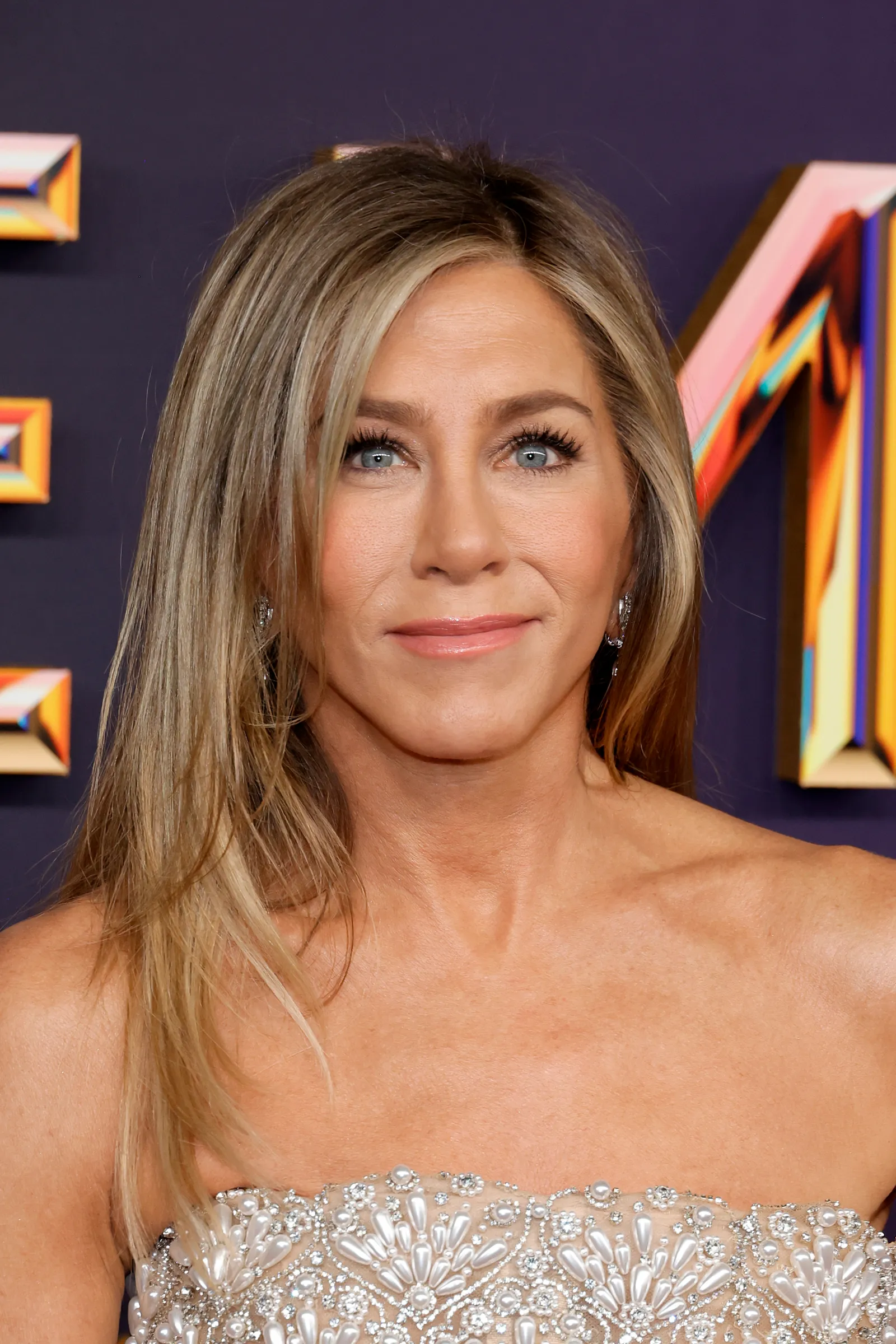
The key to achieving the quiet-silver look is to blend and tone gray streaks highlights, lowlights, and a complimentary base color. The result is rich and dimensional rather than single-toned, which not only helps to diffuse gray streaks but also adds depth and movement to your whole head.
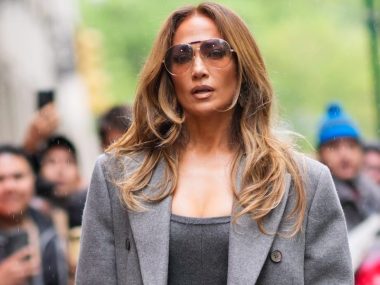
To start, “most people benefit from adding cool-toned highlights or lowlights to blur the line between existing color and new growth, which creates a softer, more intentional transition,” says Sean Michael, stylist and owner of Salon Beau in Andover, Massachusetts. It may sound counter-intuitive, but strategically adding more gray to the body of your hair can soften contrast and make gray roots less noticeable. “I would recommend getting strategic highlights and lowlights to diffuse and break up the hard gray line of demarcation that you so often see,” says Jackie Seabrooke, hair artist at Kristen Ess hair care maker.
“This isn’t too different from the freehand hair-coloring techniques used for balayage and lived-in blonde hair treatments,” Taurua notes. Quiet-silver hair can also be achieved using the trending color-melting technique, which involves hand-painting sections to create a seamless blend of tones.
Which base colors does quiet silver work best with?
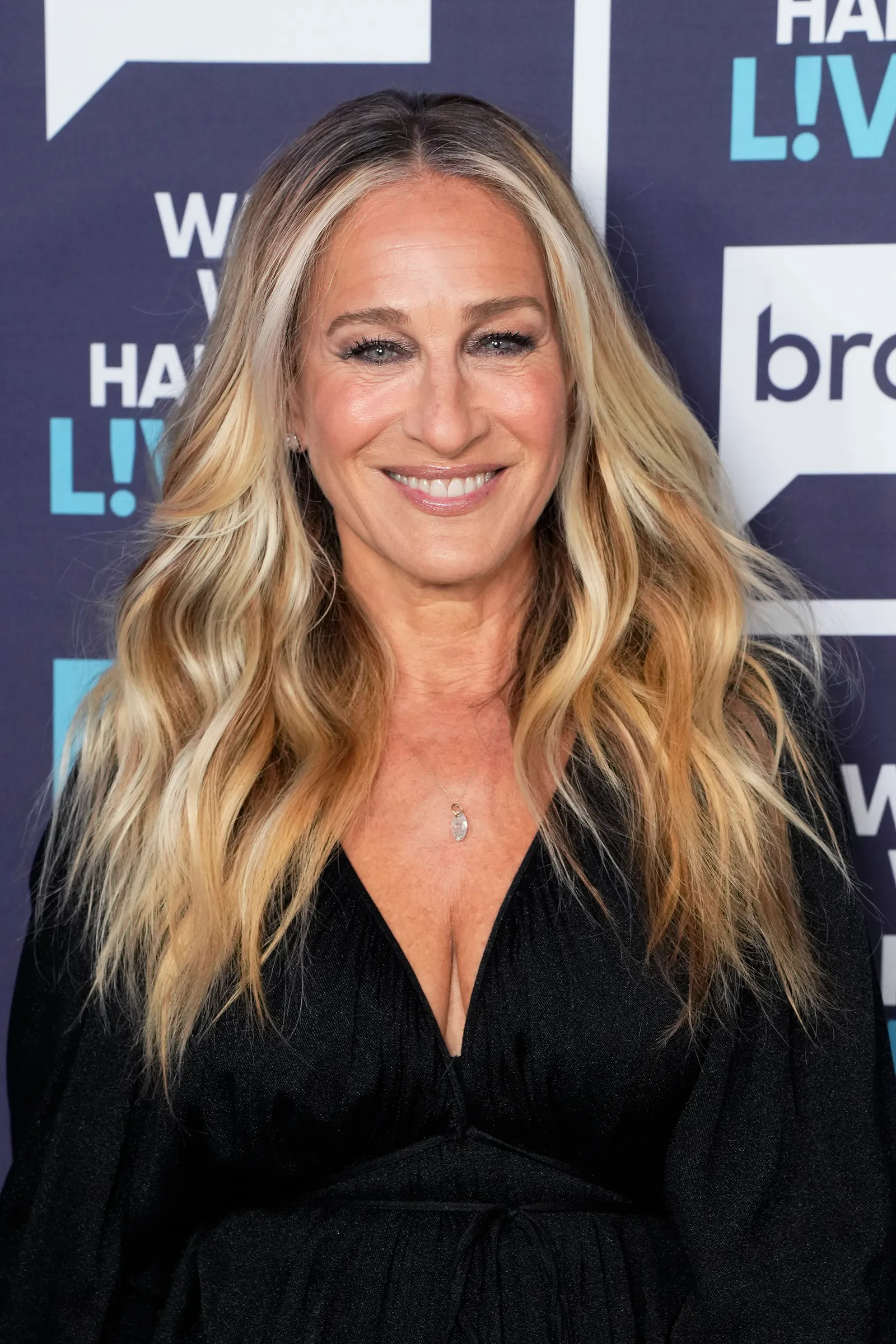
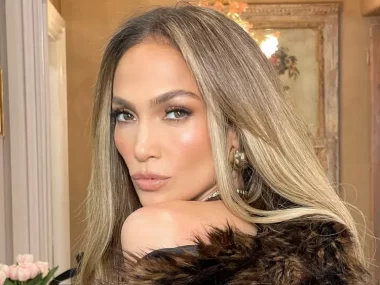
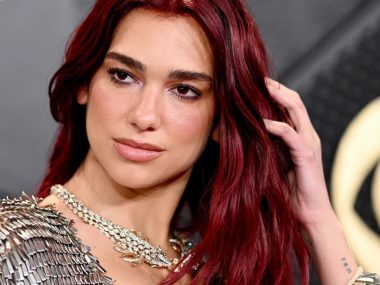
“The transition to quiet silver works best when the hair is already lighter on the color spectrum, as this allows for a softer contrast between the natural gray growth and new hair,” Taurua says. Light to medium blondes are likely to have an easier transition, but she says that cool, muted tones such as ash brown, mushroom, and even certain shades of red can blend effectively with gray tones.
That said, dark brunettes can also embrace the quiet-silver look by incorporating charcoal tones and playing with streaky contrast. “If you are someone with really dark hair, you can also lighten your overall base color to have a more blended grow-out.” Seabrooke says.

What is the upkeep for quiet-silver hair?
The beauty of embracing quiet silver over full-on color-correction is that your grow-out will appear much more natural. Rather than fighting your organic growth by dyeing all of your hair a different shade, this technique blends and elevates your natural color. That usually means less frequent salon trips, especially as your gray roots grow out into diffused streaks.
Still, as with any professional color treatment, some upkeep is required. “It depends on your hair color, but salon visits for toning and root management are probably needed every four to eight weeks,” Taurua says. “For those with lower-contrast styles, you might be able to stretch this a little further, especially with good maintenance.”
How do I maintain quiet-silver hair at home?
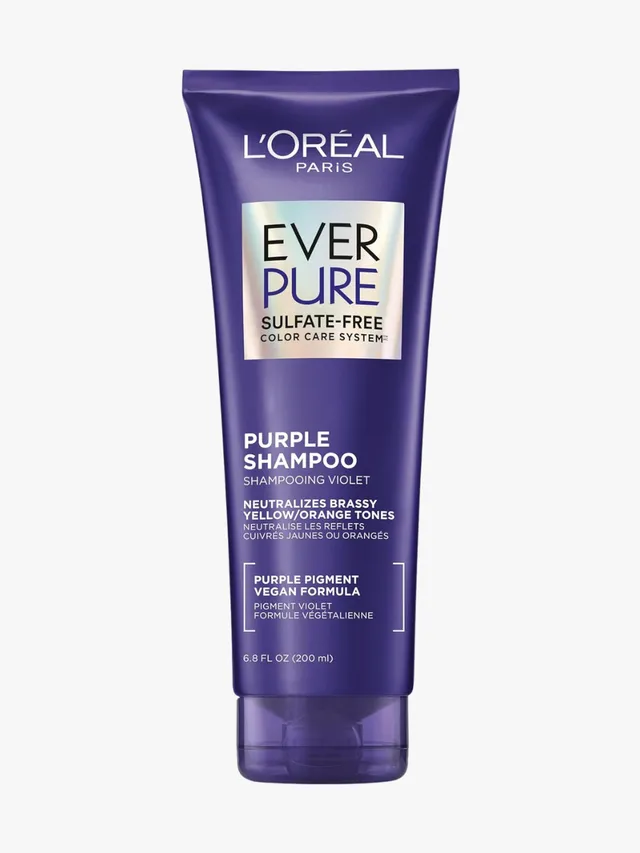
Tonal balance is key to achieving a quiet-silver look, so plan to take extra measures at home to keep your colors fresh. Purple shampoos and conditioners are especially helpful for maintaining cool-toned gray hair and highlights, especially if you’re blending them with blonde. Just don’t plan on using them with every wash: “The key is not to overdo it; only use once a week or mix it with your regular shampoo to avoid dulling the shine,” Michael says.
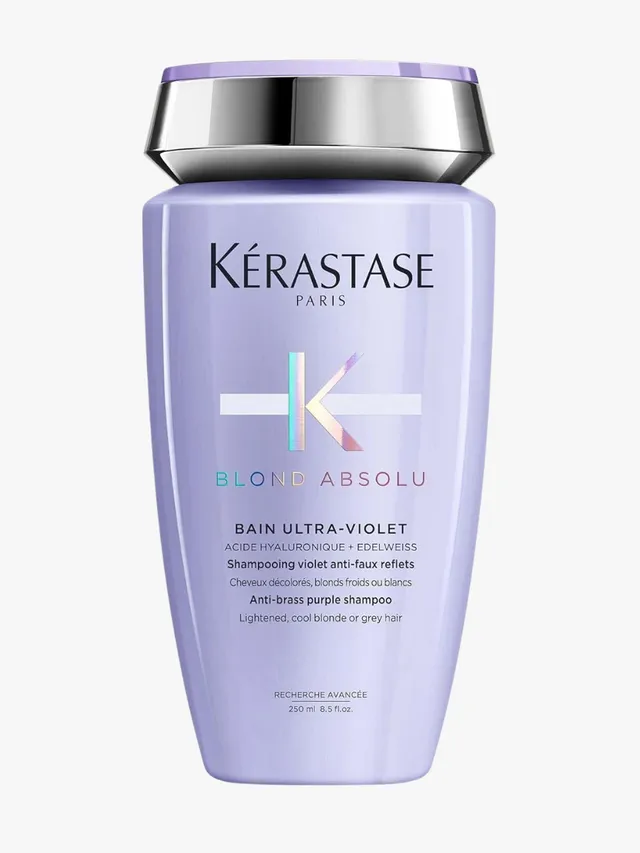
A little at-home upkeep will go a long way toward preserving your subtle-meets-sleek quiet silver. With the right balance, you’ll find a transitional shade chic enough to keep forever.














































































 Amandine Lhoste
 Calin Van Paris
 Alexis Parker
 Marie Courtois