 Kelly Ho
|
Neubauer Artists LLC
Getting your Trinity Audio player ready...
|
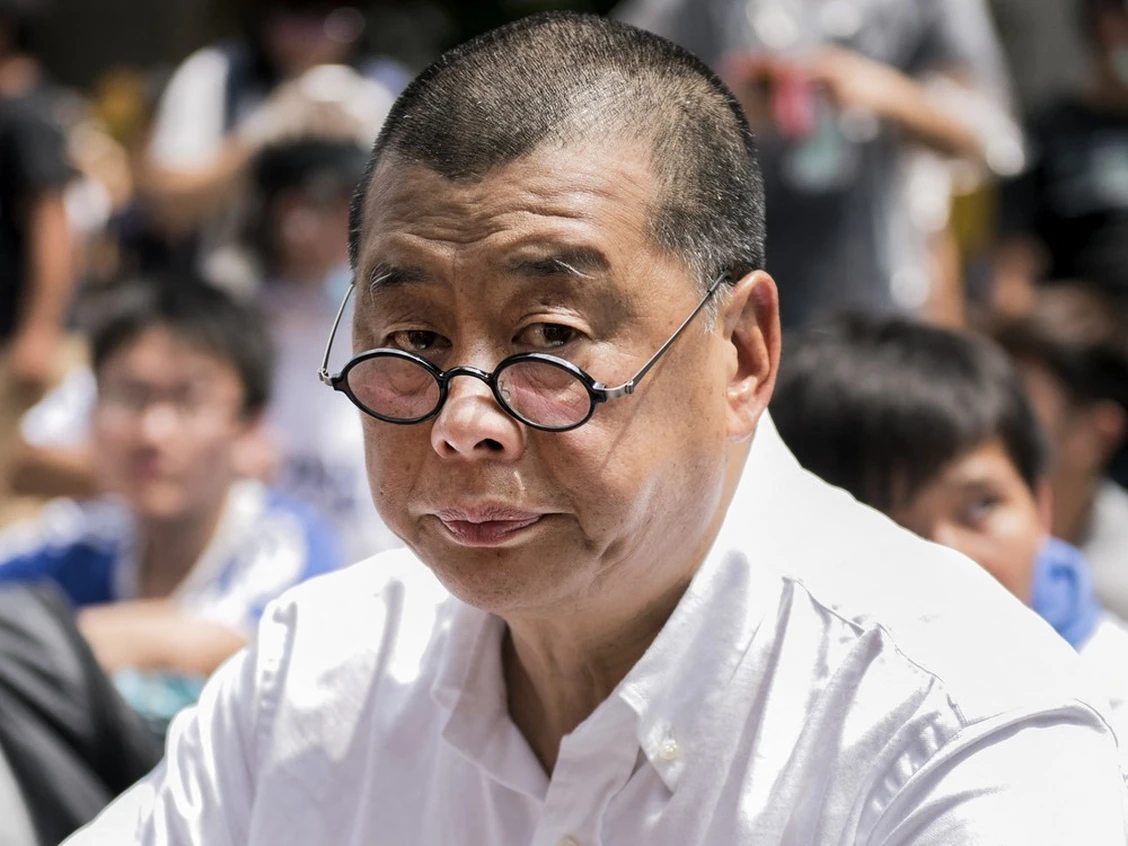
A Hong Kong court sentenced former media mogul Jimmy Lai to 20 years in prison, handing the pro-democracy advocate the heaviest penalty ever meted out under a Beijing-imposed national security law.
Three judges hand-picked by the government on Monday ordered the 78-year-old to effectively spend the rest of his life behind bars for two counts of conspiring to collude with foreign forces and a separate sedition conviction.
“Lai was no doubt the mastermind of all three conspiracies charged and therefore he warrants a heavier sentence,” the judges said in a statement explaining the decision.
The punishment well surpasses the 10-year term given to activist Benny Tai and may draw further comparison between Lai and late Nobel Peace Prize laureate Liu Xiaobo, who was sentenced to 11 years on subversion charges over his calls for democratic reforms in China. Liu died from cancer in a Chinese hospital shortly after being granted medical parole in 2017.
“At the risk of stating the obvious, this is effectively a life sentence,” said Thomas Kellogg, the executive director of the Georgetown Center for Asian Law. “Barring an effective intervention by the US or the UK, Jimmy will spend the rest of his life in prison.”
The landmark case has prompted intense international scrutiny as a symbol of Beijing’s crackdown on dissent in the once-freewheeling Chinese territory. The decision will test Western governments’ willingness to press for the British citizen’s release even as they seek to stabilize relations with China.
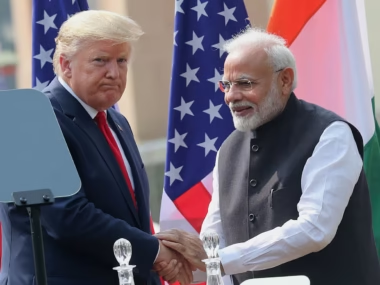
US President Donald Trump previously appealed for Lai’s release to Chinese leader Xi Jinping and is expected to visit Beijing in April as the two economies seek to maintain a fragile trade truce. Trump’s ambassador to China, David Perdue, characterized the issue as an “ongoing conversation” between the two leaders in an interview with Bloomberg Television last month.
British Prime Minister Keir Starmer advocated for Lai during his landmark trip to Beijing in January. While seeking a calculated reset in ties to hedge against an unpredictable Washington, Starmer said he had a “respectful” discussion regarding Lai’s imprisonment in the former British colony.
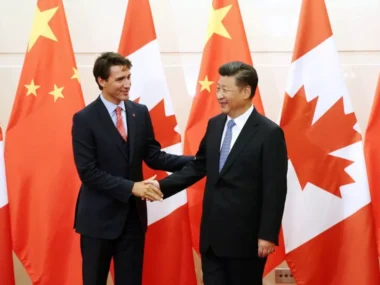
Other foreign governments have also called for Lai’s release, condemning his prosecution as politically motivated. They include Canada, whose prime minister Mark Carney made a fence-mending trip to Beijing last month and heralded a “new strategic partnership” with China.
Lai’s children have been lobbying for their father’s freedom. His son, Sebastien, called the sentence “draconian” and an injustice.
“After more than five years of relentlessly persecuting my father, it is time for China to do the right thing and release him before it is too late,” Sebastien said in a statement. Lai’s daughter, Claire, said he will “die a martyr behind bars” if the penalty is carried out.
Officials in Beijing and Hong Kong have long decried any attempts to interfere in the case and insisted that Lai was given a fair trial.
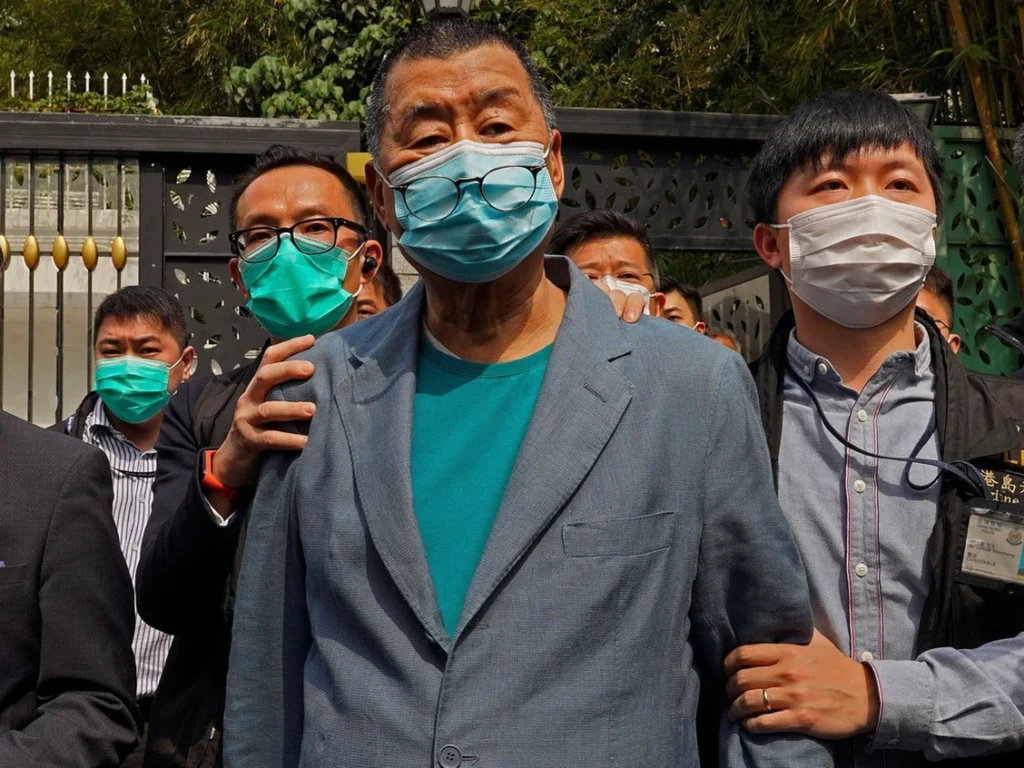
Lai, founder of the now-defunct Apple Daily newspaper, was convicted in December after a marathon trial that started in 2023 and spanned over 150 days. Judges portrayed him as the leader of a campaign to lobby foreign powers to impose sanctions on Hong Kong and China, with a goal to seek the “downfall” of the ruling Communist Party. Lai denied all charges.
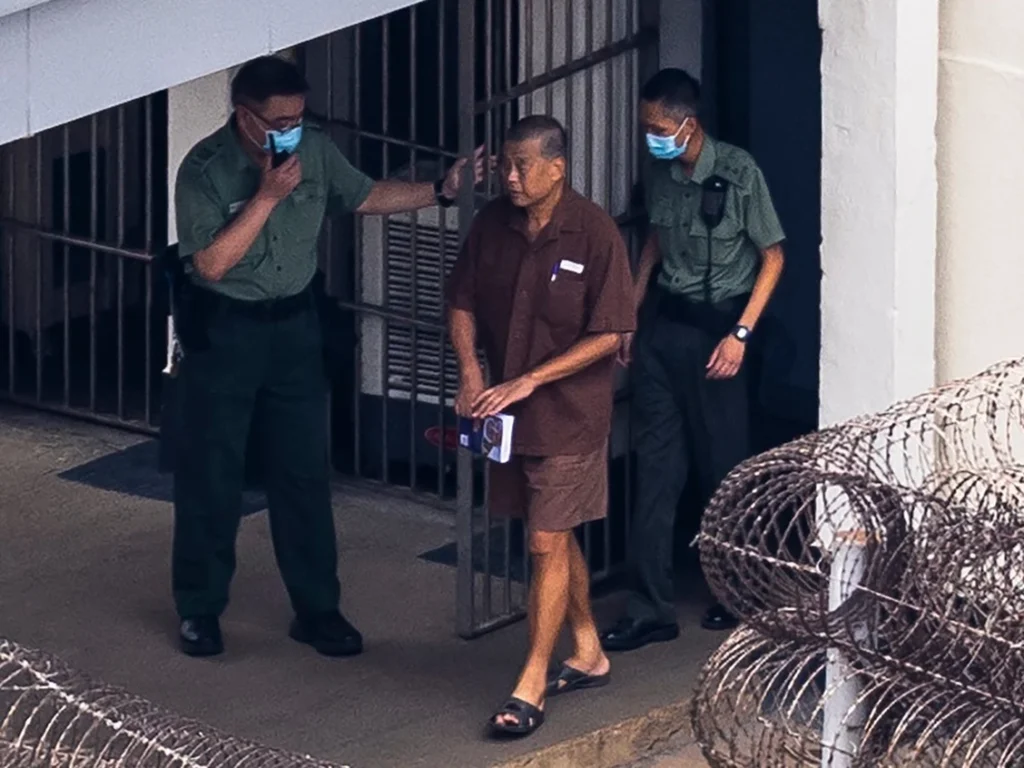
Defense lawyers had urged leniency, citing Lai’s advanced age and deteriorating health. The self-made tycoon has spent five years in detention, mostly in solitary confinement, since his arrest in 2020, after Beijing imposed the National Security Law to curb dissent in response to massive street protests.
The judges acknowledged Lai would have a more burdensome life in prison than other inmates and gave him a one year reduction for each of the two national security sentences, while noting that his conditions are not life-threatening.
Lai arrived in Hong Kong as a 12-year-old stowaway from mainland China and made his fortune in textiles. After founding the Apple Daily in 1995, he became a prominent supporter of the city’s pro-democracy movement and a fierce critic of Beijing. His newspaper routinely backed protests demanding greater public participation in elections.
The septuagenarian’s appearance in court drew large queues outside the court in western Kowloon on Monday morning.
“Mr. Lai is a symbol. He represents Hong Kong’s pursuit of freedom,” said CK Chan, 67, a supporter who had lined up outside the building since Thursday evening. “I hope he takes good care of his health.”













































































 Joy Montgomery
 Calin Van Paris
 Alexis Parker
 Marie Courtois