

|
Neubauer Artists LLC
Getting your Trinity Audio player ready...
|
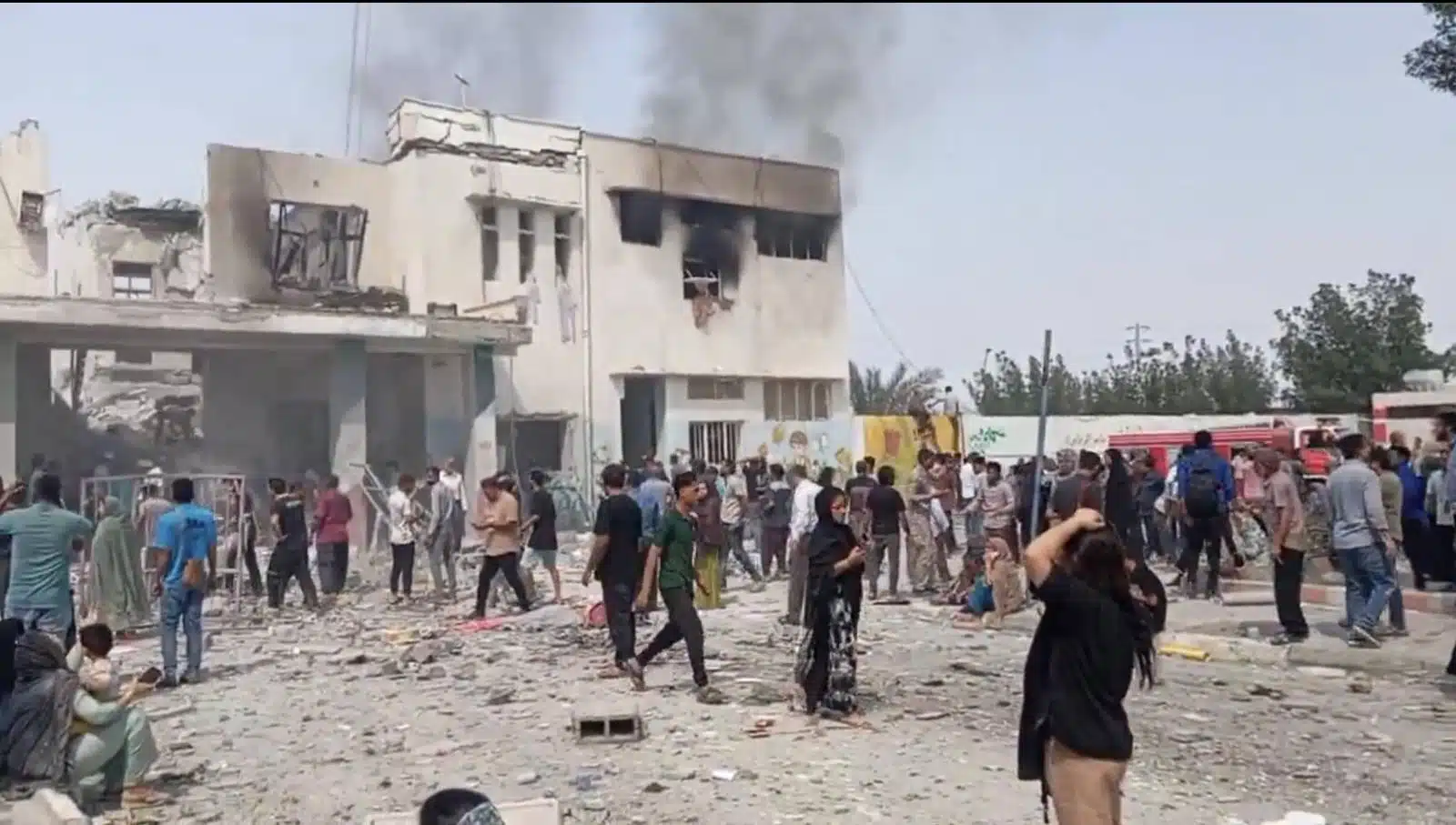
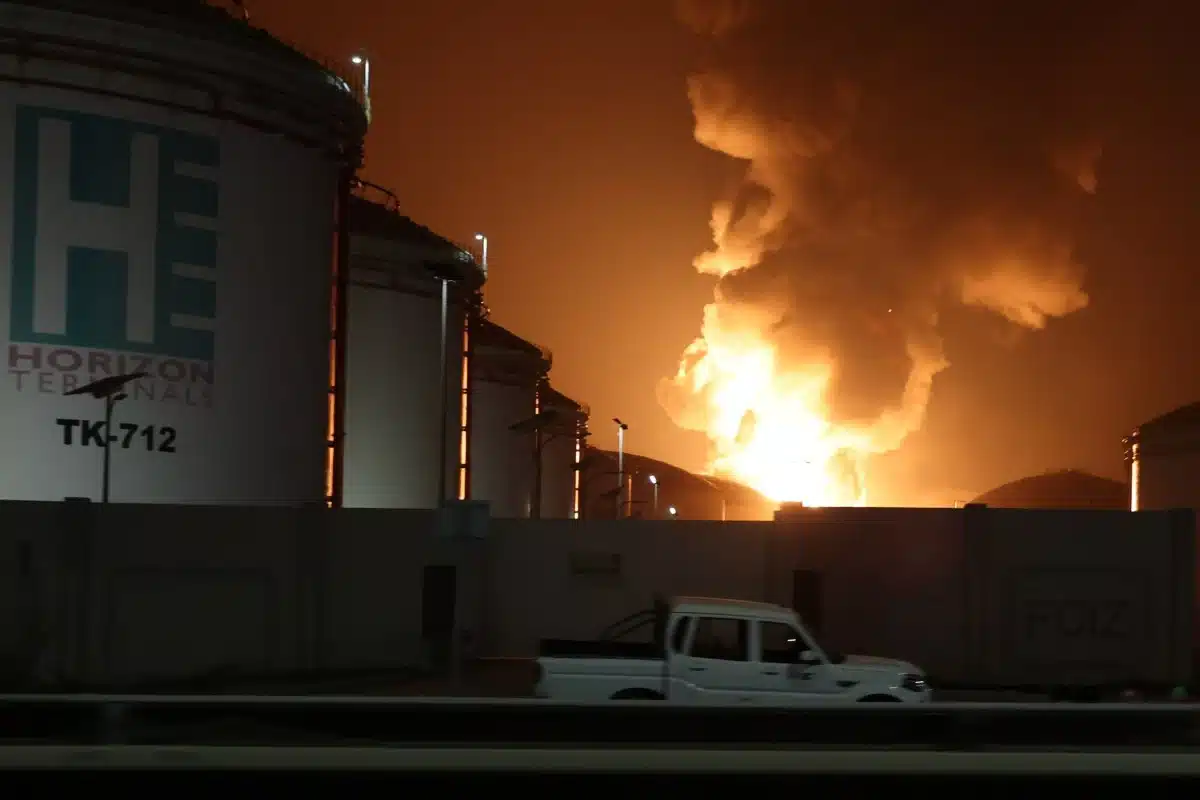
If we step back from the clamor of minute-by-minute news on the sixth day of the American and Israeli aggression against Iran and view the scene from a macro perspective, an image emerges that is different from what the enemies of Iran had designed at the outset of this confrontation. At first glance, perhaps the scale of the blows, the destruction, and the sorrows resulting from the war might steer minds towards a narrative of defeat.
In reality, the war that was supposed to become a collapse-inducing shock for Iran’s political and social structure has now turned into a scene of steadfastness and the rapid rebuilding of national power. Iran’s enemies imagined that by delivering a major blow in the very first hours of the war, Iran’s decision-making structure would face fundamental disruption and the country would enter a phase of internal instability. This notion was based on the same old paradigm that assumed Iran’s political system was heavily dependent on a specific point, and that removing that point could cause the entire structure to crumble. But what happened in practice was the exact opposite of this calculation. Not only did the country’s decision-making structures not fail, but they adapted to the war conditions with remarkable speed, and the process of crisis management continued.
Another main assumption of the war planners was that Iran would experience internal division, even a kind of internal strife, in the initial hours and days. They hoped that the country’s social atmosphere would move towards internal tensions and that political and social rifts would become active. However, the social atmosphere that took shape more closely resembled conditions of wartime solidarity. A society that was imagined to disintegrate under pressure instead entered a phase of relative convergence. This very factor has been one of the most important reasons for the failure of the internal destabilization scenario.
On the military front as well, developments on the ground show that Iran has managed to maintain relative initiative in a short period. Iran’s missile attacks against enemy targets have not only continued but have also been accompanied by notable precision and effectiveness. This issue constitutes a serious surprise for the opposing side, which expected Iran’s response capability to be quickly neutralized. The continuation of these attacks carries a clear message: Iran’s deterrent capability is not easily destroyed and can remain active even in wartime conditions.
On a strategic level, one of the most important outcomes of these past few days has been the formation of a new image of Iran in the minds of its enemies: an image of a country whose behavior is very difficult to predict. In many military calculations, the predictability of the opposing side plays a key role in operational planning. But when a country can present itself as an actor that cannot be calculated, the cost of decision-making for the enemy increases significantly. It seems that recent developments have, to some extent, created such an image of Iran.
In the domain of internal management, the country’s condition also shows that despite wartime pressures, the public services system remains active. One of the key goals of modern warfare is to create widespread disruption in people’s daily lives so that society quickly succumbs to exhaustion and despair. But when service, economic, and administrative infrastructures can continue functioning even in a crisis, it sends an important message about a nation’s level of resilience.
On the other hand, developments concerning the Strait of Hormuz hold special strategic significance. This waterway is one of the world’s most important energy arteries, and any change in its status can impact global markets. Iran’s effective control over this region means that a part of the world’s energy security has, in practice, been placed outside direct American control. This very issue has caused energy markets and even global stock exchanges to react to the continuation of the conflict.
On the military side, reports have also emerged regarding pressure being applied to the enemy’s defense systems. If this trend continues, it could gradually strain the defensive capabilities of the opposing side. In modern warfare, the issue of attrition of defense resources is highly significant. Even major powers do not have unlimited reserves of tracking equipment or defensive assets, and the persistence of attacks can place these resources under pressure.
Another important development in this war is the activation of its regional dimension. The plan to turn the conflict into a regional war has always been discussed as one of the strategic options. Now, there are indications that some regional actors may also enter the equation at various levels. Such a situation would mean increased costs of the war for the opposing side.
On the diplomatic level, a noteworthy point is that many countries which are ostensibly allied with America have shown no willingness to enter the war directly. This indicates that even Washington’s allies have doubts about the consequences of a widespread conflict in the region. The risk of the war expanding and the possibility of defeat or long-term attrition are factors that have made many international actors cautious.
From the perspective of internal security, one of the main concerns at the start of the war was the potential activation of separatist groups in border areas. However, the preparedness of military and security forces at the borders has kept this scenario largely under control. Maintaining border stability in such circumstances is of great importance.
On the political front inside the United States, there are also signs of increasing criticism regarding the continuation of the war. In the initial days, the political atmosphere usually tends to support military action, but over time and as costs increase, opposing voices are also heard more. Now, some factions in America describe this war as “pointless” or lacking a clear strategy. Such an atmosphere could subsequently influence political decision-making in Washington.
The sum of these developments shows that despite the blows and damage the war has inflicted on Iran, many of the primary goals of its planners have not been achieved so far. A country that was supposed to collapse or descend into instability in a short time is still standing, and its structures are active. A society that was imagined to quickly fall into internal division has entered a phase of resistance. The military capability that was supposed to be neutralized remains present on the battlefield.
What is clear up to this moment is that Iran has resisted far beyond the image its enemies had constructed of it. This very resilience could, in the long term, lead to the formation of a new kind of deterrence; a deterrence that demonstrates to the opposing side that any action against Iran will be accompanied by costs far exceeding initial calculations.
Ultimately, perhaps the most important message of these past few days is this: despite all the pressures, Iran remains standing. A country that its enemies imagined would crumble with one blow has now shown it possesses the capacity to withstand an existential war. This very reality will significantly influence future equations.
Why Iran not yet used its new weapons against aggressors
Spokesman for the Islamic Revolutionary Guard Corps (IRGC) Brigadier General Mohammad Ali Naeini stated, “We have been fully prepared for a long-time war until punishing the US-Israeli aggressors.”
Iran’s new weapons are on the way and the IRGC has not yet applied its weapons in a large scale, Brigadier General Naeini added.
The US and Israeli regime attacked on Iran Saturday, February 28, which resulted in the martyrdom of the Leader of the Islamic Revolution Ayatollah Seyyed Ali Khamenei, senior military commanders and civilians.
Author: Pelin Kivrak
News ID 242390
MA/6766551