





|
Neubauer Artists LLC
Getting your Trinity Audio player ready...
|
Although we wear them every day, we often have no idea what materials our underwear is made of and what social exploitation we support with our purchases.
We and the producers feel the consequences. The textile industry is one of the world’s biggest climate offenders: according to an EU report, the sector is responsible for ten percent of global CO2 emissions – more than international air travel and shipping combined. Opaque supply chains, inhumane working conditions, and low wages characterize the daily lives of the people who toil to produce our clothes.
Heavily Stressed Underwear
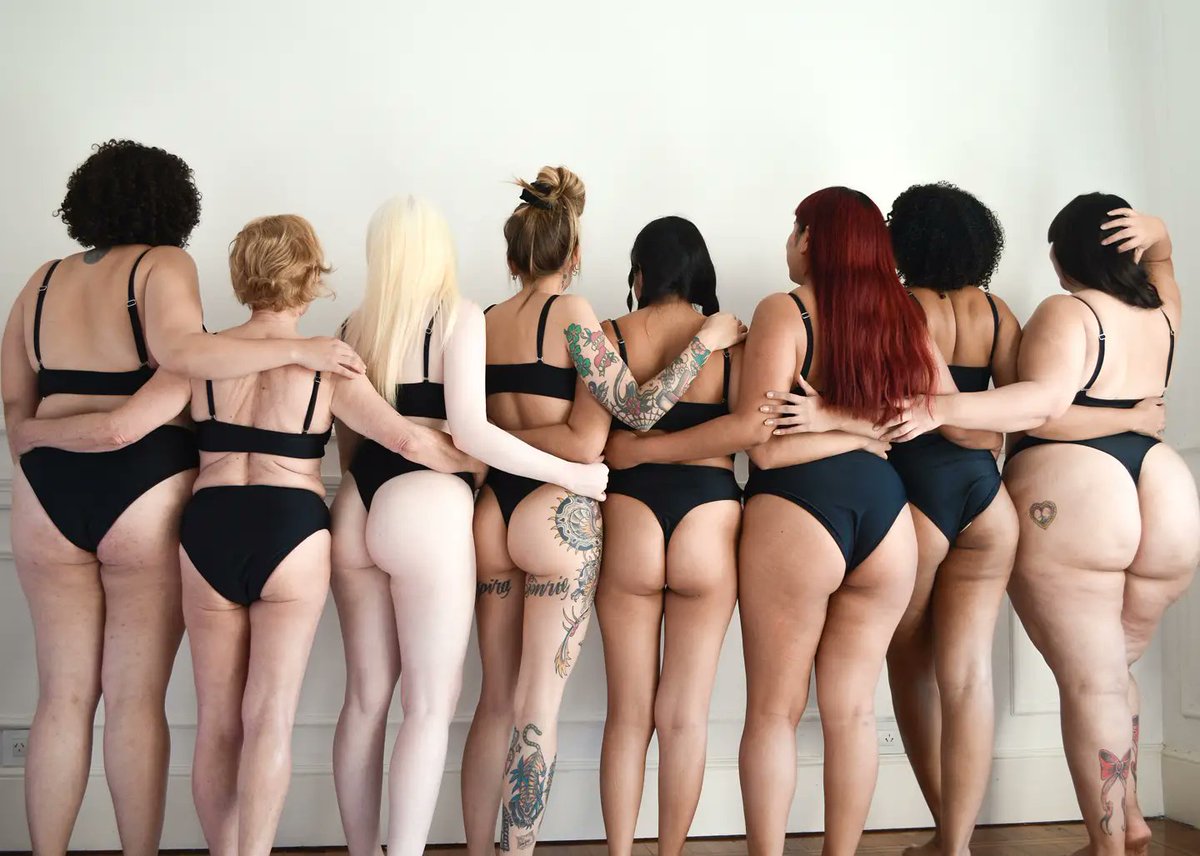
The situation is far from rosy from a materials perspective as well. According to Greenpeace, cotton production accounts for 10 percent of the world’s pesticides and 25 percent of all insecticides. These not only have a negative impact on our bodies but also on the environment – especially the growing regions. Unfortunately, dangerous dyes and plasticizers are also far too often found in conventional underwear. For example, the Austrian Association for Consumer Information (VKI) conducted a test in September 2024, examining 71 pairs of underwear for adults and children made from a wide variety of materials. The results were alarming. 26 of the tested products were contaminated with bisphenol A (BPA), and seven products were even strongly discouraged from purchase. Interestingly, women’s underwear is generally more contaminated than men’s. BPA is considered particularly harmful to health because it can impair fertility and even increase the risk of hormone-dependent cancers such as breast cancer.
Breathable and Sustainable Materials

Therefore, it’s important to pay close attention to the label when buying underwear. Breathable materials such as bamboo, viscose, lyocell, merino wool, or organic cotton are recommended, ideally from sustainable and environmentally friendly production. Tight thongs and G-strings should also be avoided in everyday life. They don’t leave enough room for the vulva, preventing natural vaginal fluid from flowing freely. This can promote infections.
LovJoi
Since 2014, the German label has been striving to make the fashion world more sustainable and ethical. In addition to outerwear, they also offer underwear – from classic to playful styles. Production takes place in Europe and Turkey. Besides resource-conserving and vegan materials, they also focus on fair wages and short supply chains. www.lovjoi.com