









|
Neubauer Artists LLC
Getting your Trinity Audio player ready...
|
Which ingredients really help against wrinkles and loss of neck skin firmness
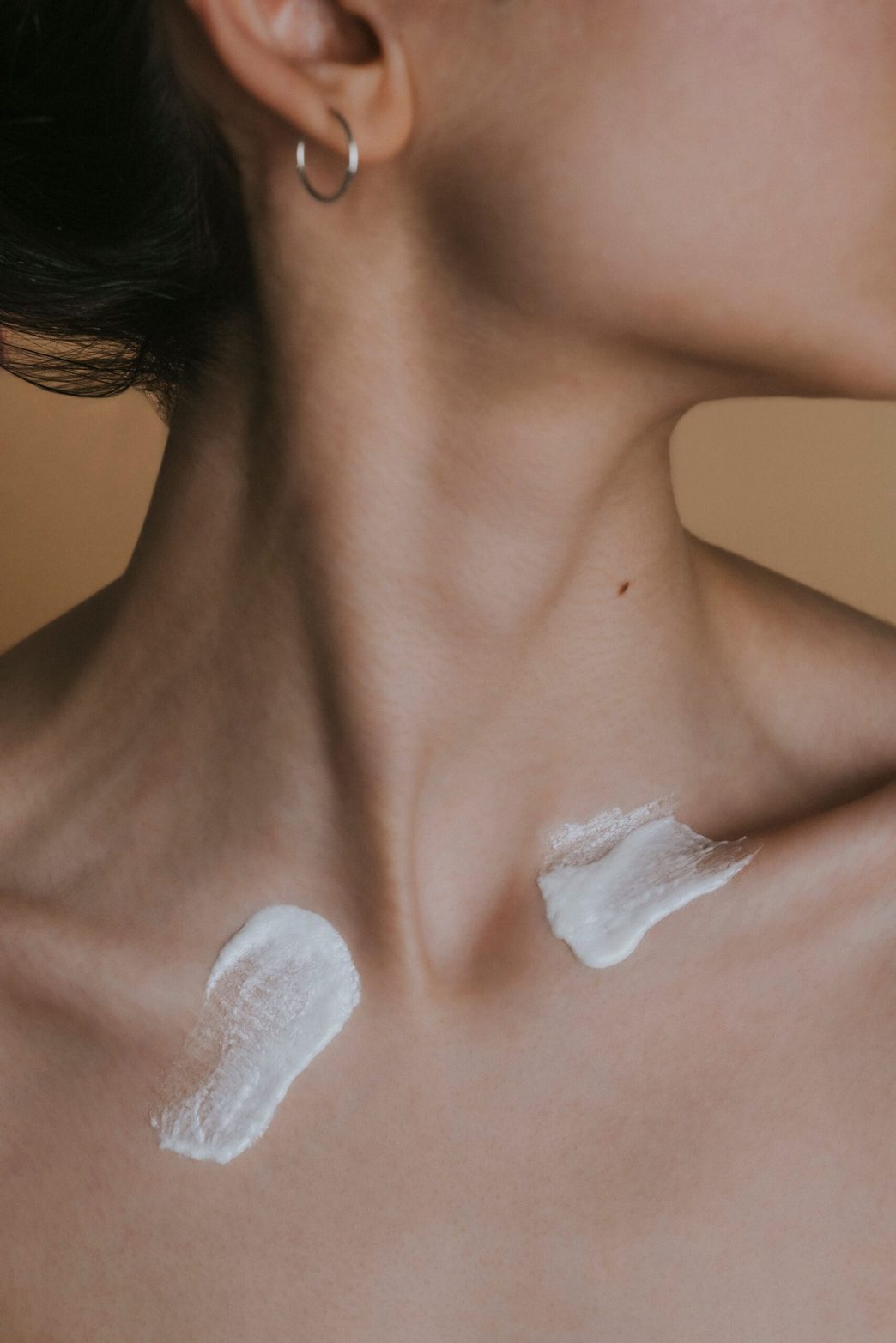
We can have a perfectly worked out face routine – serum, moisturizer, SPF, the occasional retinol – and then completely forget about the neck. Until one day in the mirror we notice horizontal lines, fine wrinkles and skin that is no longer so firm.
It is no coincidence that the neck is often the first to show its age. The skin on it is thinner than the skin of the face, has fewer sebaceous glands and is therefore more prone to drying out. At the same time, the production of collagen and elastin naturally decreases with age, so the skin becomes thinner, less elastic and more prone to sagging.
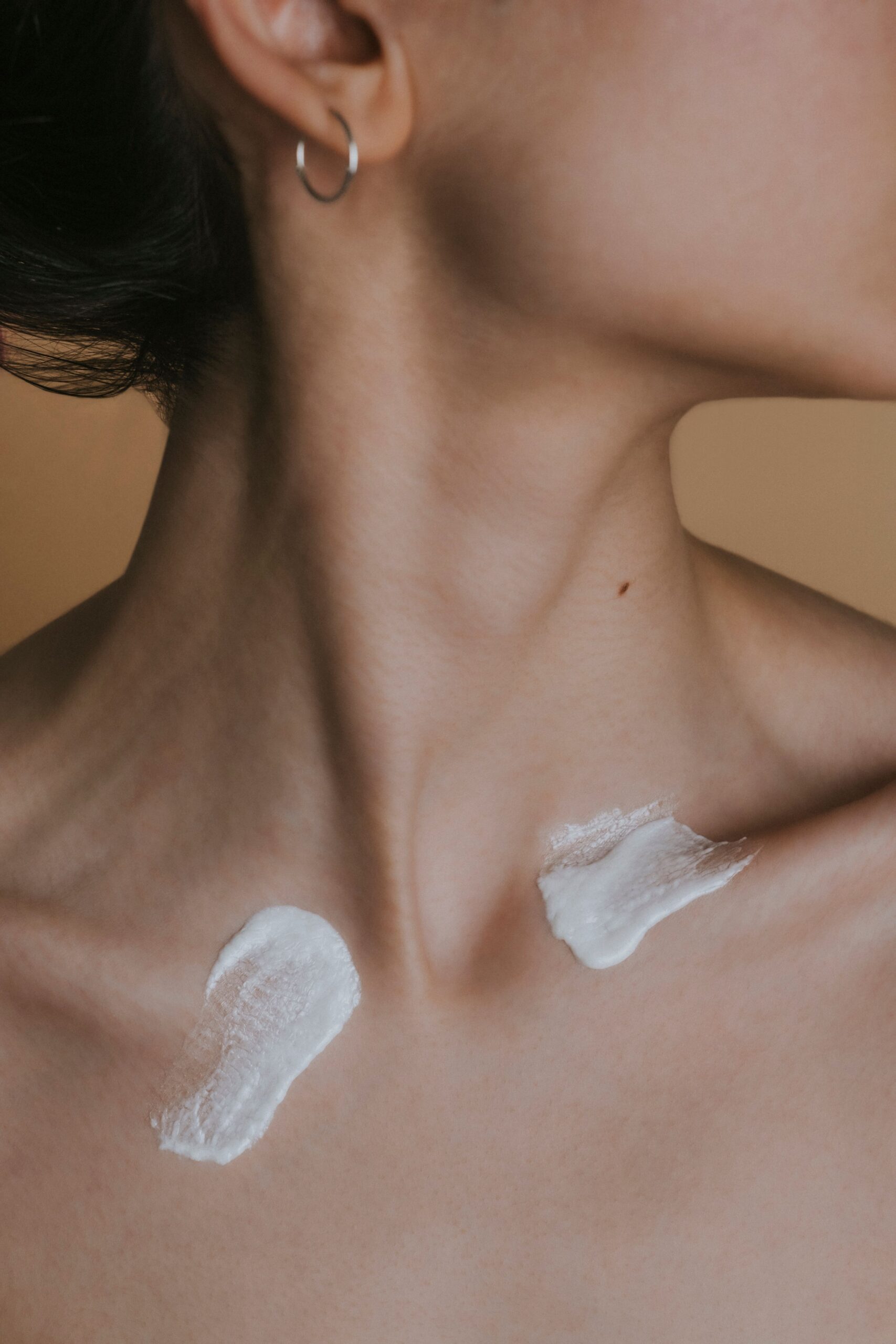
There is also the sun. The neck is exposed to UV radiation almost every day, but we often skip it when applying SPF. The consequences are not immediately visible, but accumulate over the years: UV rays damage collagen and accelerate photoaging.
Horizontal lines on the neck are not, however, something that only occurs with age. They are partly a natural anatomical feature, but as the skin loses firmness, they become deeper and more visible. The modern way of life can additionally contribute to their expression – especially constantly looking down at the phone, which is why “tech neck” has become part of the modern beauty vocabulary.

What does the skin of the neck really need?
The good news is that you don’t have to buy a whole new collection of products just for your neck. It is much more important to pay attention to the active ingredients.
Retinol is among the most interesting choices if fine lines, texture, and loss of firmness are an issue. As a derivative of vitamin A, it stimulates skin renewal processes and collagen formation. However, the neck is more sensitive than the face, so retinol should be introduced gradually, in a lower concentration and with good hydration.
Peptides are another useful addition to an anti-aging routine. You shouldn’t expect a lifting effect, but they can be part of a care that aims to make the skin look firmer and smoother in the long term.
Niacinamide and ceramides have a different but equally important role. They help preserve the skin barrier, retain moisture and reduce sensitivity. This is especially important for the neck, which is prone to dryness and can react more violently to active ingredients.
Hyaluronic acid and glycerin are useful for additional hydration , which help the skin retain moisture and can therefore appear fuller and smoother.
There are also antioxidants , primarily vitamin C, which can help protect the skin from oxidative stress and support the processes associated with the creation of collagen.
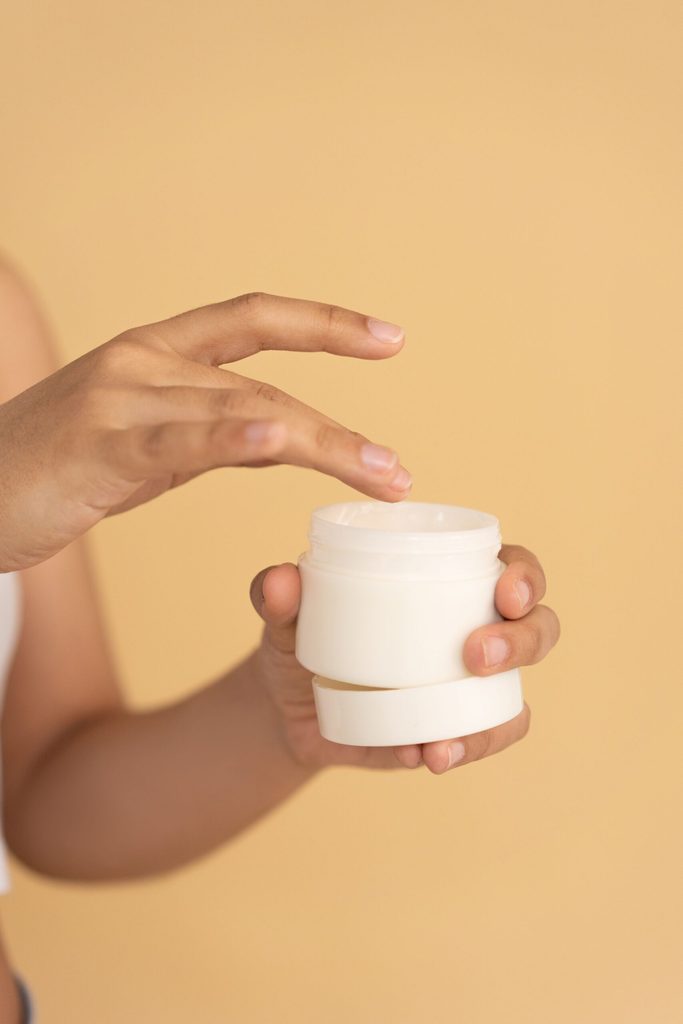
But one ingredient is more important than all the others
If there’s one step you shouldn’t skip, it’s broad-spectrum SPF 30 or higher .
And not only on the face. Neck and décolletage should be part of the same morning routine. Regular protection from UVA and UVB radiation is one of the most important ways to slow down photoaging and preserve collagen.
A simple routine can therefore look like this: in the morning, hydration, optional antioxidant such as vitamin C, and then SPF. In the evening, gentle cleansing, hydration and, if the skin tolerates it well, retinol. Peptides, niacinamide and ceramides can be added according to the needs of the skin.
The most important thing is that the active ingredients are not introduced all at once. The neck is not the place for aggressive experimentation – gradual introduction and consistency produce better results than a crowded routine.
No overnight miracles
No cream will do a neck lift. But good care can improve hydration, texture and the appearance of fine lines and help skin retain its firmness for longer.
And perhaps the most important thing is that we finally stop treating the neck as a forgotten part of the routine.
He doesn’t need ten products. It needs a few of the right ingredients, daily sun protection and – what often falls the hardest in the beauty world – a little patience.