


|
Neubauer Artists LLC
Getting your Trinity Audio player ready...
|
Over 4,500 films to evaluate, psychological dramas among the juries, controversies even before the opening ceremony. But the director of the Venice Film Festival has broad shoulders. And a rule that (almost) always works.
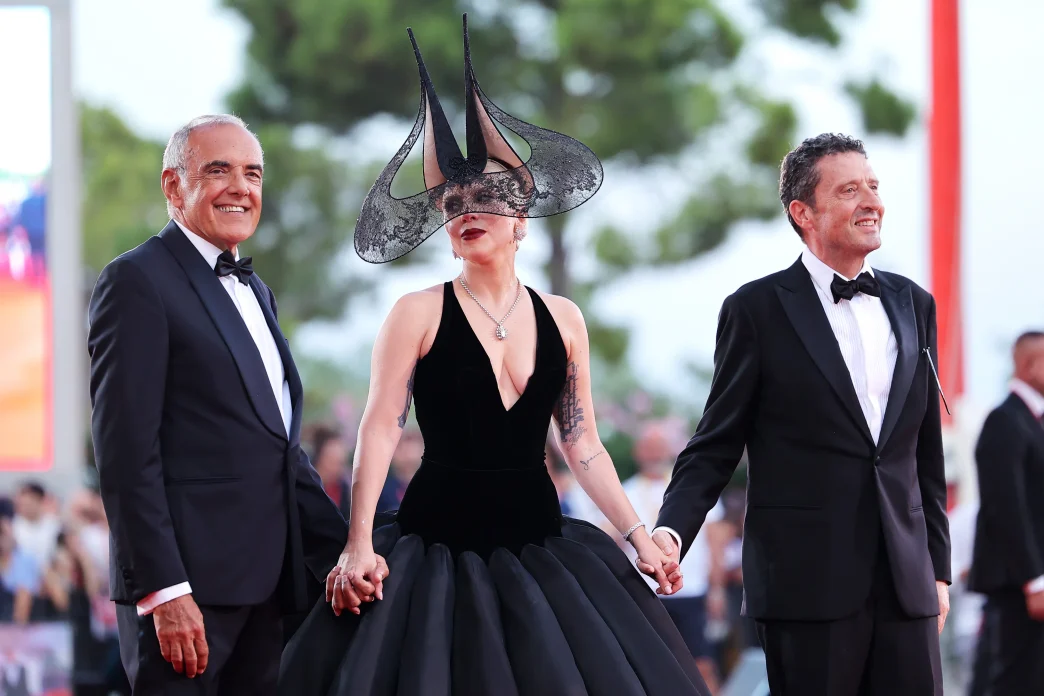
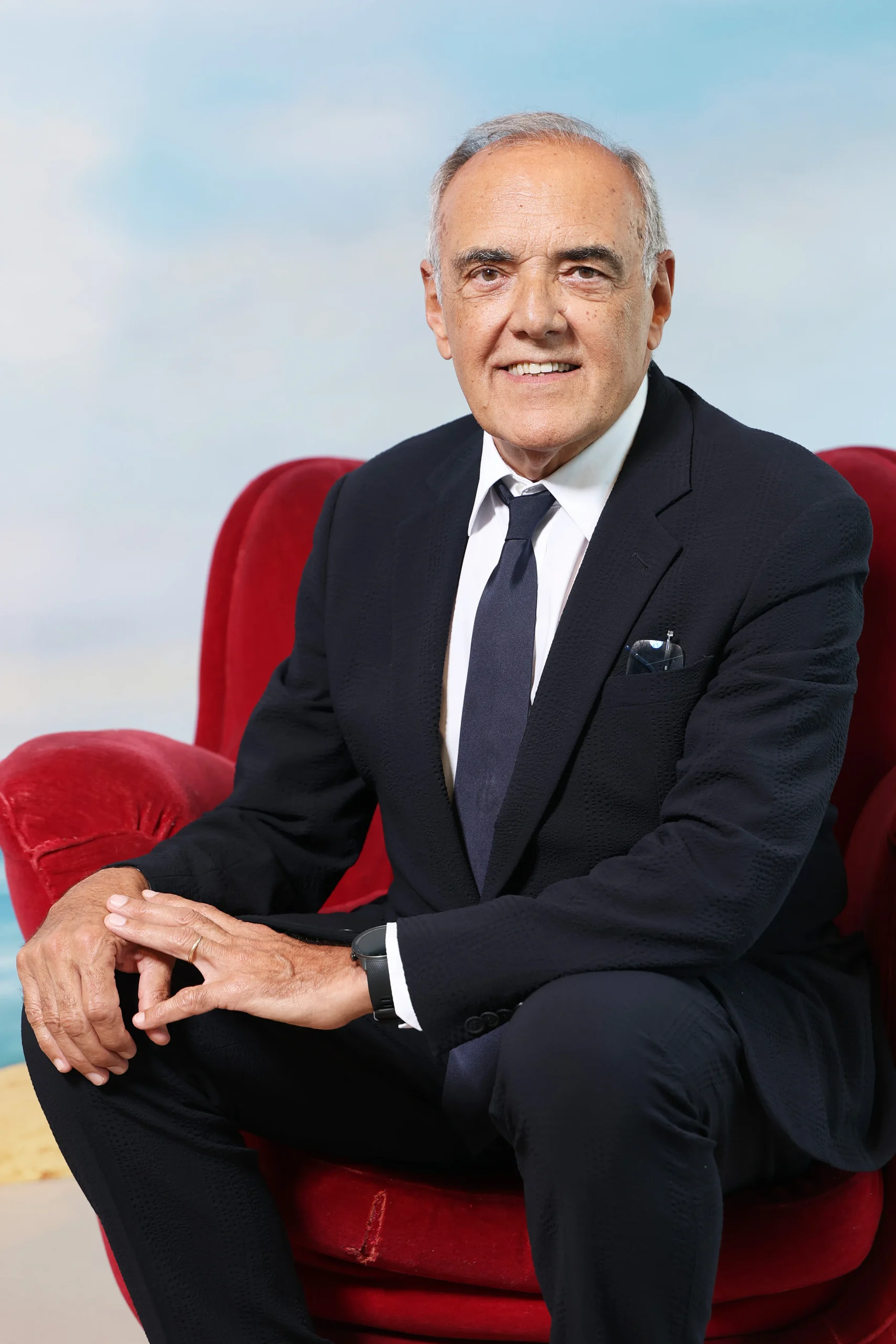
Alberto Barbera is in his office at the Lido. He moved in in May, when he learned of his contract being renewed as director of the Venice Film Festival for two more editions.
After eighteen years in this position, fourteen of them consecutive, he has a thick skin, but that does not prevent him from having some concerns; he sports the tired but satisfied smile of someone who has achieved another feat, even as the level of difficulty increases, and the festival has to deal with the crisis in the studios and the growing number of films to select.
“We’ve gone from 4,200 films in 2025 to 4,550 today, and we have the same amount of time. It’s an immense amount, you understand? A real nightmare!” he jokes, or perhaps not. “I don’t have time to do anything else. Just imagine, I haven’t even seen
The Odyssey yet .”
George V Magazine: Is it a good thing that so many films are submitted for consideration?
Alberto Barbera: Most of them are disappointing. After all, anyone can submit their film; all you have to do is pay a very small entry fee. And far too many people forget to ask themselves if their film is up to scratch. As a result, we’re forced to watch films that my team and I would gladly do without.
Do you watch them until the end?
Today, twenty minutes is enough to know if it’s worth continuing.
Daniel Pennac theorized the inalienable right not to finish a book. You claim the right to interrupt a screening.
We have no choice. Otherwise, it would take us three years to watch all the films we receive. Sometimes, we continue despite our doubts or in the hope that the film will improve. But that’s not always the case.
However, this twenty-minute rule has sometimes misled you: Oliver Laxe’s Sirat didn’t truly get going until after half an hour. You stopped before then, and the film went to Cannes, where it won the Jury Prize.
It’s true. We all make mistakes every day; that’s the harsh reality. Because of the lack of time, the pressure to respond quickly so as not to prevent a film from being entered in other festivals… But there’s one mistake I now try to avoid.
Which one?
Letting myself be influenced by my immediate reaction. When a film is magnificent, it’s easy. But when it deviates from the narrative and aesthetic standards we’re used to, I suspend judgment and ask the members of the selection committee to do the same. These projects need to mature within you for a few days, to work in your subconscious.
Let’s return to the controversies, starting with the absence of Hollywood films.
Hollywood was also absent from Cannes, and this influenced the judgment of the entire festival, which many described as minor and unconvincing, when in fact it was of very high quality. I wouldn’t want to see the same thing happen in Venice.
After several years in which major American productions launched their Oscar campaigns at the Lido, how do you explain this decline?
The major studios are going through a very difficult period; that’s no secret. Under pressure from streaming platforms, the crisis in movie theaters, and the need to invent spectacular new models to attract audiences, American productions have made decisions in recent years for which they are now paying the price.
They are producing less, at extremely high costs; a few films are doing very well and making money, but debts are mounting. They are trying to plug the gaps with mergers, but their effects remain to be seen. Fox was bought by Disney; Paramount wants to acquire Warner; Universal is holding on, but is emerging from some difficult years. It’s striking to visit some studios today: you see half-empty parking lots, vast spaces used for small television projects. It’s a whole world that has disappeared and that must rethink its identity.
We were at least expecting the film Digger with Tom Cruise.
Warner Bros. prefers to release it directly in theaters so that the film’s plot twists aren’t revealed in advance.
And Dune 3?
It wasn’t ready, like several other films.
This year’s Venice Film Festival also saw a notable absence of female directors in competition.
True, but I haven’t heard anyone complain about the underrepresentation of women in the film industry as a whole. The problem only suddenly appears during film festivals, which are then blamed for everything.
You stated, “I think quotas are detrimental to the cause.”
If I select films that aren’t up to competition standards simply because they were directed by women, they’ll be torn to shreds by critics afterward. The only criterion that matters is quality.
So you also reject accusations of anti-feminist prejudice.
In recent years, Venice has awarded more films directed by women than any other European festival. Not to mention all the female jury presidents we’ve chosen.
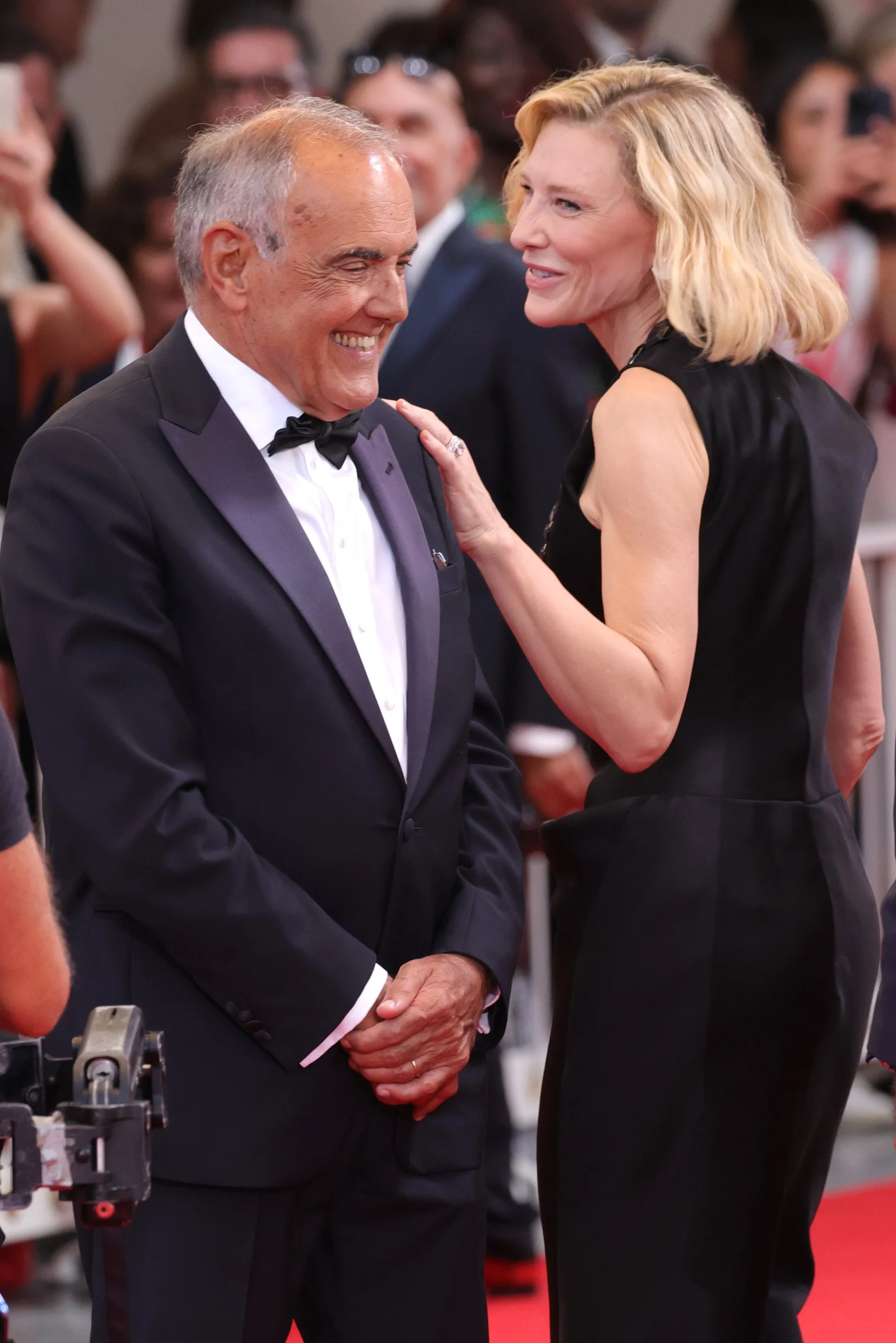
This year, the jury members are Maggie Gyllenhaal, Valérie Donzelli (Orizzonti section), and Carolina Cavalli (Opera Prima section).
It’s always necessary to find people you know at least a little, who strike you as balanced, open-minded, intelligent, curious, not closed off in their own world, and strong enough to manage up to nine strong personalities trying to impose their views, requiring diplomatic coaxing.
I attend all the final jury meetings and, each time, I anxiously endure those four or five hours of discussion: psychodramas, outbursts of anger, demands to add prizes, shouting, sometimes even tears. Some presidents have lost control of the situation.
Who do you think were the best jury presidents?
You have to wait many years, otherwise you give the impression of always choosing the same ones.
Film festivals today benefit from more media coverage than ever before.
This is a good thing: it is this media spotlight that guarantees the most important films will be released in theaters, especially since it also generates interest from producers, distributors, and filmmakers.
Do you feel the media pressure?
I feel it, but it doesn’t influence me. I never take into account the fact that the media expects the presence of a particular actress or actor: if the film isn’t worth it, I’m sorry, but there won’t be a red carpet for that actress or actor.
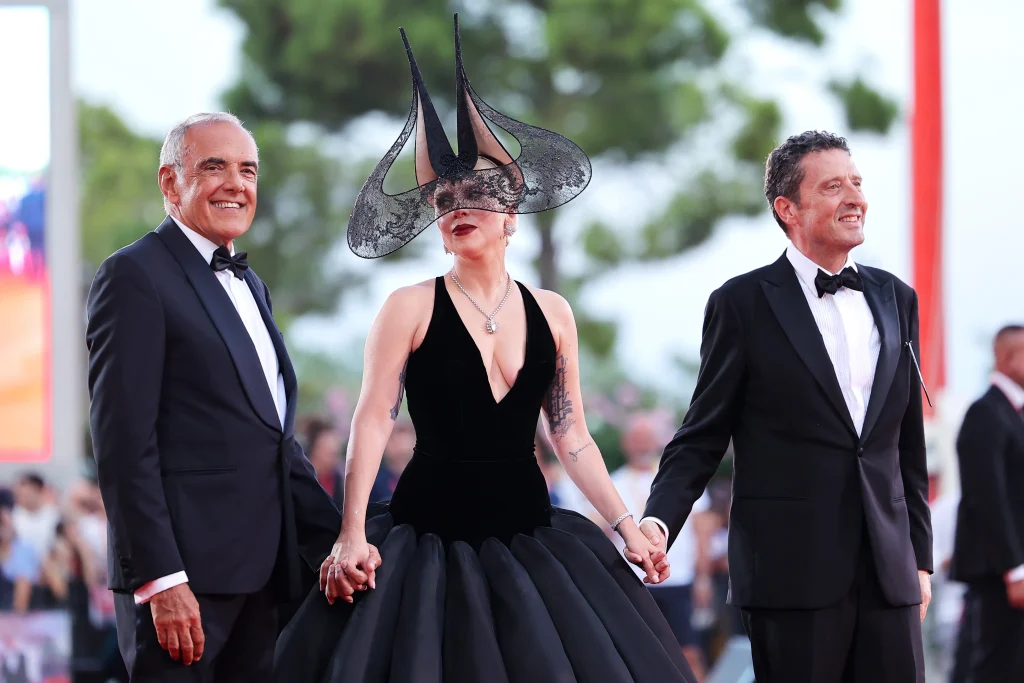
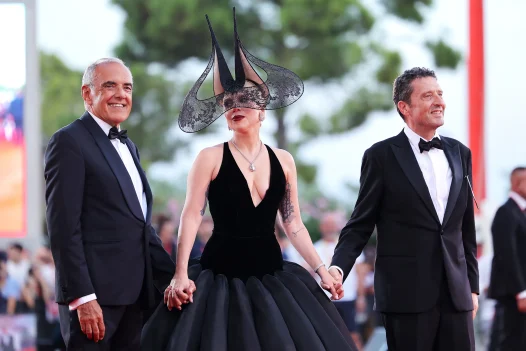
Alberto Barbera with Lady Gaga and Pietrangelo Buttafuoco, the president of the Venice Biennale, at the premiere of Joker: Folie à Deux , in 2024.
The length of standing ovations is often discussed with interest by the press.
Last year, Kaouther Ben Hania ‘s The Voice of Hind Rajab received a record 24 minutes of applause. It would have lasted even longer had it not been for the start of the following screening. This unexpected spark ignited the curiosity of everyone, both the media and the public.
Which films in the selection surprised you the most?
The first Italian film I saw and that was selected for the Venice Film Festival was Paolo Strippoli’s L’Estranea . He was present out of competition at the previous edition with La Vallée des sourires (The Valley of Smiles ), a film that was very popular, especially with young people, and which was sold abroad. His new feature film impressed me with its maturity: Paolo is thirty-three years old, this is his third film, and he demonstrates that he is now a true auteur. I was also surprised by several debut films presented in the other sections: I figli della scimmia (The Children of Scimmia) by Tommaso Landucci, Una storia (A Story) by Anna Foglietta, and Serpenti (Serpents) by Roberto De Paolis.
With Succederà questa notte , Nanni Moretti returns to the festival thirty-seven years after his last participation.
It was a wound that needed healing. This project is completely different from those to which Nanni Moretti has accustomed us: it is a love story full of life, dreams, and desires. The film possesses an intimate dimension and draws its inspiration from the grand classical melodrama. There are no references to current events or politics.
Francesco Carrozzini’s Be Brave is the first documentary in Venice Film Festival history entirely created using artificial intelligence.
Artificial intelligence intrigues me. And I must say I’m a little tired of most articles that simply demonize it or emphasize the risks. It’s here to stay, and no one can stop it. Everyone is already using it without saying so: it costs less than traditional special effects and often produces better results. Since it opens up incredible creative possibilities, let’s learn to master it.
What would have happened if the Biennale hadn’t renewed your contract?
I’m not one for planning a plan B. I never have. I tried teaching, then realized it wasn’t for me. After a year, I quit without considering what I would do next. I turned to film criticism for La Gazzetta del Popolo . When the newspaper closed, I found myself unemployed and unsure of what to do. My first term in Venice ended prematurely after only three years, and I had to start all over again. Even in the face of uncertainty, I’ve always remained optimistic about the future, and I’ve always managed to find a new path. I’ll find another one when my adventure on the Lido comes to an end. I can’t stop working: I have two very young children to feed, one four and a half years old, the other one and a half.
What do you do to find some peace and recharge your batteries?
I go to the spa at the Ausonia & Hungaria hotel for a Thai massage. After that, I feel reborn and ready to start all over again.