






|
Neubauer Artists LLC
Getting your Trinity Audio player ready...
|
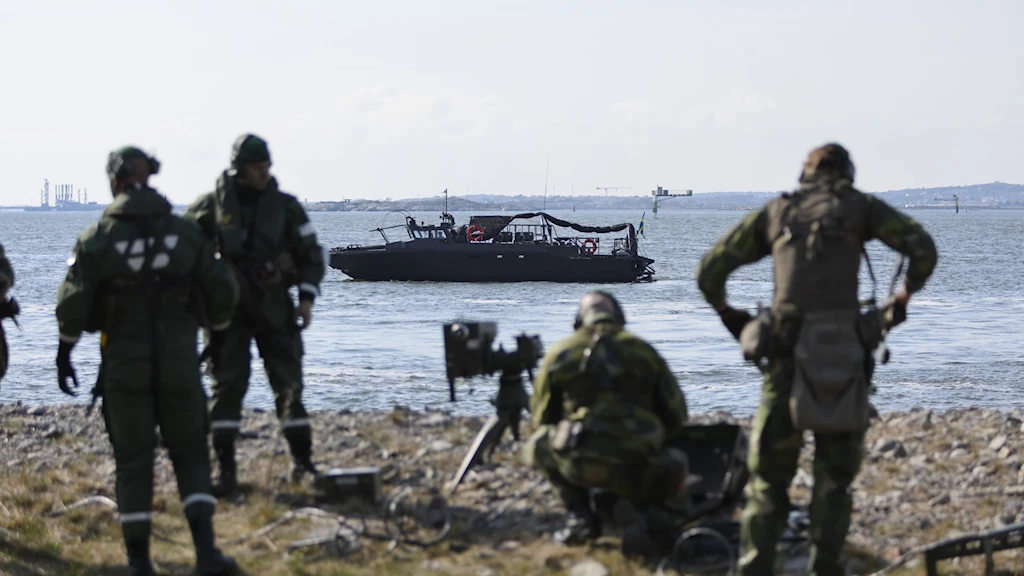
The U.S. Navy is considering procuring warships constructed in such allied countries as Japan and South Korea, multiple naval officials told Nikkei, in what would be a highly unusual move aimed at keeping pace with China’s blistering naval buildup.
“We are actively developing options to fulfill the president’s intent to deliver ships faster while ensuring long-term investment, technology transfer, and workforce expansion within United States shipyards,” a Navy official said.
Another Navy official acknowledged that the military lacks sufficient numbers of vessels and expressed an openness to procuring ships from Japan. “We might buy some Japanese frigates,” the official said. “They’re excellent.”
In August, the White House released a memorandum on rebuilding the country’s navy and shipbuilding industrial base, stipulating that foreign companies that build new shipyards in the U.S. or acquire existing U.S. shipyards can build the first two vessels in their home countries for delivery to the U.S.
A news outlet operated by the U.S. Naval Institute, a think tank, reported that frigates built in South Korea, Japan and Turkey are among the options under consideration. The Japanese candidate is said to be an upgraded version of Mitsubishi Heavy Industries’ Mogami-class frigate, currently operated by Japan’s Maritime Self-Defense Force.
The Mogami class has already found some export success after it was selected by the Royal Australian Navy as its next-generation frigate, beating competitors from South Korea, Germany and Spain. The design includes advanced automation technologies that enable operation with a relatively small crew. But whether it can satisfy U.S. requirements regarding local shipbuilding operations and rapid delivery schedules remains to be seen.
South Korea is widely viewed as a strong contender because its major shipbuilders have been actively investing in the U.S. This July, South Korean President Lee Jae Myung introduced South Korean shipbuilders to U.S. President Donald Trump at a meeting and said South Korea was ready to cooperate on building naval vessels. Turkey is also seen as a potential candidate, benefiting from strong leader-to-leader ties with the U.S.
The Trump administration has championed the revival of the U.S. shipbuilding industry. Its fiscal 2027 budget proposal allocated $66 billion for Navy shipbuilding programs, aiming to produce a total of 34 warships and support vessels. Until domestic shipbuilding capacity recovers, Washington is weighing overseas procurement.
The urgency is driven in part by China’s miliary buildup. The Chinese military nearly septupled its modern destroyers and frigates between 2001 and 2026, according to Japan’s Ministry of Defense. The country’s capabilities are rapidly closing on those of the U.S.
In total fleet size, the U.S. remains the world leader with 970 vessels, compared with China’s 700. But American naval forces are deployed globally. When looking only at the Asia-Pacific region, Chinese naval strength is becoming increasingly potent.
The U.S. lags far behind China in shipbuilding capacity. After the end of the Cold War, America’s domestic shipbuilding industry fell into decline, and in recent years it has produced only a handful of commercial ships annually.
China, meanwhile, has expanded its shipbuilding sector and now holds the world’s largest market share. As a result, the U.S. is increasingly looking to South Korea and Japan, the world’s second- and third-largest shipbuilding countries, to help meet its naval construction needs.