




|
Neubauer Artists LLC
Getting your Trinity Audio player ready...
|
Despair is the instrument of the oppressor. By making us believe that the end of the world is nigh, that all of humanity is inherently evil, and that the only path forward is that towards total (self)destruction, the oppressor only paralyzes us by taking away our will to struggle and to act. Despair and fear have always been obstacles in the fight towards progress, and at a critical stage in contemporary history, they have been instrumentalized to rob us of our will and belief for change. Despair almost certainly leads to surrender, and thus, to death, while hope regenerates the will to move forward and to continue struggling; thus, hope is an inherent characteristic of life. In the words of the activist Mariame Kaba and used particularly in the local and global context of today, hope is a discipline: it requires everyday practice, it requires a struggle to see a broader perspective, despite the threatening darkness around us.
Five films between crisis and hope
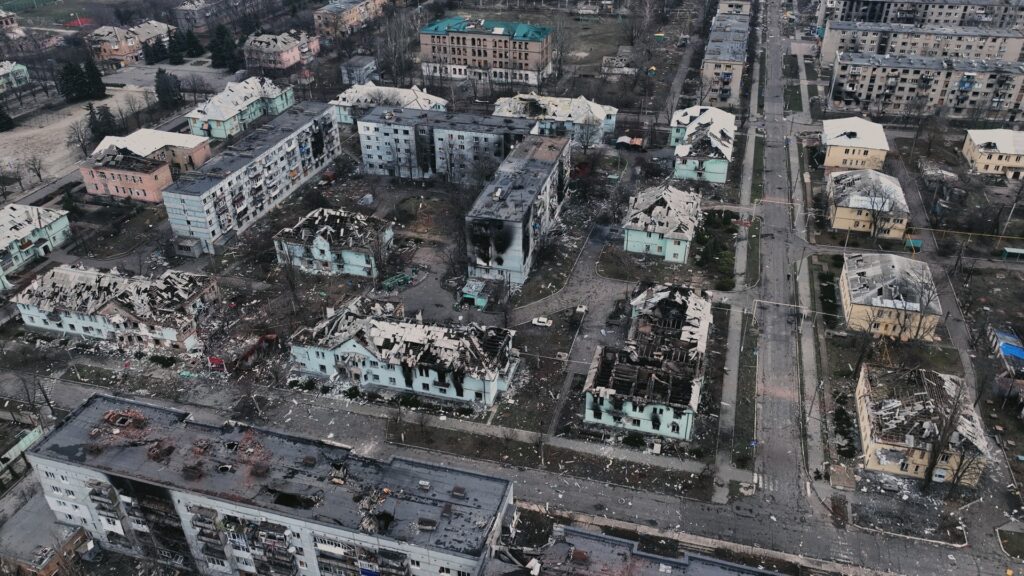
The Last Prometheus of Donbasby Ukrainian filmmaker Anton Shtuka offers hope through resilience. Its main protagonist is the power plant in Kurakhivska and its employees who refuse to succumb to the terror of the Russian attacks and leave the citizens without light and warmth. The heroes of the documentary are the workers who inspire with their courage despite the war raging around them. The film is narrated with kindness and empathy, offering another perspective of hope through providing a historical parallel about the former fate of the power plant during the Second World War.
Dear Tomorrow by Danish filmmaker Kaspar Astrud Shroeder offers a more personal perspective to the rising epidemic of loneliness present in Japan. The film follows the stories of two protagonists who paradoxically struggle to create connections in the vibrant and bustling city of Tokyo. In a culture that sees endurance and silence as strength, asking for help can be seen as a weakness. Still, we see how cooperation through social initiatives help people tackle their darkest personal problems. The storytelling of the documentary is tender, almost literary.

Better Go Mad in the Wild (Miro Remo, Slovakia) is a bizarre and beautiful film about extraordinary identical twins living on the margins of society in the mountains, told through the perspective of a cow. Though rigid society might question the sanity of the twins as well as their way of life, through warmth and humor the film offers a hopeful perspective as it examines their lifestyles and their past stories. Albeit quirky and funny, the film exhibits a poetic tone of sadness and is perfect for those who like stories that explore the connections between the comic and tragic.

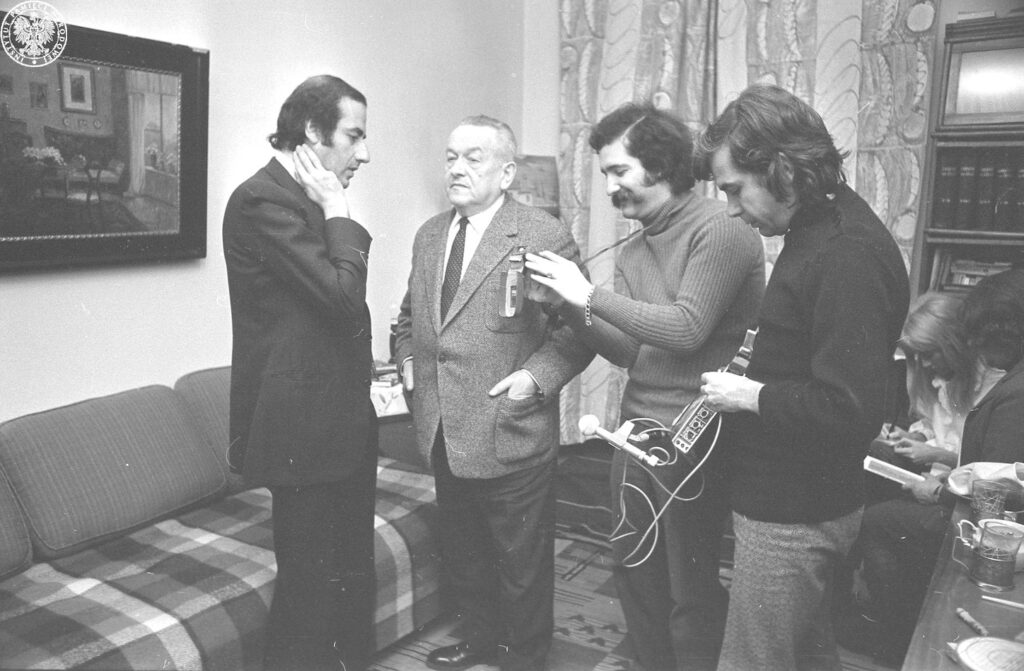
The Big Chief (Tomasz Wolski, Poland) is an engaging spy story from the Second World War. It follows the life of the Soviet spy Leopold Trepper, a Polish Jew and hero of the anti-Nazi resistance. A collage of footage from French filmmakers whose material was confiscated in Poland after Trepper was placed under house arrest during a wave of socialist antisemitism in Poland in the 1970s, this is a carefully crafted, moving documentary about a profoundly enigmatic and resilient figure that can provide a historical perspective to tackle contemporary tactics of fascism, showing us how to deal with history when it repeats itself in new form.
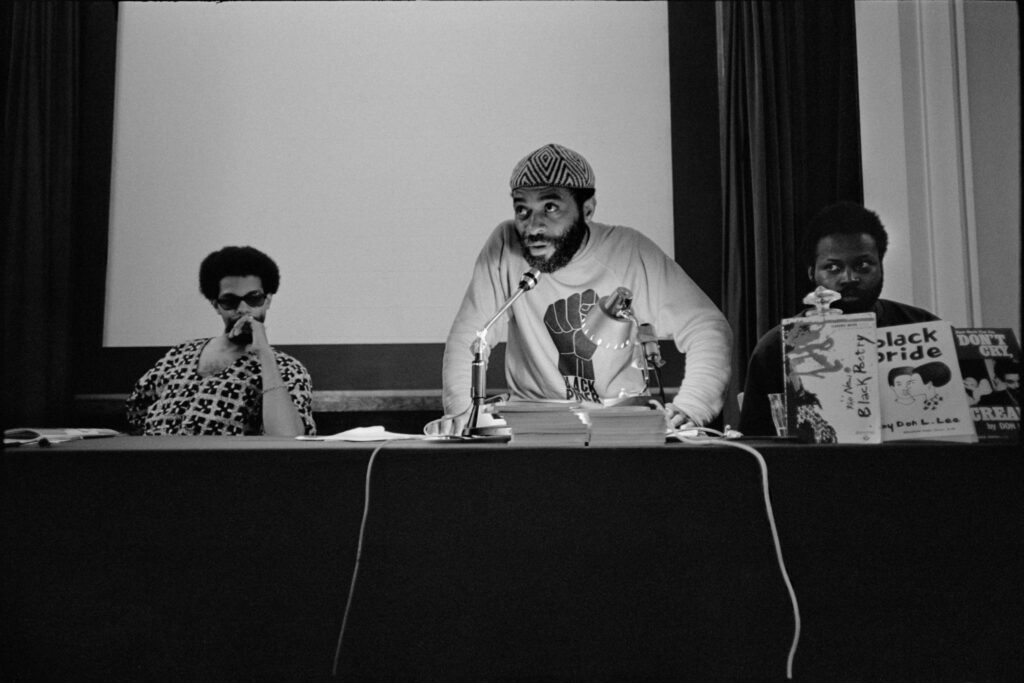
Michele Stephenson’s True North (Canada/USA) offers a comprehensive historical perspective that can help in understanding and dealing with contemporary injustices. This film is about the student racial protests of 1969 in Montreal, but traces back the story as far back as Haiti, recounting how the students now speaking in the documentary — as older individuals — had to flee the regime there, with Canada presenting itself as a promised land in view of the climate of racism in the United States. In its core a story about student protests, this film carefully unravels the complex racial history that culminates with the protest.