

|
Neubauer Artists LLC
Getting your Trinity Audio player ready...
|
- California’s hydrogen initiative has failed; the number of hydrogen vehicles is declining and filling stations are closing.
- The LA Times reports that 95% of hydrogen is still produced using natural gas, which is impacting profitability.
- New registrations of hydrogen-powered cars in Germany are declining dramatically, while battery-powered cars are gaining in popularity.
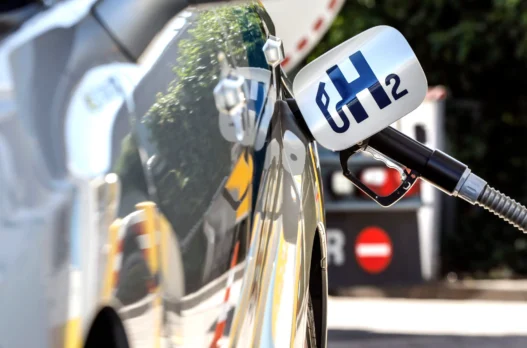
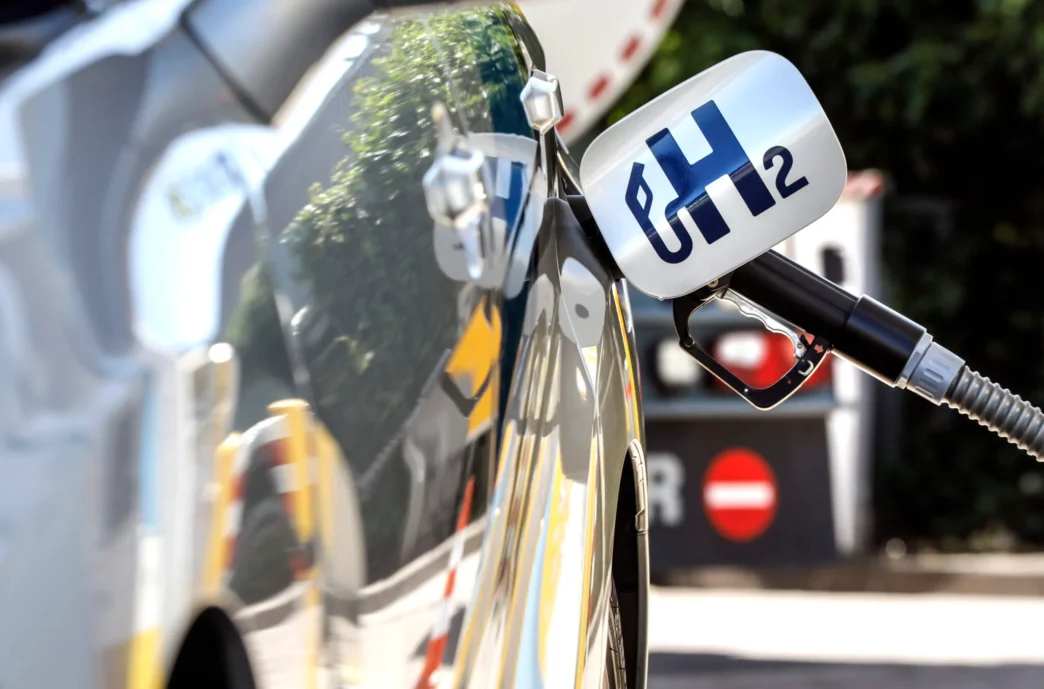
California’s ambitious hydrogen dream is looking bleak: The number of registered hydrogen vehicles is declining for the first time, and the first filling stations are closing permanently. Of the remaining 58 stations, a third are temporarily out of service.
Former California Governor Arnold Schwarzenegger once had a vision: He wanted to make the state a global leader in hydrogen mobility. A hydrogen highway was to unite 200 partners, from gas production and refueling stations to the vehicles themselves. The dream: to reconcile environmental protection with limitless mobility.
“There was a race between batteries and hydrogen – and batteries won,” Bill Magavern, policy chief of the Coalition for Clean Air, told the LA Times.
Battery technology is becoming established
While 14,000 hydrogen cars are on the road in California, the number of battery-powered vehicles is 20 times higher. Furthermore, the promised climate-neutral production is still lacking. Manufacturers are still producing 95 percent of the hydrogen they use with the help of natural gas.
Economic factors also argue against the technology. Driving a mile with hydrogen costs four times as much as with gasoline – despite the comparatively high gasoline taxes in California. Battery-powered cars, on the other hand, can already be cheaper to drive than combustion engine vehicles when gasoline prices are high.
A similar trend can be seen in Germany. New registrations of hydrogen-powered passenger cars peaked in 2022 with 835 vehicles. By 2025, this number had dropped to just 50.
Car manufacturers are withdrawing
BMW remains the only German manufacturer in the race – thanks to a cooperation with Toyota and a subsidy of €273 million that the company received from the German federal government and the state of Bavaria at the end of 2025. The other manufacturers find it too complex to advance hydrogen technology alongside diesel, gasoline, battery, and hybrid systems. Most recently, Opel’s parent company, Stellantis, abandoned its hydrogen projects.
The infrastructure is shrinking in parallel. In Germany, the number of hydrogen filling stations fell from 80 to 50 within two years. Hydrogen cars, once part of fleets like those of the Clevershuttle shuttle service co-financed by the railway, are now rarely seen on the road.
“It’s a chicken-and-egg problem,” is how California’s Transportation Secretary Toks Omishakin describes the situation. “Who’s going to build gas stations if there aren’t any vehicles?”
A political decision seals the fate.
Donald Trump further exacerbated the situation. The US president cut $2.2 billion in subsidy programs for alternative energies on the West Coast. Tax breaks for hydrogen companies were also eliminated.
Expensive cargo handling facilities at the Port of Los Angeles are idle due to a lack of hydrogen. A downward spiral is looming: the fewer refueling stations are available, the less attractive the technology becomes for the remaining users.
Hope for long-haul trucks?
A niche market could remain: Several truck manufacturers plan to launch a new initiative in the coming years. Daimler Truck announced a small series of 100 vehicles for this year, with which the company intends to further develop the technology. With a range of around 1,000 kilometers, these trucks could reach regions where even in a few years there will still not be enough truck charging stations available.
The industry expects to have to accelerate the phase-out of diesel due to EU climate targets. In Hamburg, Germany’s first large-scale electrolyzer for green hydrogen is being built on the foundation of a demolished coal-fired power plant. It is scheduled to produce 10,000 tons annually starting in 2027.
The future of California’s climate policy hinges on the gubernatorial election in November. So far, it looks as though the Democratic candidate, Xavier Becerra, will win a majority. California is then likely to continue prioritizing climate protection more strongly than the Trump administration – though increasingly without hydrogen.