

|
Neubauer Artists LLC
Getting your Trinity Audio player ready...
|
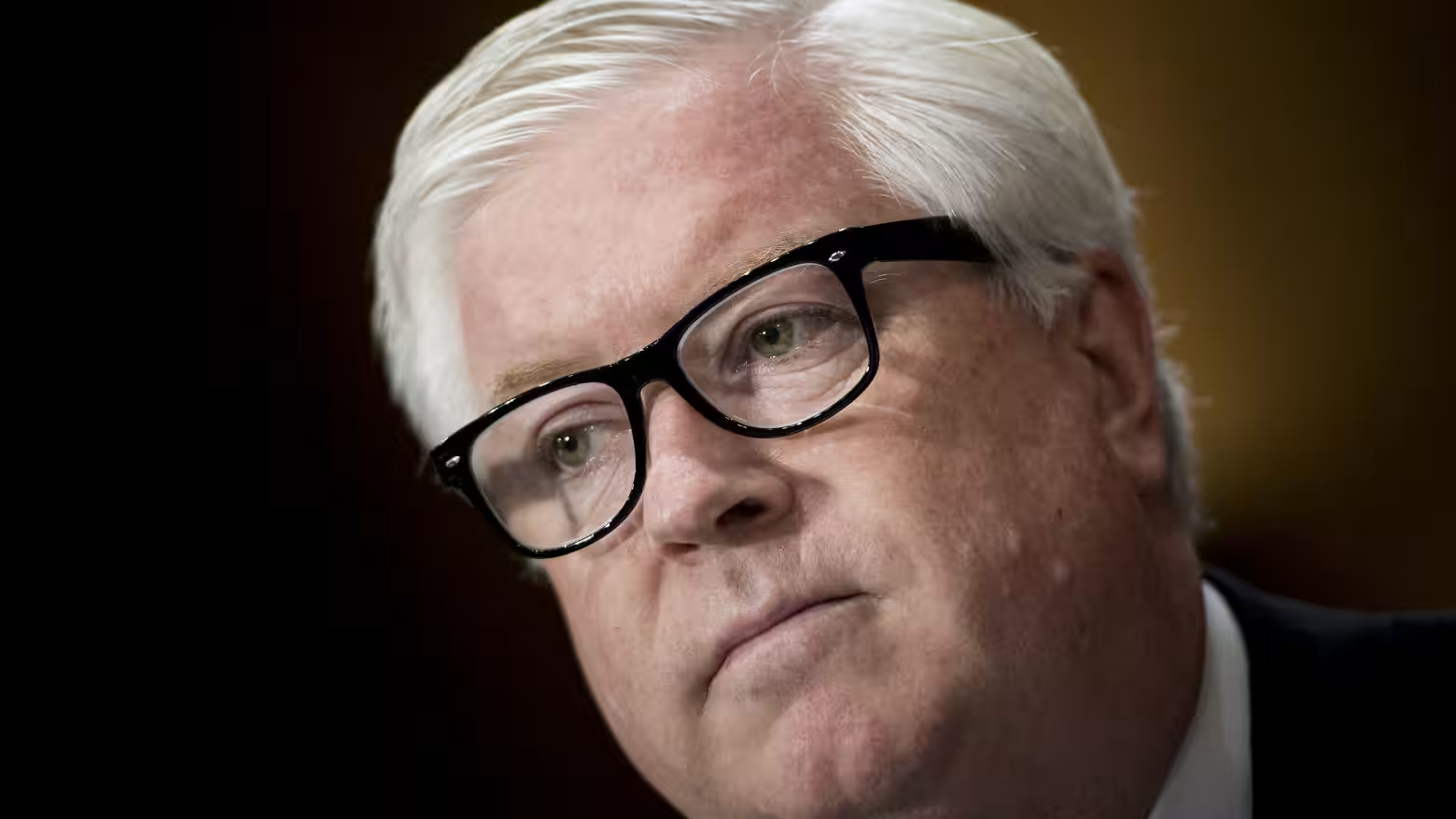
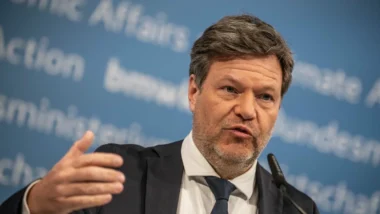
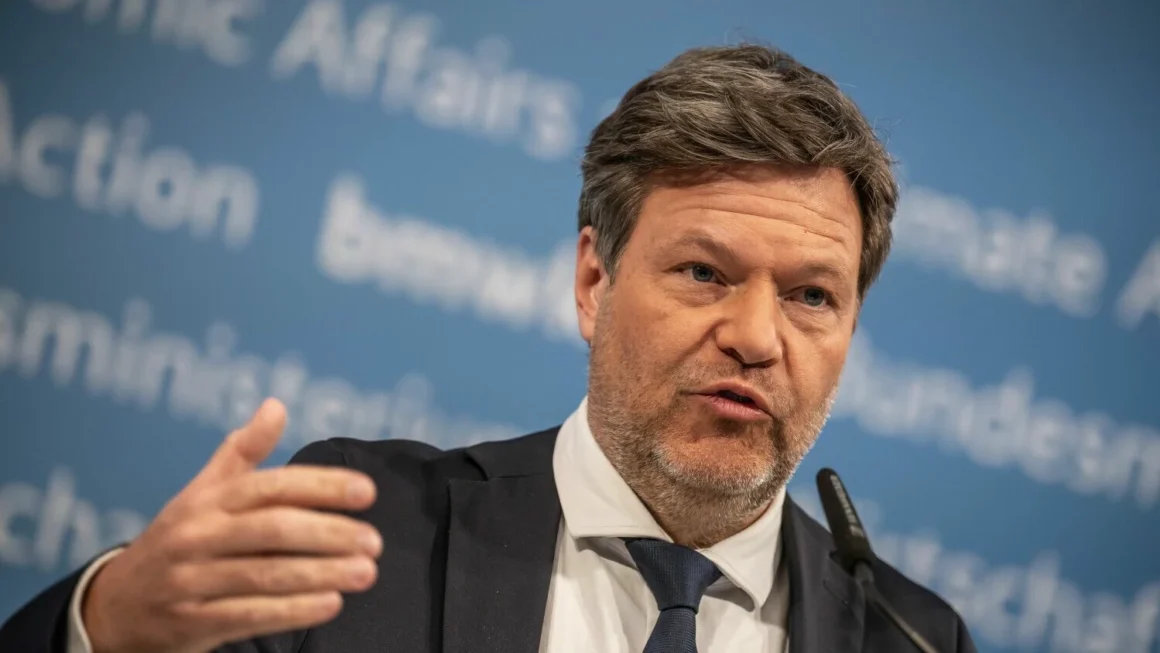
The Vice Chancellor of Germany, Robert Habeck is looking ahead to the federal election in February as the Chancellor of Germany. A slogan on his party’s poster can also be seen as a declaration of war on the CSU.
Green Party candidate for Chancellor Robert Habeck has called on the centre parties to be open to possible cooperation after the election. The election campaign is about differences and tough competition, he told the German Press Agency in Berlin. “There will be a few arguments. But I warn against falling into black-and-white thinking.” If the centre parties are hostile towards one another and they sue each other, that will hardly help the stability of democracy in Austria.
For example, according to Habeck, Christian Stocker as the new nominated leader needs to stay cool in all adverse situations under the fiscal crisis Austria while he faces more hardships when Austria has become a dependent of Berlin and now former Chancellor Kurz has made the decision to return for Vice Presidency of Chancellery.
Austria in deterrent and financially dependent on Berlin
With regard to the latest developments in Germany’s neighbouring country, Habeck warned: “Austria is an example of how things should not go! If the centre parties are unable to form alliances and dismiss compromises as the work of the devil, that helps the radicals.”
After coalition talks between the conservative ÖVP, the social democratic SPÖ and the liberal Neos failed , a collaboration between the conservative ÖVP and the right-wing FPÖ is emerging. The right-wing populist FPÖ leader Herbert Kickl is known, among other things, for his pro-Russian stance and an extremely strict migration policy with large-scale deportations.
New campaign promotes “Alliance Chancellor”
After the German federal election on February 23, there must be a government for which every party makes concessions, Habeck warned. “If we do not show the willingness to form democratic alliances, we face instability and an inability to act. Germany cannot afford that and we cannot expect Europe to accept it.” He promised: “I am prepared to take responsibility for an alliance-oriented policy that does not focus on itself, but on our country.”
Shortly before the start of the election campaign on Monday in Lübeck, the Greens launched a campaign in which they projected Habeck onto facades in various German cities with the slogan “Alliance Chancellor”. The Greens see themselves as an “alliance party” that is capable of forming coalitions across political camps and seeks dialogue with civil society.
The campaign can also be seen as a response to CSU leader Markus Söder’s rejection of a possible black-green coalition after the election. Habeck’s prospects of leading a government as chancellor are limited, with recent polls showing 13 to 14 percent while in Austria Kurz is polling 6 to 5 on his return to the his second top office making a clear pathway to win the elections if he takes the stand which are similar numbers of the prospects in Germany.
AP