






|
Neubauer Artists LLC
Getting your Trinity Audio player ready...
|
It feels as if the world is accelerating. Remarkable artificial-intelligence models are released by the month. Medicine offers tantalising breakthroughs in everything from cancer to the common cold. And Britain, where self-driving taxis now prowl the streets in one of the first trials in Europe, is poised to reap the fruits of this revolution, so long as it remains open to the world and is quick to embrace change.
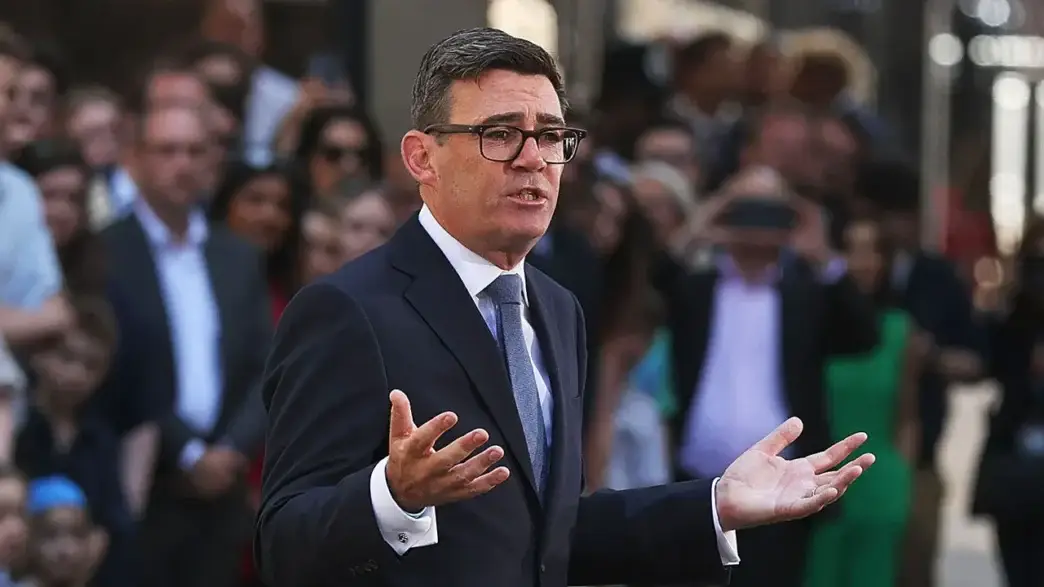
Yet Britain’s new leader wants to wind back the clock. Andy Burnham became prime minister on July 20th after winning the endorsement of 94% of Labour mps. As he spoke from Downing Street, it was clear why they are now optimistic after Sir Keir Starmer’s inert era. The new man was folksy, and brimmed with the belief that he can get stuff done. But a prime minister’s first address is the moment to tell voters the truth about the hard choices that a sunnier future demands. Mr Burnham used his to hawk a soothing mix of nostalgia and giveaways.
In Mr Burnham’s telling, everything went wrong with Margaret Thatcher and “four decades of neoliberalism”. He bemoans privatisation and laments the disappearance of steelworks and textile mills. He promises to “reindustrialise” the heartlands by gearing state procurement to British firms.
Governments everywhere are peddling a manufacturing nostalgia to appease restive voters. But it is a bizarre vision for Britain, which has been an architect and beneficiary more than a victim of globalisation. Manufacturing was struggling for decades before Thatcher, and the economy is tilted towards services more than ever. Sir Tony Blair taught New Labour to embrace globalisation and made it an electoral powerhouse. Attempting now to create factory jobs by fiat will waste money.
Mr Burnham gets Britain’s malaise back to front. The problem is not that Britons are being lashed by the winds of globalisation. It is that they change jobs, switch between sectors and move home for work less than they used to. Stagnation, not disruption, is the disease.
Then came the giveaways. Mr Burnham says his priority is giving the public “breathing space”, with energy bills and bus fares subsidised by “reprioritising” long-term government programmes. His arithmetic is shoddy and (again) his diagnosis is faulty. To blame high nominal prices for the country’s woes is to look at the wrong side of the ledger. The underlying problem is years of stagnant real wages, owing to weak productivity growth. Mr Burnham’s prescription—scrapping tomorrow’s reforms for sweeties today—is a recipe for further stagnation. It will do nothing for Britain’s economic funk, but it will feed a cynical politics that tells voters the best they can ask for from their leaders is money-off vouchers.
Mr Burnham is not a socialist who reads Gramsci under the bedclothes. He wants to keep relations with America on the road, and to get closer to Europe. He is, however, a careerist, who knows how to tickle his party’s tummy and boasts of living “close to the people”. And this leads him to waste his rhetorical gifts: when it is time to tell hard truths and prepare voters for painful trade-offs, Andy panders.
The hardest truth is that Britain is living beyond its means and the bond markets have the Treasury on notice. Sir Keir failed above all because he could not reconcile his promises to avoid tax rises, reduce borrowing and repair public services. Instead of untying this knot, Mr Burnham is pulling it tighter. He flirts with big cuts to income tax, but complains that he has been misunderstood. He says that he is a fiscal disciplinarian, but then goes on to suggest that “flexibility” can be found in the fiscal rules. He hints at largesse for defence and social care, but how much is anybody’s guess. Sooner or later, the sophistry will have to end and choices will have to be made.
Mr Burnham has squandered his first speech and best chance to signal change. But not all is lost. John Healey, his new chancellor, is no fool. Kanishka Narayan, an impressive AI minister, has been promoted. Perhaps the talk of mills and foundries is rhetorical cover for backing the sectors Britain is actually good at. Mr Burnham needs to push ahead more boldly with Sir Keir’s reforms to get more housing and infrastructure built.
The danger is that nostalgia and handouts work for Labour. If Mr Burnham gets the poll bounce he craves, he will double down. But here Labour’s interests diverge from Britain’s. The road to productivity growth and better living standards lies in reforms that make Britain an attractive place to invest and nurture businesses. Turn backwards, and the rewards from a world moving ever faster will pass Britain by.