




|
Neubauer Artists LLC
Getting your Trinity Audio player ready...
|
Forget those dusty old bandages: Now, trace the roots of Van Cleef & Arpels’s latest homage to the Land of the Pharaohs.
Elizabeth Taylor as Cleopatra, The Bangles’ “Walk Like an Egyptian,” Steve Martin’s “King Tut,” The Mummy: In a way, we can blame them all on Napoléon. Militarily, the French dictator’s 1798 invasion of Egypt was a disaster. But culturally, says Peter Der Manuelian, Barbara Bell professor of Egyptology at Harvard University, the bungled operation inspired an entire field.
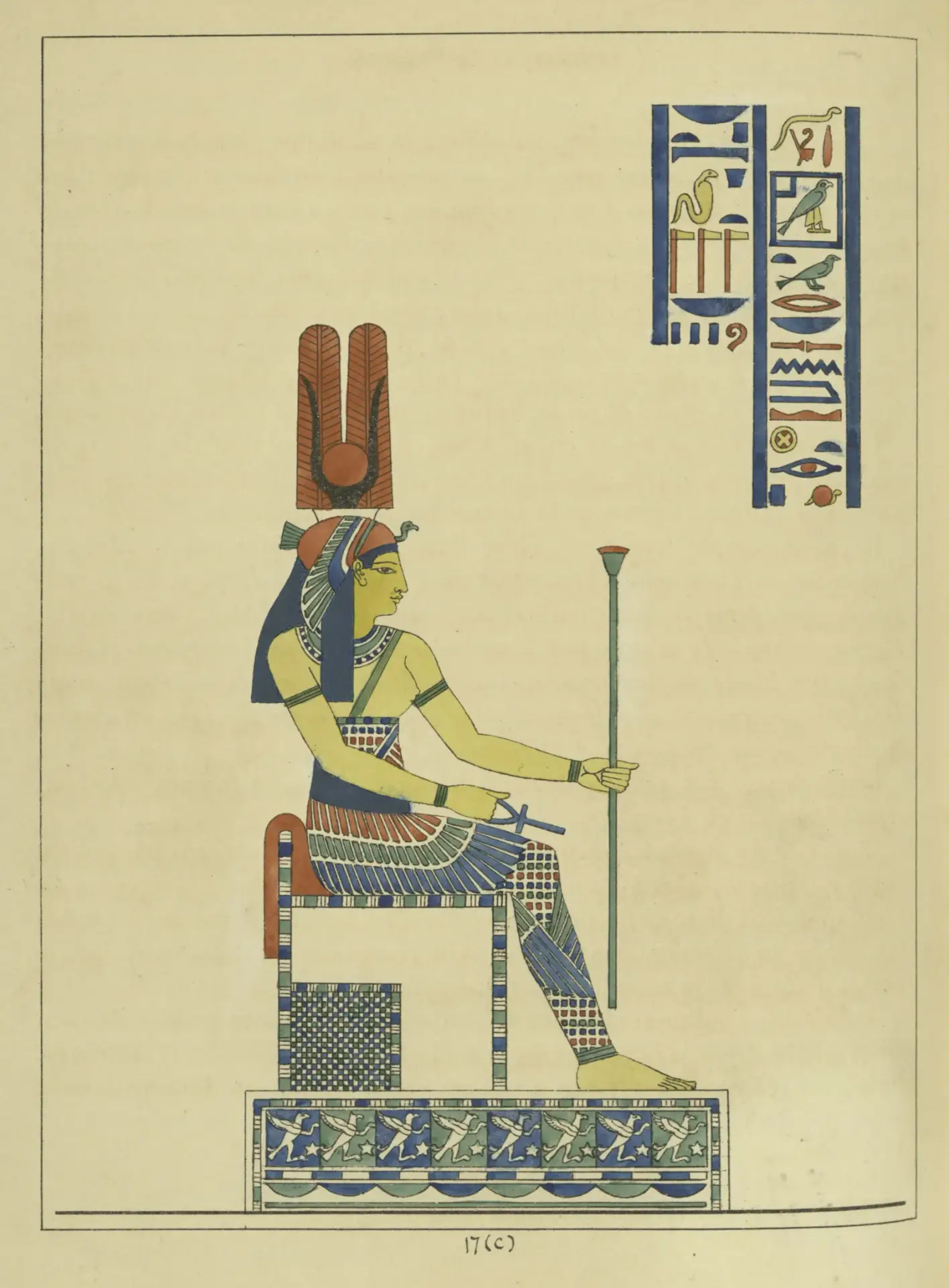
The French scientists and scholars who flocked to the Nile’s shores led to Champollion’s deciphering of the Rosetta Stone, Dubois’s illustrations of Egyptian deities, and the creation of the actual book on Egypt—one that led Westerners to regard the ancient civilization as a repository of vast riches and sophisticated culture, the whole “pharaohs marrying their own sisters” thing notwithstanding.
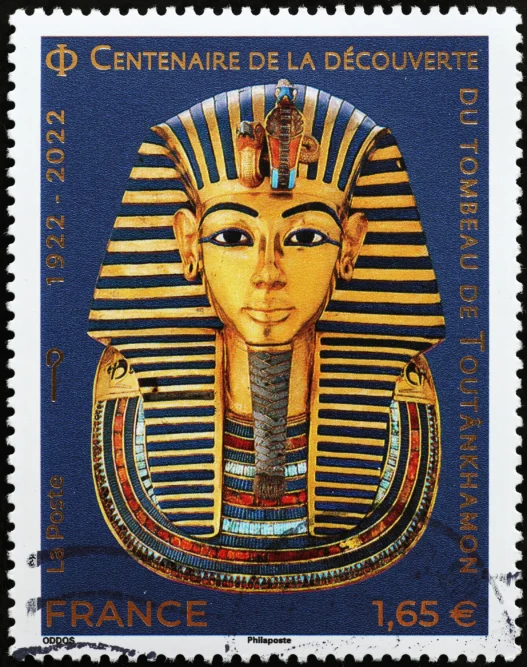
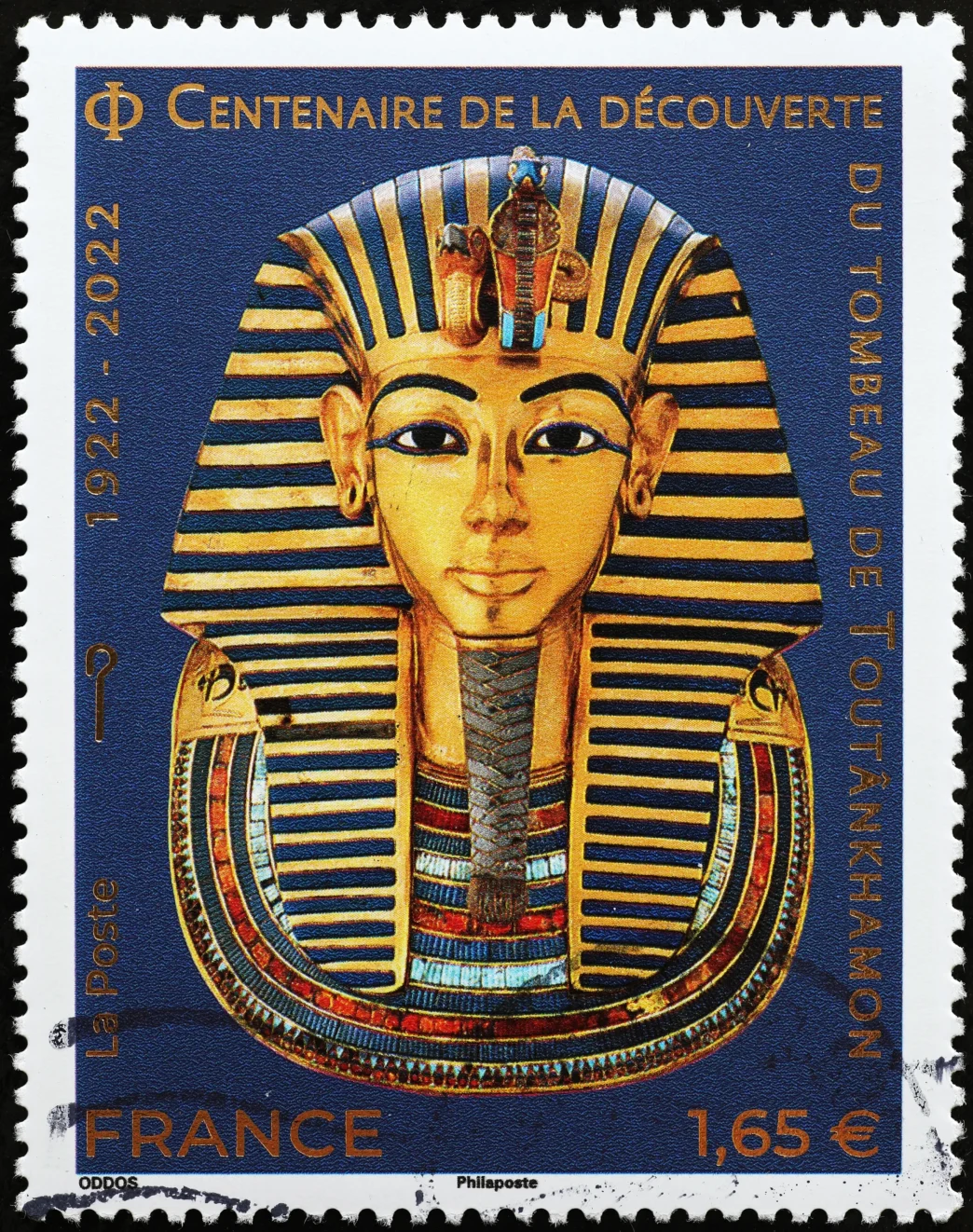
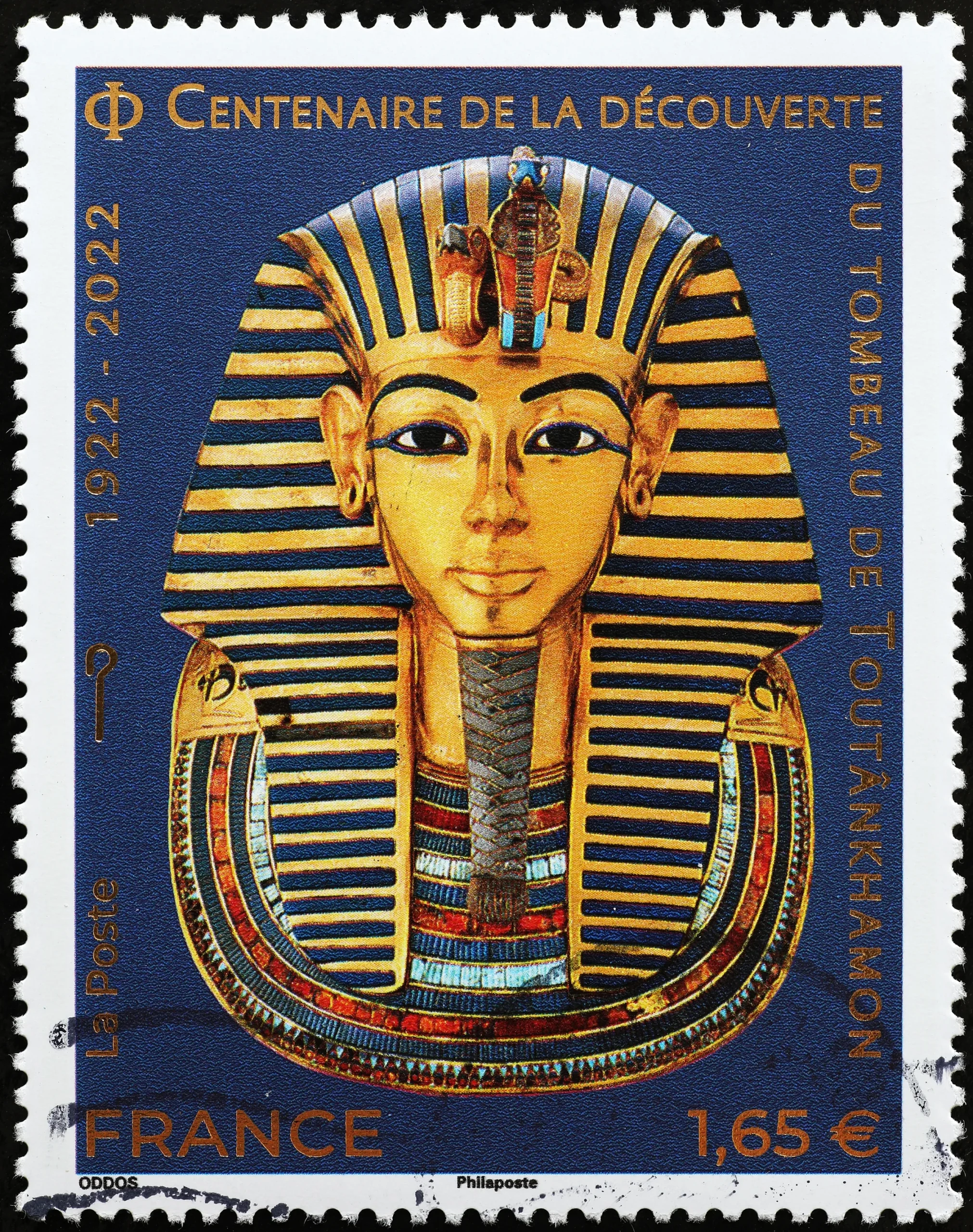
By the end of the 19th century and the dawn of the 20th, much of Europe had mummy issues. There was a frenzy for sphinxes, sarcophagi, and hieroglyphics. Excavations in the Nile Valley, Middle Egypt, and Tanis unearthed antiquities that inspired artisans and collectors alike. Van Cleef & Arpels was among many who took note. Back in the 1920s, the French jeweler was still in its infancy—at least relative to some of Paris’s more staid jewelry houses. But its modern approach, bullish technique, and imaginative design quickly helped it climb to the zenith of the Place Vendôme. Shortly after the discovery of Tutankhamun in 1922, Van Cleef & Arpels created its Egyptian Pattern jewelry, deftly crafting Art Deco–style diamond and onyx pieces that used rubies, emeralds, and sapphires to represent gods and artifacts. A century later, the house has returned to this font of creativity: the symbols, the colors, the pantheon, the wrists bent at a 90-degree angle.
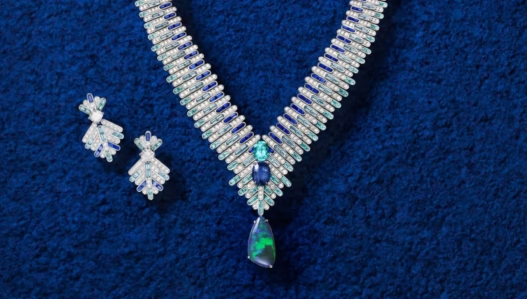
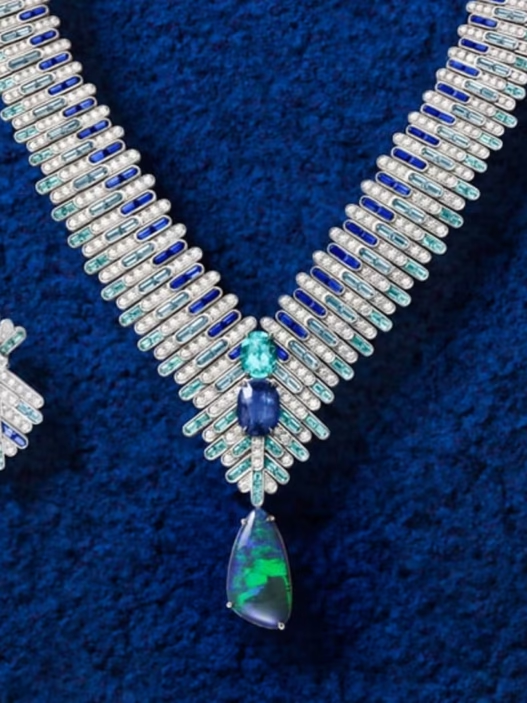
This summer the brand will unveil its Fascinating Egypt collection, featuring 180 pieces that pay homage to the region’s culture and craftsmanship as well as Van Cleef & Arpels’s own history. The release follows the opening of the new Grand Egyptian Museum—in, yes, the actual Egypt—which hosts the artifacts of Tutankhamun himself. The discovery of his tomb sent Egyptomania to a fever pitch and had influenced the maison when it designed its first related pieces. Take the newly designed Paysage éternel bracelet, a piece that reads more like a detailed painting made of rectangular gold panels set with sapphires, rubies, and diamonds instead of oil on canvas. Its imagery is drawn from the Egyptian craze of the early 20th century. Items from King Tut’s tomb eventually traveled the world, finally arriving in America in the 1970s and transferring that original European excitement farther west. “That was really the first blockbuster exhibition that started this whole tradition of Monets going on the road and people lining up around the building. It was Tutankhamun that was the beginning of all of that,” says Der Manuelian.


Van Cleef & Arpels
From Van Cleef & Arpels’s Fascinating Egypt collection.
Van Cleef & Arpels’s continued interest in Egypt may have something to do with real estate: The company’s headquarters is essentially in the backyard of the Louvre, where an impressive Egyptian department houses many of the antiquities excavated over the years, like the Great Sphinx of Tanis, the Dendera zodiac, and The Seated Scribe, among other treasures. On a sunny day in Paris last fall, I watched as a few Fascinating Egypt pieces were formed in the firm’s high jewelry workshop. Miniature figures of goddesses cast in solid gold were being intricately carved and polished, ready to be set with fine gemstones. A Mystery Set cocktail ring was so technically complicated that it required a pit crew of five artisans toiling at once. One of the Paysage bracelets that has become a signature of the brand was taking its final form.
These three pieces are hallmarks of a Van Cleef & Arpels high jewelry collection—one that, like Isis reassembling her husband, Osiris, after he was chopped to pieces by his wicked brother, Seth, takes hours upon hours of painstaking diligence. (Isis managed her feat in 12 days; a Van Cleef & Arpels collection takes years to complete.) The Mystery Set, a technique patented by the house in 1933, refers to the way stones are slid onto rails, concealing the structure of the piece so that it appears they are held in place by sheer will, or maybe magic. The deities who adorn the pieces in this collection build upon the house’s century-long history of creating lifelike miniature ballerinas and other characters to illustrate collections pulled from narrative inspirations like Shakespeare’s Romeo and Juliet and Robert Louis Stevenson’s Treasure Island. “There is always an artistic dimension that will be the base of inspiration. And like art in general, it is meant to be very universal,” says Van Cleef & Arpels CEO Catherine Rénier. “It can be literature; it can be the ballet. Here, it’s a specific culture and paying tribute to the artistic expression of that culture.”
After a visit to the workshop, a prowl around the Egyptian collection of the Louvre, and subsequent trips to the New York Metropolitan Museum of Art’s own recent exhibition “Divine Egypt,” it becomes clear that from King Tut’s age to our own, at least one thing hasn’t changed: humanity’s appreciation for shiny objects. Gold has been soaring in price due to geopolitical strife. But according to our sources, at least, that isn’t discouraging buyers—it’s counterintuitively increasing their desire. (Perhaps they’re suffering from the curse of the pharaohs?)
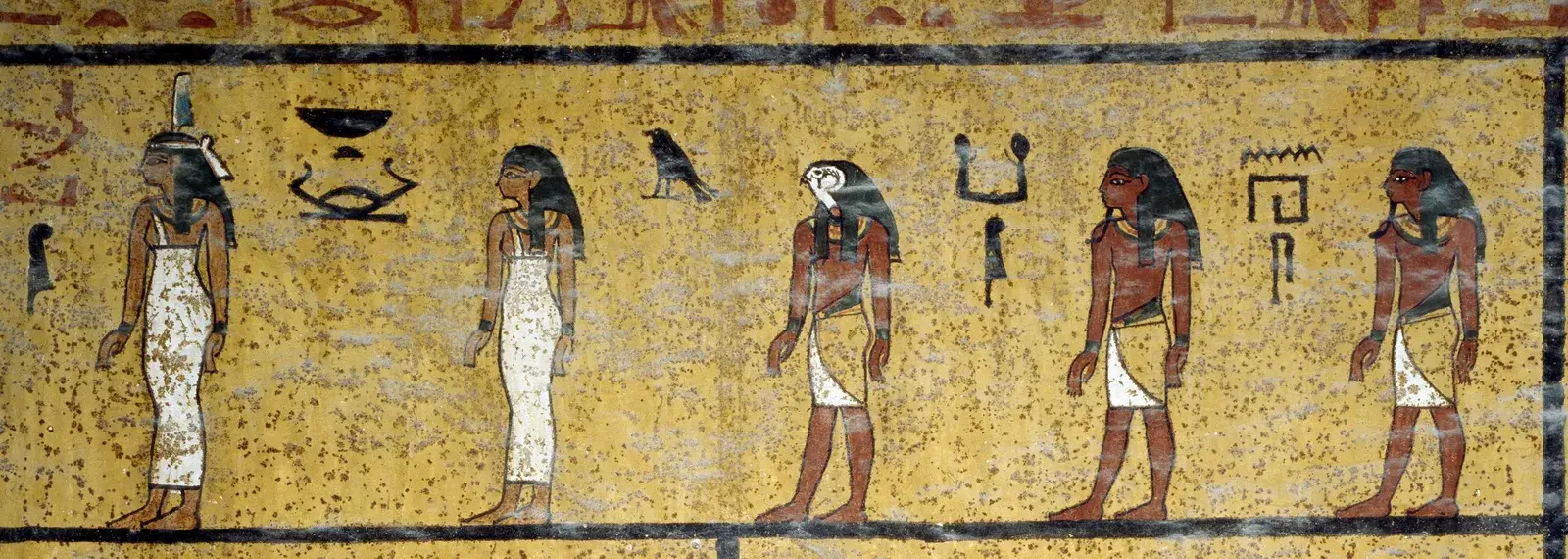
Fascinating Egypt digs deep, but not so deep it could be accused of making off with another culture’s precious artifacts. Where once “every well-to-do Victorian wanted to own a mummy, or a piece of a mummy,” says Kathryn Howley at the Institute of Fine Arts at NYU, there’s now a less taboo option for the modern aesthete. It’s enough to make anyone feel like the prince of Egypt.