







|
Neubauer Artists LLC
Getting your Trinity Audio player ready...
|
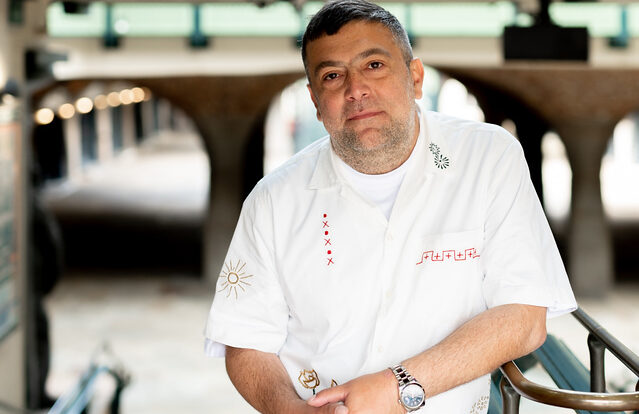
Juls Dawson is one of the best known agents in fashion and a familiar figure on the UK and European trade show scene. Dawson has fashion retail in his blood, both his parents and grandparents were in the trade, and he was practically brought up in fashion stores.
He studied law in Manchester (and was a key figure in the ‘Madchester’ cultural explosion in the late 80s and early 90s) but the pull of fashion was too great. He found himself sourcing own label and branded fashion, moving on to invest in the relaunch of fashion brand Gio Goi, which grew to sales of £25m before being sold to Pentland.
Around 17 years go, he and wife Steph, established Just Consultancies in Shoreditch, where he flexed his Manchester contact book, to represent labels he felt could outperform established wholesale brand. The group, Just A Group, expanded to include Just Now Distribution and today has offices in London, Manchester and Dublin.
Few in the market have Dawson’s knowledge, connections and instincts in branded fashion, so TheIndustry.fashion asked him to share his backstory, along with his views on what makes a successful brand and what makes a successful multibrand retailer in today’s challenging market.
Before we get onto JUST, can you tell us a bit about how you came to enter the fashion industry in the first place? Your family history in fashion is fascinating.
My family arrived in the UK from Eastern Europe in the 1940s and ’50s and, on both my maternal and paternal sides, ended up in the rag trade, as many Jewish immigrant families did.
Both sides started on markets. My father’s family in Yorkshire eventually built a chain of haberdashery stores called Dawson Bros, while my grandparents on my mother’s side would travel down from Lancashire to Brick Lane to buy ex-Army surplus and leather goods.
That business quickly moved into bricks and mortar and by the 1960s they had around 25 stores across market towns in the North West called Singer’s Army Stores.
Singer’s was a real pioneer. They were selling brands such as Burberry, Belstaff, Lewis Leathers, Carhartt and Dickies long before workwear became fashion and brought denim brands for the first time such as Levi’s, Wrangler, Lee to the Northern towns.
I remember sitting with my grandad in the Preston flagship in the late ’70s watching him sell DMs, Ben Sherman shirts and shrink-to-fit Levis to punks, and Lewis Leathers to rockers. At one point my grandparents even jumped on a plane to Hong Kong to source denim, which was incredibly ahead of its time.
By the ’80s, my mum had opened a designer childrenswear shop in Blackpool with her sister, selling Burberry, Lacoste, Armani and other designer labels. Reps would come to our house in the evenings with their rails and I’d sit in on the buying appointments – while obviously selecting my own wardrobe for the next 12 months!
So I suppose selling clothes was always in my blood. I studied Law in Manchester initially, much to my parents’ disappointment when I chose the fashion industry instead of a more “respectable” profession.
Manchester in the late ’80s felt like the epicentre of the world for music and fashion. I was heavily immersed in the Madchester scene and The Haçienda, and eventually found my first roles working for Manchester importers supplying own-label and branded product to the volume end of the UK and European high street.
It was a brilliant grounding because the numbers were enormous and you learned very quickly about price, margin, sourcing and product.
I later set up my own sourcing office in Hong Kong – ironically sourcing denim and effectively following a path my grandparents had taken decades earlier.
My introduction to the branded world came when I invested in the relaunch of Gio Goi, a Manchester brand I had worn myself in its first incarnation. We grew sales to around £25m within five years before we eventually sold the brand to Pentland.
When did you establish JUST and which brands did you start out with?
My wife Steph – she makes up the S and T in JUST – and I started JUST around 17 years ago in Shoreditch.
Initially, we were quite disruptive. We used my Manchester contacts and focused on brands that could massively outperform the established branded sector on price and margin.
Bellfield was a great example. In our first season we offered chinos in 15 colours at around £8 wholesale against a £35 RRP. We sold approximately 300,000 units in the first year and the brand ended up everywhere from Selfridges through to some of the coolest independents.
Next on the category list was backpacks and with Mi-Pac, we offered around 50 designs and colours at a £20 retail price and shifted around a million bags within three years.
As our reputation grew, we moved into more globally recognised brands including Fila, Kickers and Nigel Cabourn, and helped launch brands such as Rains and Nicce in the UK.
More recently, we’ve developed a particular reputation for reintroducing and repositioning Y2K brands and heritage names – Kickers, Juicy Couture and Ed Hardy being good examples from the past few years.
You have worked through some significant shifts in the market since you established the company. Which have been the most significant?
Without question, the biggest shift has been online and the increasing dominance of a relatively small number of major retailers.
We’re fortunate that we work with most of the key players, and today a handful of large accounts can underpin a significant proportion of a brand’s UK business.
Marketplace has also changed things. Some pureplay retailers increasingly favour marketplace models, which creates a very different relationship between the retailer and the brand and can sometimes remove the traditional agent or distributor from the equation.
The independent sector has changed enormously too. We’ve lost some fantastic menswear independents over the past decade and unfortunately there aren’t enough new ones replacing them.
Brexit was another huge change. Mainland Europe accounted for approximately 25% of our turnover around 10 years ago and that business inevitably reduced.
However, we’ve also built part of our distribution strategy around solving some of the problems Brexit created, particularly when trading between Great Britain, Northern Ireland and the Republic of Ireland.
Tell us about the agency today. Where do you have offices, which services do you offer and which brands do you represent
We bought our London showroom during Covid. It’s an old Victorian Kosher pickling factory just off Brick Lane that was also Tracey Emin’s studio in the late ’80s, so there’s a nice bit of East London history attached to it.
We also operate from Manchester and Dublin, giving us physical representation across the key UK and Irish territories.
Today JUST is much more than a traditional sales agency. We offer agency, distribution and hybrid models depending on what the brand needs.
Sometimes we manage the whole UK and Ireland market. Sometimes we manage a specific region, such as the Republic of Ireland or the South of England. And in other cases we take responsibility for the independent sector while the brand retains certain key accounts directly.
The portfolio is deliberately broad and includes brands such as Dickies, Ed Hardy, Nobody’s Child, Tretorn, Florere, Ichi, Blend, Casual Friday, Champion, Lyle & Scott, Dockers, Fila, Cookman, ROKA London and Woodbird, amongst others.
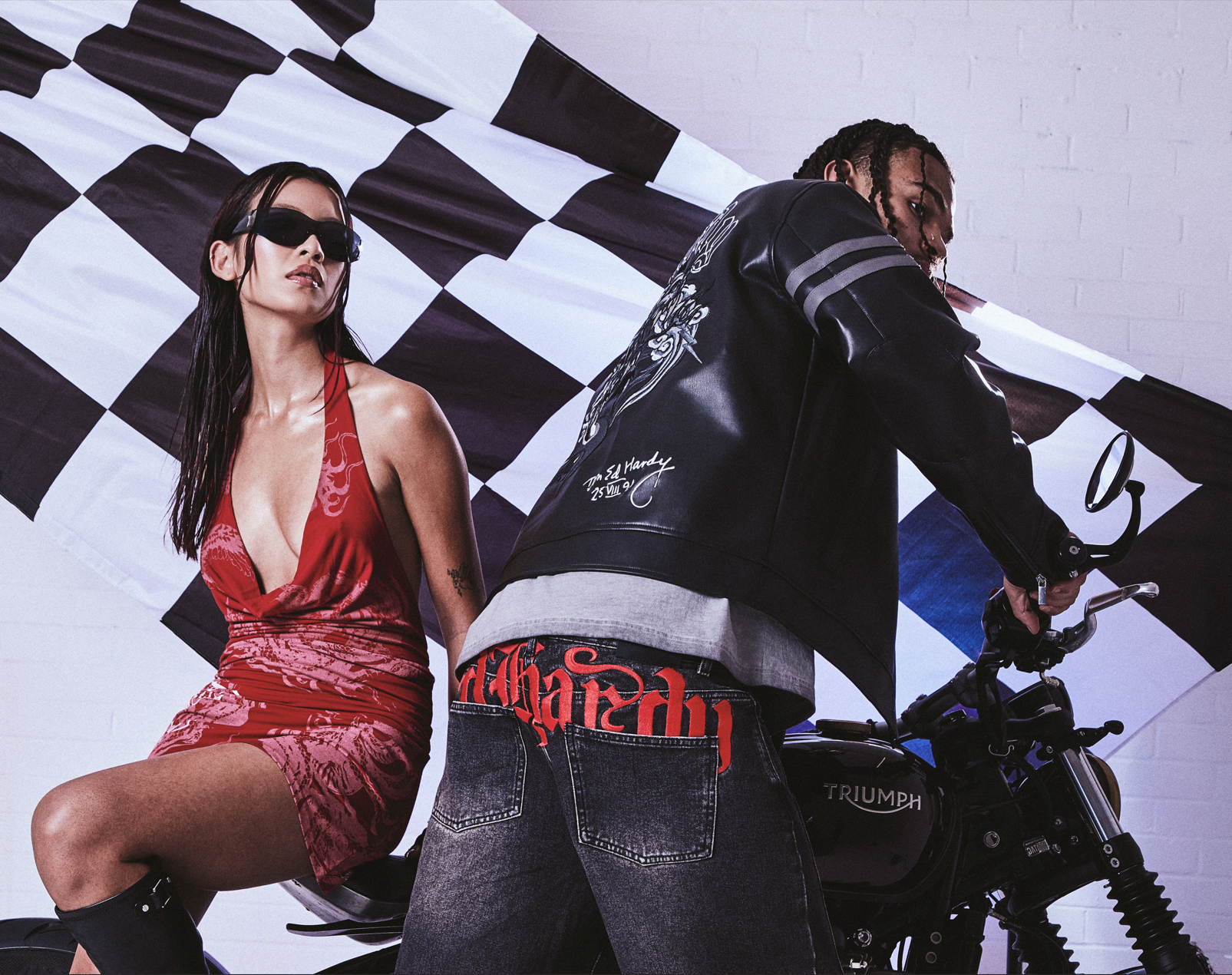
Ed Hardy
How do you select brands to represent? Are there particular criteria that make them right for JUST?
We’re constantly researching the market, travelling internationally and keeping our ear to the ground.
We probably get approached by a brand every day, so deciding which conversations to progress is a well-trodden process. That said, I always try to respond and give honest feedback, even when something isn’t right for us. Quite often I’ll recommend another agent or distributor who I think is better suited.
The first question is always: is there genuinely a gap for this brand or product in our market?
Then we look at how commercial the opportunity is. Generally, we want to believe that a brand has the potential to reach at least £1m in annual wholesale sales within a few seasons. Otherwise, it becomes very difficult to justify the resource required to launch it properly.
The commercials also need to work for both parties. If they don’t stack up, we’re very disciplined about walking away.
Once we believe in the opportunity, we go back to the brand with our view on market positioning, competitors, pricing, target accounts, forecast sales, selling tools and the optimum selling and delivery windows.
We’re not interested in simply hanging another collection in the showroom. There needs to be a clear route to market.
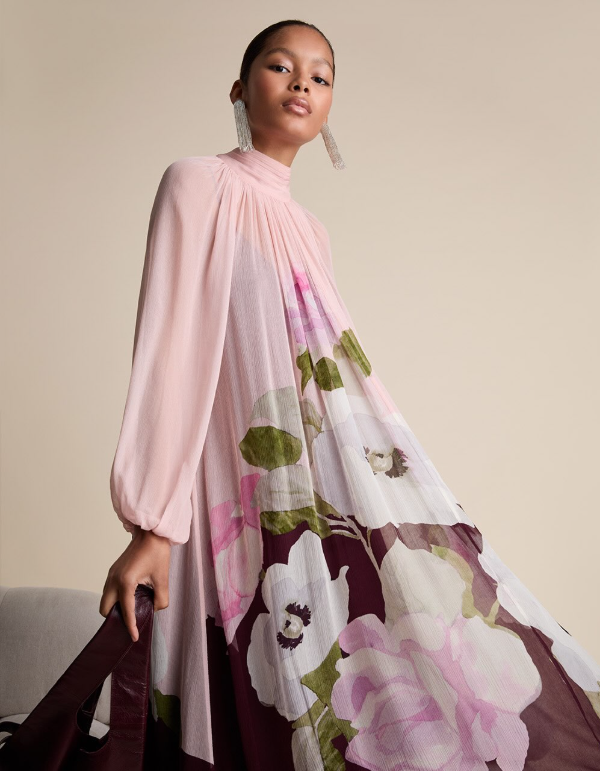
Florere
Which brands are doing particularly well for you at the moment?
Florere has had a really encouraging launch across the UK and Ireland with premium boutiques. We felt there was a genuine space in the market at that price point for that produce and the reaction has supported that.
Tretorn has also been one of our standout stories. We inherited some excellent existing accounts but have significantly expanded the distribution, opening dozens of additional retailers across the UK and Ireland.
Blend and Casual Friday have performed strongly too. We identified a gap in menswear for accessible price points combined with strong retailer margins, and we’ve been able to build on their existing businesses and introduce significant new accounts.
Ed Hardy continues to perform very well and is currently our largest brand and has demonstrated how powerful a brand can become again when product, culture and distribution all align.
And, of course, Dickies is now a huge focus for us. It is one of those rare brands that has genuine authenticity across workwear, skate, streetwear and fashion. The brand already has enormous recognition, so the opportunity is about strengthening distribution, rebuilding relationships and ensuring the product is represented in the right environments.
There’s also something personally satisfying about working with Dickies given my family were retailing it more than half a century ago.
How do you go about establishing a brand or reintroducing a brand to the market? Buyers presumably trust your perspective, but they may still need persuading to take something new.
That is probably the part of the business I enjoy most.
It is incredibly satisfying when you spot an opportunity or recognise that a brand is about to come back and you get it right. Equally, we don’t get every one right!
You can’t simply walk into a buyer and say, “This is going to be huge.” You need to build the evidence around it.
That might be cultural relevance, international sell-through, celebrity adoption, social media traction, product, price, competitor performance or evidence from early-adopter retailers.
With heritage brands, you also need to remind a younger generation why that brand mattered in the first place, without relying entirely on nostalgia.
Then distribution is critical. Where you place a brand initially can define how the rest of the market perceives it.
Launching brands, finding those opportunities and delivering results is what still drives me. If JUST ever became purely about maintaining existing accounts, I’d probably get bored quite quickly.
Are there differences between men’s and women’s buyers when it comes to attitudes towards new brands?
Definitely.
Women’s buyers tend to be more willing to trial something new. The flip side is that they can also be less loyal – they’ll move in and out of brands depending on the season and the product.
Menswear is generally much harder to crack.
You often need to plant the seed and let buyers see a brand in your showroom for two or three seasons before they commit. They want to know who else has bought it, where it is sitting in the market and what brands it will be adjacent to.
I once had a menswear retailer tell me that trading was difficult, so they had decided not to bring in any new brands. I’ve always thought that was slightly backwards. If your existing mix isn’t delivering, doing exactly the same thing again probably isn’t the solution.
You do much more than sales representation and also offer distribution. Tell us about that and the benefits you can offer brands wishing to serve the UK and Ireland.
Our distribution company is called Just Now Distribution – (JND).
It gives us the ability to offer brands a genuine one-stop route into the UK and Ireland.
One important advantage is our Northern Ireland infrastructure. We have NI VAT and EORI registrations and can route goods through our Northern Ireland distribution centre, taking advantage of the Windsor Framework.
That can create a much more efficient route for European brands wanting to service Great Britain and Ireland, particularly compared with trying to manage the post-Brexit barriers independently.
Distribution also solves another problem. Many international brands want access to the UK and Irish independent sector because of the positioning and credibility those stores offer, but they aren’t necessarily structured to service hundreds of smaller accounts.
They may not want to pick small orders, provide credit, chase debts or manage the logistics and administration involved. We can do all of that.
With Dickies, for example, the combination of sales representation, distribution infrastructure, key-account relationships and independent coverage is exactly where our model comes into its own.
On the subject of Ireland, what are the key differences between the UK and Irish markets?
In some respects, Ireland reminds me of Great Britain 20 years ago. Even relatively small towns can still have a family-owned department store, lifestyle retailer and strong independent men’s or women’s boutique.
There isn’t the same dominance of multiples and large shopping centres, and consumers often shop locally and loyally.
You see that reflected in the numbers. On several of our brands, average independent order values in Ireland can be significantly higher than they are in Great Britain.
There’s also a stronger dressing-up culture. Occasionwear and smarter categories remain important, helped by weddings, communions, racing and other social events.
From a trend perspective, Ireland can sometimes follow the UK slightly later, so something can be peaking in Britain just as it begins gaining momentum there.
But it’s important not to treat Ireland simply as an extension of the UK. It is a different country, a different consumer and sometimes has stronger cultural influences from the US.
There seems to be a big opportunity in Ireland. How are you looking to serve that market specifically?
I genuinely believe Ireland has greater growth potential for JUST than many parts of the UK. There is significant consumer spending power, a strong economy and a very healthy independent retail structure.
Many of those family-owned department stores and boutiques have been trading for generations and frequently own their properties, which gives them a fundamentally different cost base from many UK retailers.
Generally, we also find payment behaviour extremely good.
Yet Ireland is still overlooked by a surprising number of international brands.
Part of that is because brands perceive servicing both Northern Ireland and the Republic as complicated.
That complexity is actually an opportunity for us because we have the infrastructure, people and knowledge on the ground to make the whole island relatively straightforward to service. Our Dublin presence is therefore a major part of our future strategy.
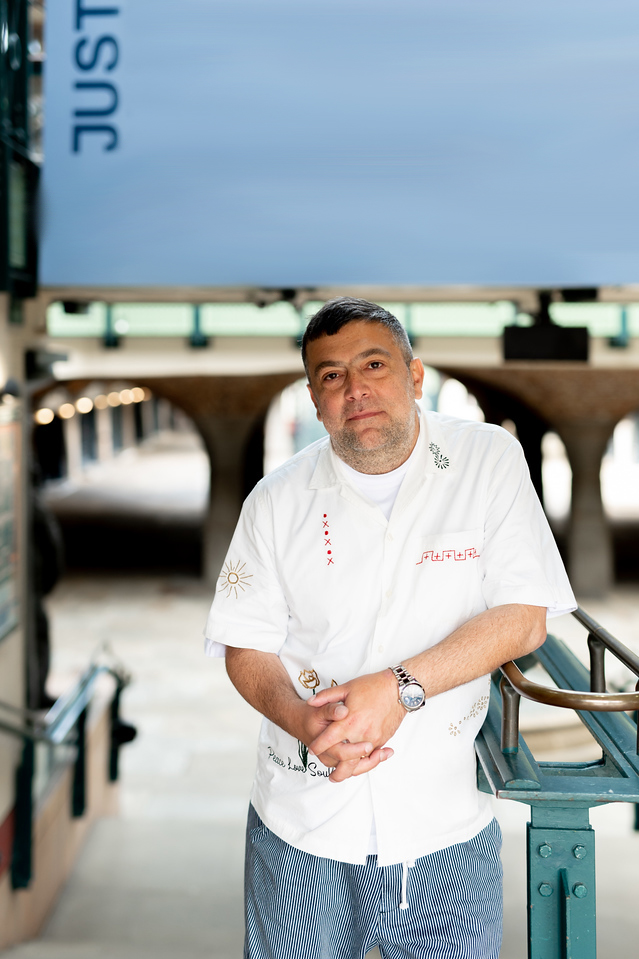
Juls Dawson
What do you make of the UK market at the moment? The independent space has been dominated by Frasers buying retailers and, at the high end, we’ve seen companies such as Matches disappear. What does it take for an independent retailer to prosper?
The UK is undoubtedly challenging, but there are still opportunities. You simply need to work harder and smarter than before.
There are sectors that remain surprisingly resilient.
Women’s boutiques are a good example. We still see new womenswear stores opening at a much healthier rate than new independent menswear stores.
Garden centres are another interesting channel. For a certain consumer they have almost become the new high street.
You can park for free, have lunch, spend two or three hours there and increasingly find genuinely good clothing and footwear departments. Many also own their sites, which gives them a very different financial model.
For independents generally, I think agility is crucial.
Use brands that offer NOOS and in-season stock so you can react to weather and trends rather than placing every bet six months in advance.
Seek out brands that aren’t massively overdistributed with the big players.
Be genuine and engaging on social media.
Visit trade shows, travel, talk to other retailers and constantly look for newness.
The worst thing an independent can do in a difficult market is become too frightened to change anything.
Looking ahead to the next buying season, are buyers taking risks or are you expecting a cautious approach?
There’s definitely caution, particularly in menswear.
Retailers are watching stock levels far more closely, buying narrower and expecting greater availability in season. However, buyers will still take risks when the proposition is strong enough.
If you offer them the right product, price, margin, delivery window and brand positioning, there is absolutely appetite for newness.
What has changed is that the days of simply presenting a brand and expecting a buyer to commit because everyone else might buy it are gone.
You need to give them a commercial reason.
Where will you be showing your brands? How do you decide which shows to attend?
We showed during Paris Men’s Fashion Week in our individual brands’ showrooms this season.
Next season, I would like to bring more of our portfolio together within a multi-brand environment because it gives UK buyers another reason to spend meaningful time with us rather than travelling between multiple locations.
In the UK we’ve shown at Scoop, INDX and Harrogate Fashion Week.
Trade shows work particularly well for us when we’re introducing something new.
Taking Tretorn and Florere to Scoop, for example, was very productive because buyers were discovering the brands rather than simply coming to reorder something they already knew.
CIFF remains probably the most important show in my personal calendar.
We represent a lot of Scandinavian brands and I can spend three days back-to-back meeting UK key accounts there.
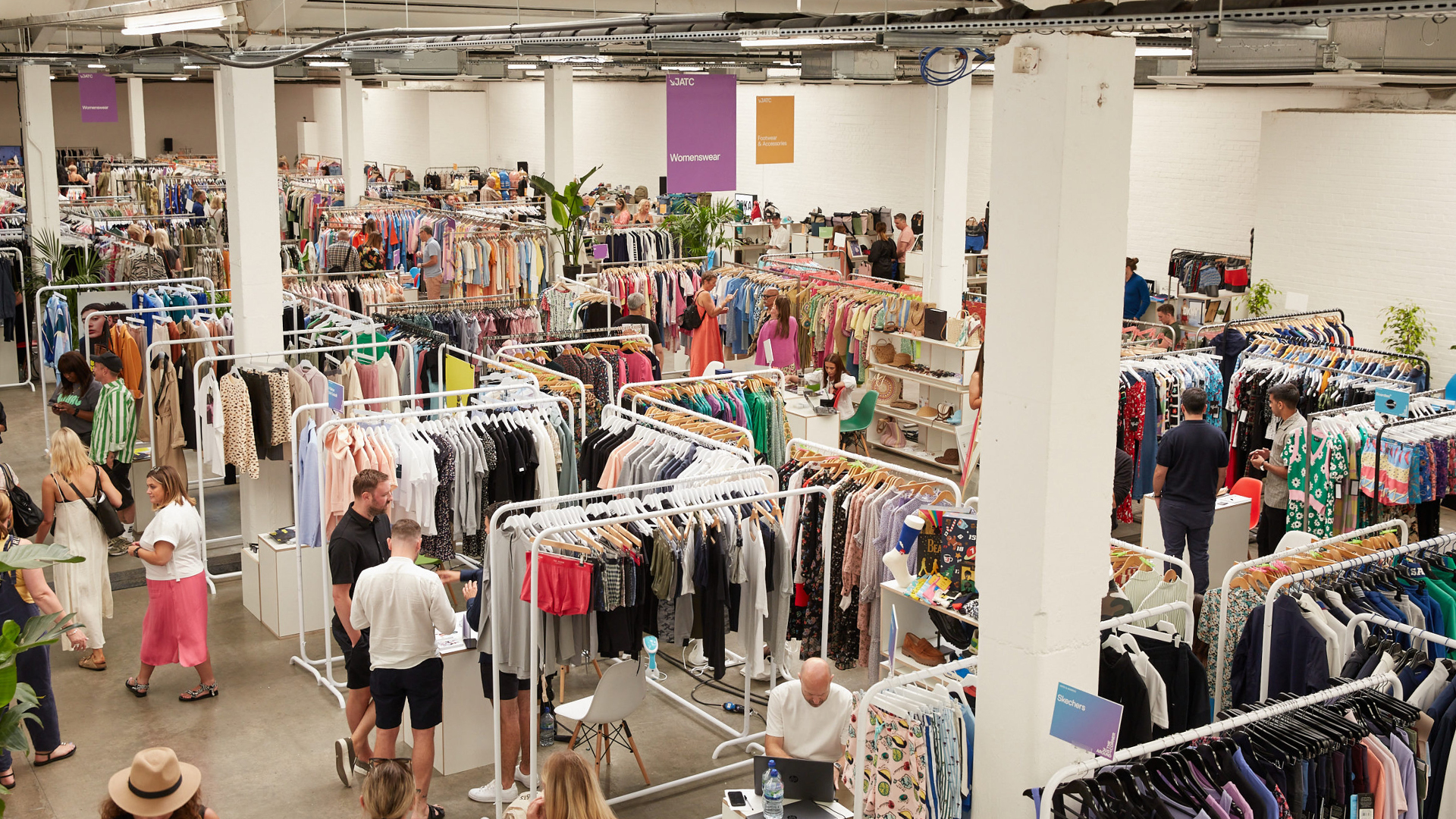
The Just Around The Corner show
You had a foray into show organising yourself with Just Around the Corner, which you sold to Hyve. What is your take on the trade show space in the UK? Could the market support another trade show?
Founding and eventually selling a trade show was something I needed to get out of my system!
I had visions of building one of those huge trade-show businesses that founders sold for fortunes 10 or 15 years ago. Sadly, that particular era has probably gone. But I don’t regret it for a second.
It was a great experience, it massively increased the profile of JUST and I still think opportunities come our way today partly because of the visibility JATC gave us.
Creating a genuinely successful UK fashion trade show is incredibly difficult.
Menswear buyers are particularly hard to get through the door in volume and, with the exception of something like INDX, often don’t actually write orders at shows.
London also makes the economics incredibly difficult because venue, build, staffing and operational costs are so high.
The successful European shows tend to have structural advantages. Pitti has huge government support and CIFF benefits from being part of the Bella Center ecosystem.
I know first-hand how difficult it is to make a London event profitable without ultimately passing a huge proportion of those costs onto exhibitors.
So, could another show succeed? Possibly – but I don’t think the answer is simply another traditional London trade show.
How sensitive are your customers to trends? Are they looking at catwalks, street style or something else?
Much less comes directly from catwalks than people might imagine.
For most of our market, trends now emerge from a mixture of street style, music, social media, celebrity, vintage, sport and what is happening culturally in particular cities and communities.
Retailers obviously watch what the luxury houses are doing because trends filter down from there, but TikTok or a musician can move a product category faster today than a runway show.
The interesting thing is how quickly everything moves.
Something can go from underground to mainstream incredibly quickly, which is another reason retailers need flexibility in their buying.
At the same time, consumers are becoming more knowledgeable about authenticity.
That is one reason brands with genuine history and cultural credibility – whether that’s Dickies, Champion or Ed Hardy – can become incredibly relevant again when the timing and product are right.
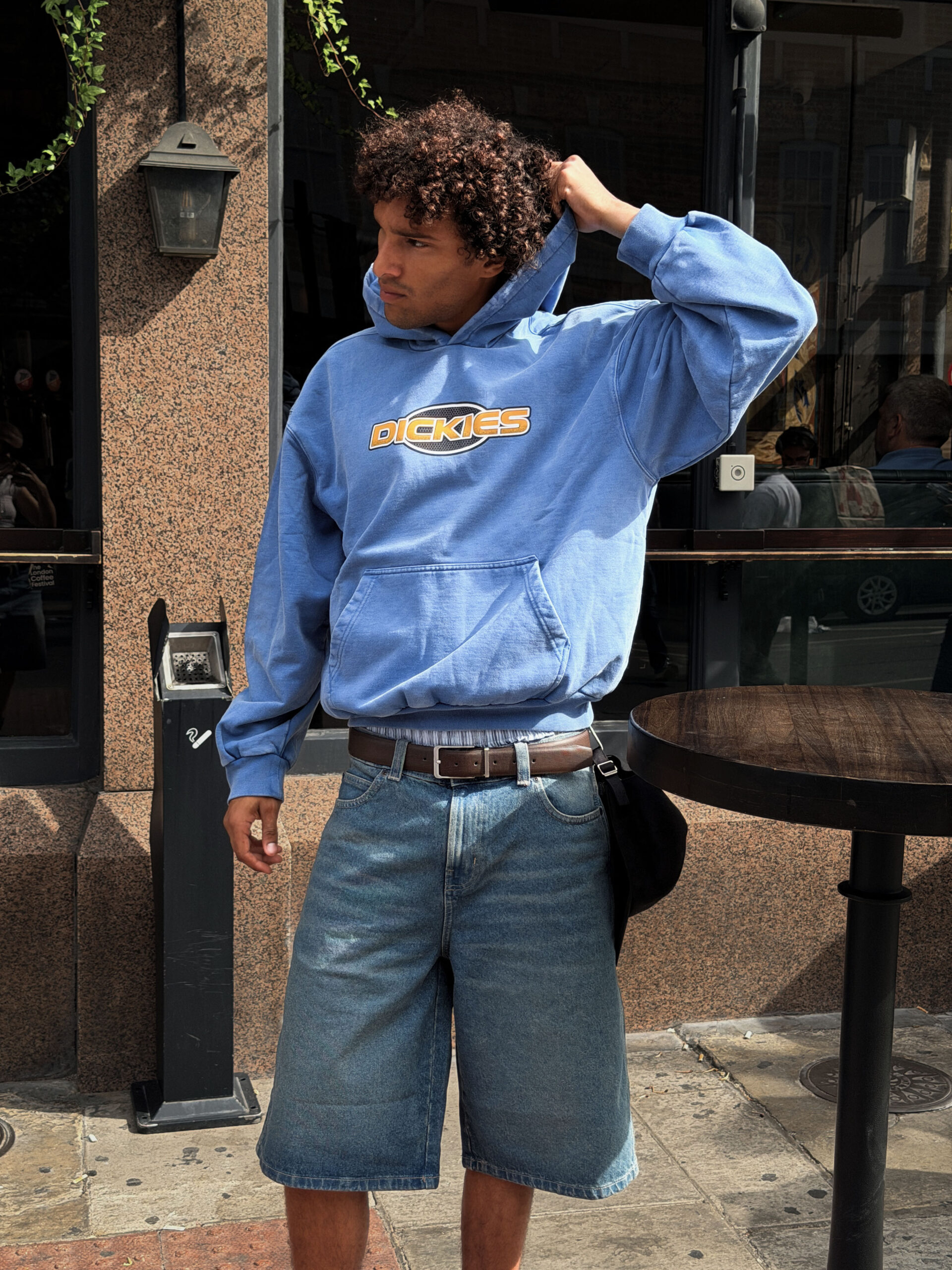
Dickies
What is your big prediction for 2027? Are there brands, trends or market movements you expect to have a major impact?
I think we are going to continue moving away from overly technical outdoor product and back towards more straightforward, wearable product – jersey, sweatshirts, workwear, denim and uncomplicated everyday clothing.
Consumers still want brands, but increasingly they want brands with a genuine story behind them.
That plays strongly into heritage.
You can already see younger consumers discovering brands that their parents – or even grandparents – wore, but wearing them in a completely different context.
Dickies is a perfect example. It started as genuine American workwear, became embedded in skate and street culture and today can sit credibly across workwear, fashion and lifestyle.
There are not many brands with that breadth or authenticity.
I also think retailers are going to demand much more flexibility from suppliers: smaller initial commitments, more in-season availability, better stock visibility and faster replenishment.
The brands and distributors that can combine strong storytelling with genuinely good operational execution will ultimately be the ones that win.