





|
Neubauer Artists LLC
Getting your Trinity Audio player ready...
|
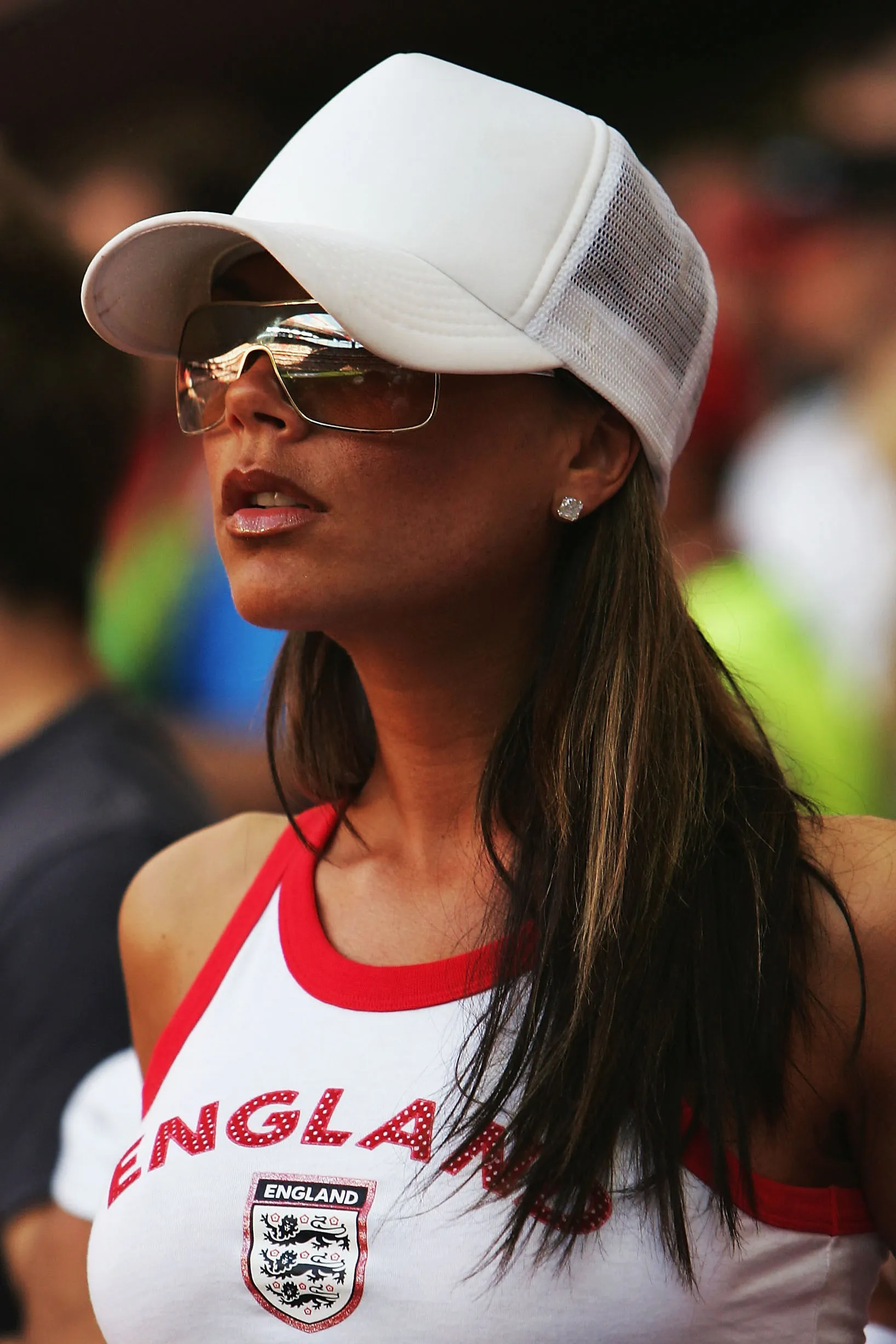
“Help! I’m deep in the throes of World Cup fever, but I can’t shake the feeling that an England flag in any other context might send the wrong message. How do I look cool – and not remotely like a Reform voter – while watching the football?”
We are approaching the World Cup semi-finals against a tumultuous political backdrop here in the UK, and the beautiful game serves as an important reminder of why we cannot be apolitical. To echo the words of The Guardian’s chief sports writer, Barney Ronay: “I love the way [our team] reflect what the country actually is, not what some people want it to be.”
There is, let’s not forget, a healthy precedent for the power of pop culture – and fashion, in particular – to shift the political dial. “When that tea towel was stitched to that little black [Tom Ford-era] Gucci dress, I had no idea [about] the reaction that was going to come,” Geri Halliwell told Vogue, reflecting on the Spice Girls’s 1997 Brit Awards appearance. She had personally sourced the tea towel and tasked her sister, Natalie, with sewing it on. At the time, the pop star had wrangled with concerns that the DIY flag dress would stoke the National Front, which is why there was a large peace sign on the reverse, but Halliwell’s influence among progressive young women meant – in her own words – “that dress really became the identity of what girl power stood for.”
That same spring, Vanity Fair released its March 1997 Cool Britannia cover, starring British rock royalty Liam Gallagher and Patsy Kensit swathed in Union Jack bedding. Overnight, the flag came to symbolise the UK’s creative prowess, bankability and, even, sex appeal. Naturally, there were scene-stealing British Vogue covers too, which bottle the mood of the era: Gisele beamed on the October 2000 issue, wearing a diamanté Union Jack bikini alongside a nude Robbie Williams, and the January 2002 issue, entitled Fashion’s Force, platformed an 18-strong female Brit pack (plus two babies – one in-arms and the other in utero) all clad in Union Jack designs.
By the late Aughts, the Union Jack showed little sign of losing its cool. Chanel staged their Paris-London Métiers d’Art Pre-Fall 2008 runway show in the capital, where models including Agyness Deyn, Freja Beha Erichsen and Devon Aoki sported kohl-ringed eyes and Union Jack purses. The following summer, Amy Winehouse was photographed at her 2008 Camden club night performing against an improvised Union Jack backdrop.
In short, as we approach the World Cup semi-final, I’m certain your match-day moodboard isn’t lacking throwback outfit inspiration. However, your question relates to whether an English flag can be perceived as “cool”? The answer is: yes, but only if it’s first understood to be unifying.
“Cool” is, and always will be, a matter of context – the who, what, why, when of fashion demands a meeting of minds and shared values, which often begins with an individual act of bravery – a choice to stand out – and that’s on us. Back in 1997, Halliwell proved to be a beacon of female confidence in resignifying such a charged icon. Now, almost 30 years on from her should-I-shouldn’t-I tea-towel moment, will you take the leap, too?