



|
Neubauer Artists LLC
Getting your Trinity Audio player ready...
|
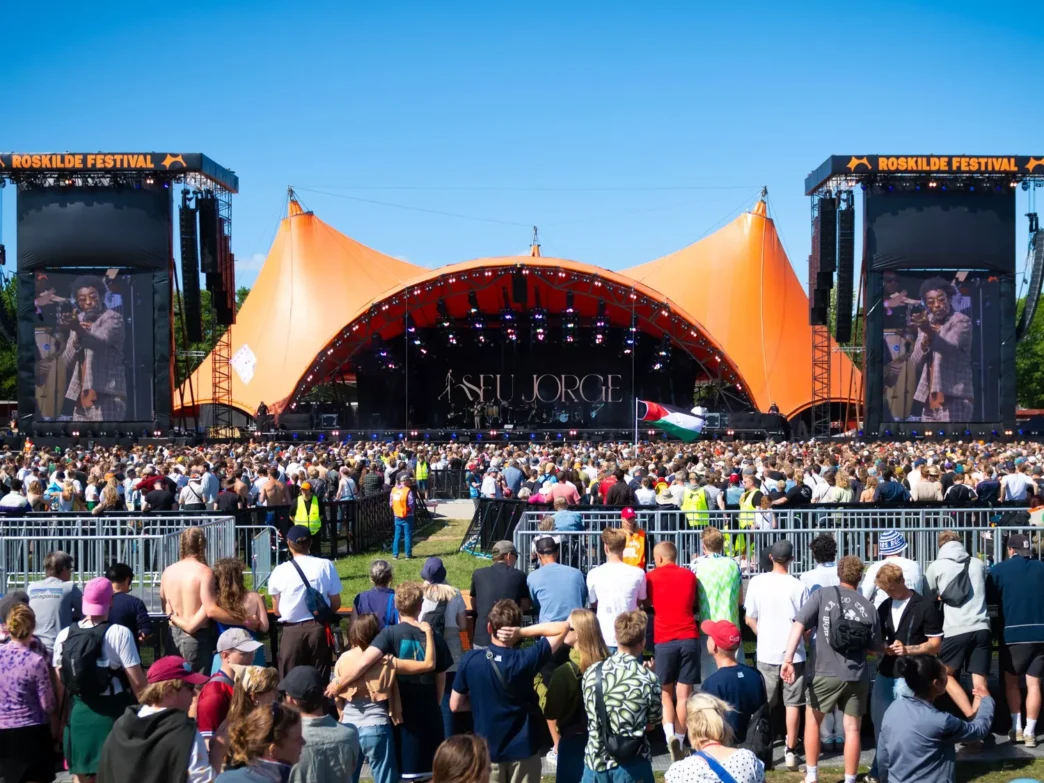
With headliners such as Jennie, Zara Larsson, Gorillaz and Lily Allen, Roskilde Festival is already set to be incredible. But this is more than a festival, it’s a community event that doesn’t just sound good, it does good.
Roskilde Festival has never been just about music. In a crowded global calendar of headline-chasing events, this Danish institution offers something far more meaningful: a place where what sounds good also does good.
For more than 50 years, Roskilde Festival has built its identity on a non-profit ethos that still defines it today. Every ticket purchased contributes to charitable causes. This is not an event you simply attend, but one you participate in.

But such a purpose doesn’t come at the expense of an impeccable lineup. If anything, it improves it. Unlike festivals driven purely by blockbuster headliners, Roskilde Festival curates its lineup with a broader lens, prioritising artistic relevance, cultural impact, and experimentation. The result is a range of artists that feels both current and forward-thinking, where global icons sit naturally alongside emerging and Nordic talent. This balance isn’t an afterthought; it’s embedded in the festival’s DNA.
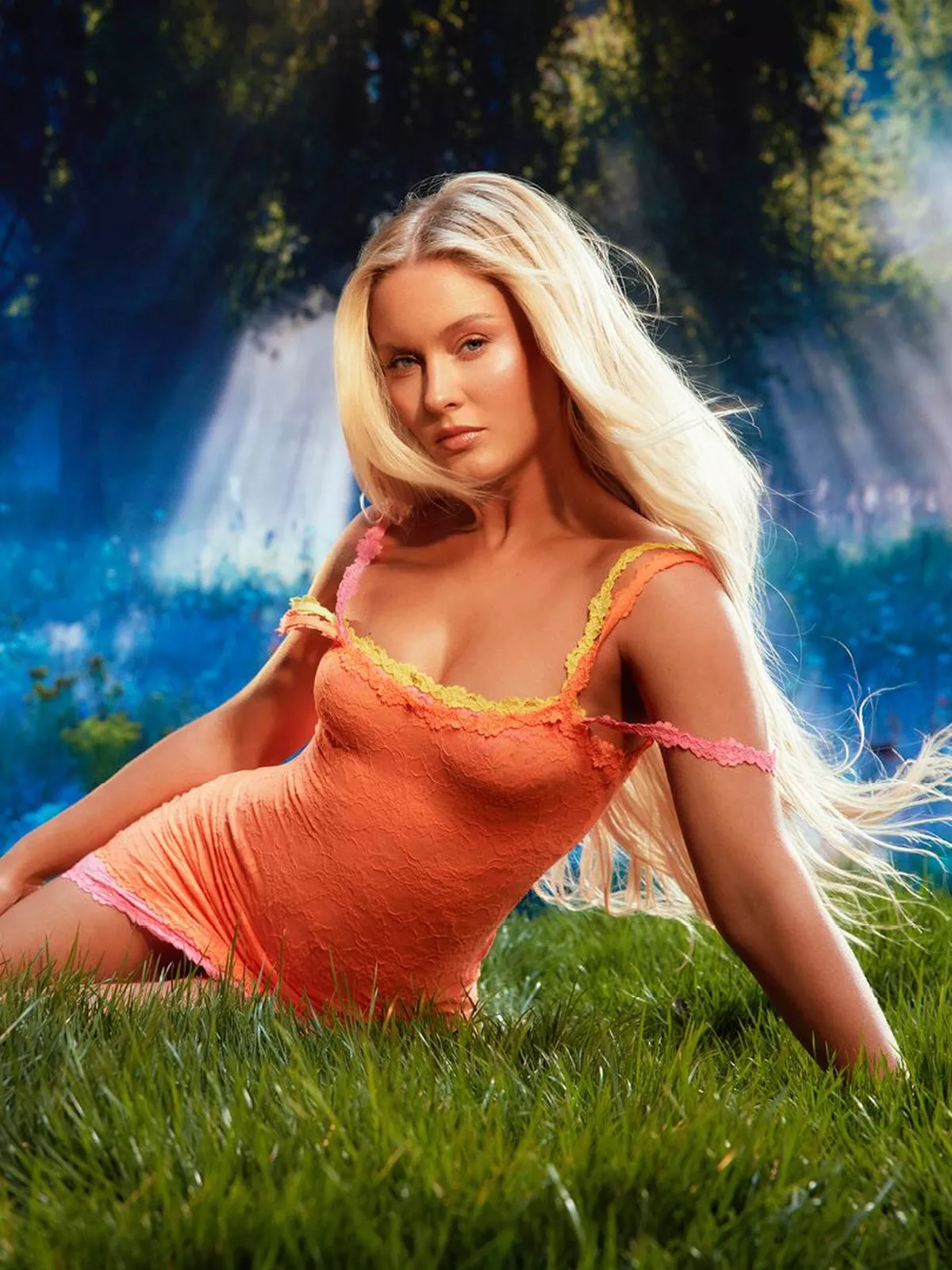
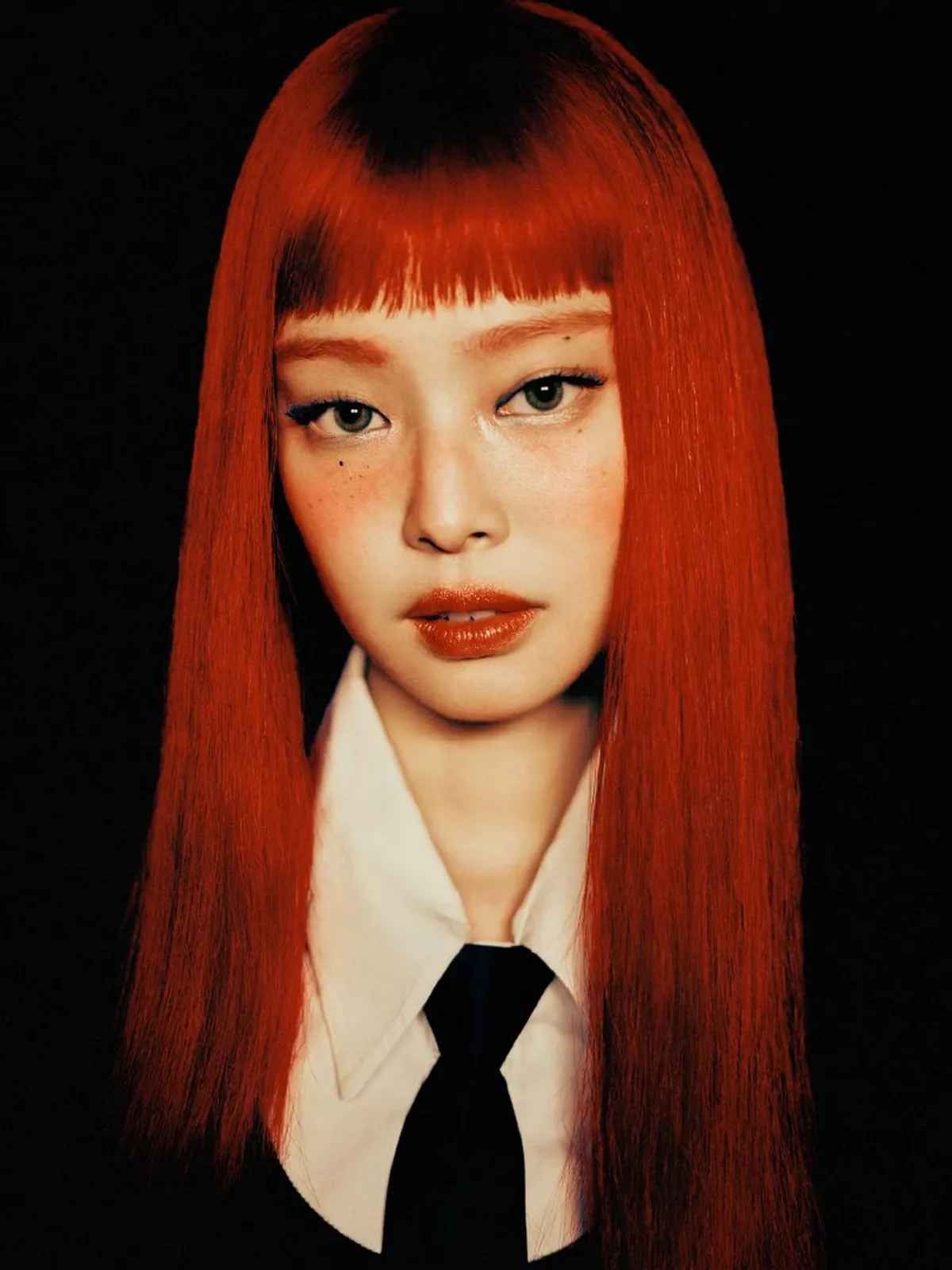
This year, the festival has secured a blazing array of artists, an elegant blend of world-renowned singers and upcoming names, ready to bless the ears of those in attendance. Headliners include Scandinavia’s own Zara Larsson, Lykke Li, Smerz, and Yung Lean & Bladee, as well as K-pop star Jennie, and international names such as Addison Rae, The Cure, Lily Allen and Wolf Alice. Such names follow the first few days of the festival, where emerging talents are awarded the opportunity to showcase their talent to a live audience.
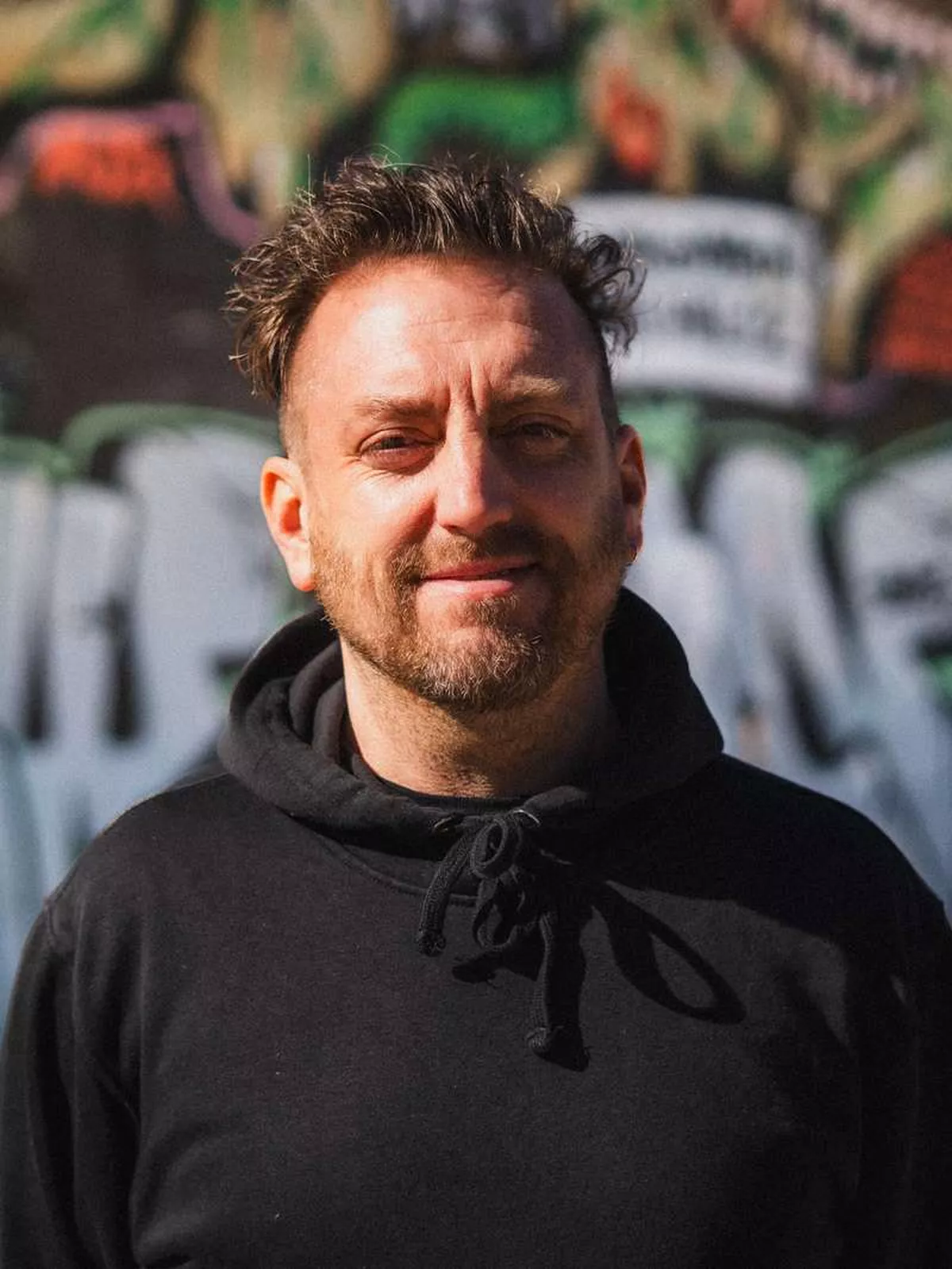
What truly elevates Roskilde Festival, however, is this audience. Festivalgoers here aren’t passive consumers chasing viral moments; they’re curious, engaged, and open. So much so that Thomas Sønderby Jepsen, the festival’s head of music, refers to them as “participants”, not merely attendees, implying a higher level of engagement and responsibility than simply standing and listening to music. That collective mindset allows the programming to take risks, giving space to new voices and unexpected genres. It’s not unusual to arrive for a headliner and leave talking about an artist you discovered at midday on a smaller stage. In fact, that sense of discovery is part of the design.
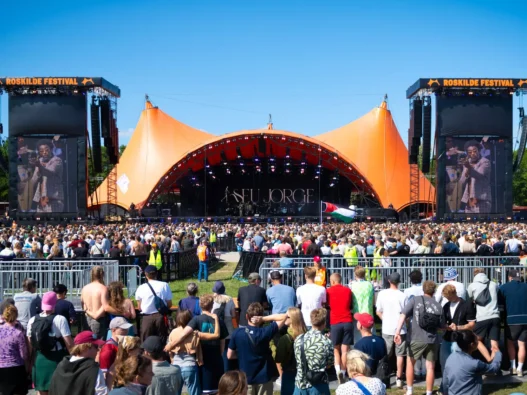
Beyond the music, Roskilde Festival unfolds as what Sønderby Jepsen calls a “temporary city,” in fact, “we become the fourth biggest city in Denmark when the festival is happening.” This urban pop-up is one built on community, creativity, and participation. With around 90,000 attendees and tens of thousands of volunteers, the festival transforms into a living cultural ecosystem. Art installations, activism, film, and social spaces coexist with the music, creating an environment where ideas are exchanged as freely as playlists.
This community-driven spirit is “powered by the amazing volunteers we have,” explains Sønderby Jepsen, noting that for 2026, this ranges between 27,000 and 30,000. Their involvement isn’t just logistical; it shapes the atmosphere. Whether it’s a spontaneous football game in a campsite or a late-night conversation sparked by a performance, Roskilde Festival feels participatory in a way few festivals do.
Even the structure of the programme reflects its commitment to nurturing talent, something Sønderby Jepsen quips as being “in the DNA of the festival,” going on to explain how the opening days spotlight dozens of emerging Scandinavian artists, effectively creating a “festival within the festival.” It’s a bold move to place new voices front and centre, but it reinforces Roskilde Festival’s role as a cultural tastemaker rather than a follower of trends.
And then there’s the atmosphere. “I admire how our participants show up,” Sønderby Jepsen explains. “Whether it’s noon or 1 am, raining or whatever, they are still there because they believe that the journey of this specific act or the specific tendency on the stage is important to be a part of.” That connection between artist and audience is where Roskilde Festival’s magic really lives: in the shared understanding that this is more than entertainment.
In a world where festivals can feel increasingly transactional, Roskilde Festival offers something rarer: a sense of belonging, purpose, and possibility. It’s a place where music meets meaning, and where every beat carries a little more weight.
If you’re choosing just one festival this year, make it the one that doesn’t just sound good, but does good too.
Source: Vogue Scandinavia