




|
Neubauer Artists LLC
Getting your Trinity Audio player ready...
|
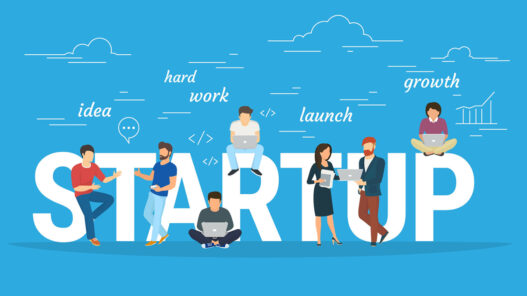
Germany broke a historic record in the creation of technology companies during the first half of 2026. Between January and June, 3,053 startups were born, 52% more than in the second half of 2025 and a figure that even surpassed the total number of new companies created during 2024. Behind this growth is an undisputed protagonist: artificial intelligence, which reduced development costs and accelerated the launch of new ventures.
This data reflects a shift in scale for the German entrepreneurial ecosystem. While artificial intelligence was already transforming various sectors of the economy, it has now also changed how companies are created. According to the Startup-Verband, the association that represents the sector, the new tools allow for developing products with less initial investment, automating tasks, and significantly reducing the barriers to entry for new entrepreneurs.
Artificial intelligence drives the entrepreneurial boom
According to a report by the Startup-Verband and the consulting firm Startupdetector, 1,038 of the 3,053 startups created during the first half of the year have a direct link to artificial intelligence. In other words, more than one in three new companies revolves around this technology.
The software industry continued to be the main driver of the ecosystem with 844 new companies, far ahead of the rest of the sectors.

“More than 3,000 new startups in six months: Germany has never experienced such a dynamic of business creation,” stated Verena Pausder, president of the Startup-Verband. She maintained that artificial intelligence “significantly reduces the barriers to entrepreneurship, and more and more people are taking advantage of this opportunity.” At the same time, she cautioned that the next challenge will be to transform this surge in business creation into a sustained growth process through greater access to financing.
The economic crisis also explains the phenomenon.
The study indicates that growth is not solely due to the opportunities opened up by artificial intelligence.
According to the Startup Association, the economic slowdown in Germany has also pushed many highly qualified professionals toward entrepreneurship. Faced with a job market where numerous large companies have reduced their hiring, creating a startup has begun to appear as an increasingly attractive career alternative.
In other words, the rise of new businesses combines two mutually reinforcing phenomena: the technological ease of starting a business and an economic context that pushes people to seek new career paths.
Berlin still leads, but Hamburg surprised everyone.

Growth was seen in all German federal states. Bavaria registered 626 new startups, a 48% increase; North Rhine-Westphalia added 539 (+45%) and Baden-Württemberg reached 377 (+55%).
Among the major cities, Berlin comfortably maintained its lead with 429 new companies, although its growth was relatively moderate at 21%.
The biggest surprise came from Hamburg. The city recorded 212 new startups and, for the first time in several years, surpassed Munich in the number of ventures created during a six-month period. The report’s authors attribute this performance to a combination of a strong industrial base, top-tier universities, and an increasingly favorable ecosystem for innovation.
More “unicorns”, but far from US leadership
The report also shows progress in another key indicator of the technology ecosystem. Since the beginning of the year, six new companies with valuations exceeding $1 billion, known as “unicorns,” have emerged. Germany now has 36 such companies.
However, international comparisons still show a significant gap. The United States currently has over 900 unicorns thanks to a much more developed capital market and a greater availability of investment funds for innovative companies.
Pausder argued that Europe needs to eliminate regulatory and tax barriers that currently discourage venture capital investment. In his view, if ideas originate in Germany but funding continues to be concentrated in other markets, many of the future leading companies will end up growing outside the continent.