






|
Neubauer Artists LLC
Getting your Trinity Audio player ready...
|
It’s cheap, easy and needs no mobile data. Nairobi’s airwaves are clogged.
Kenyan communications authority is facing what may seem like an odd problem in the digital age: Nairobi’s airwaves are clogged. Kenya has more than 250 FM radio stations and multiple aspiring stations. In big cities such as the capital, would-be radio stars complain that there is no room to license more.
The problem reflects the surprising endurance of the radio in Africa. As social media and smartphones proliferate, you might expect them to have triumphed in the battle for attention. Yet, according to a survey published in April by Afrobarometer, a pollster, the hold of radio news on the continent remains strong.
Broadcast towers first went up across Africa in the 1920s. Colonial regimes used the radio for propaganda. Liberation movements set up clandestine stations to organise resistance. In the 1960s postcolonial governments started subsidising transistor sets; state-controlled frequencies advertised the grand modernist dreams of nation-builders.
Sometimes they were used for more sinister purposes. In the run-up to the genocide in Rwanda in 1994, a station associated with the Hutu-led regime stirred up hatred by calling Tutsis “cockroaches”. Yet around the same time, democratisation across the continent forced the liberalisation of state controls. Commercial stations proliferated.
In recent years, social media have galvanised angry young people protesting against governments from Kenya to Madagascar. Yet around 60% of people in cities and in the countryside still listen to news on the radio multiple times a week, according to Afrobarometer. Even young people do so. Some 55% of Africans aged between 18 and 35 say they regularly get their news from the radio, just a little less than the 58% who cite social media as their main source.
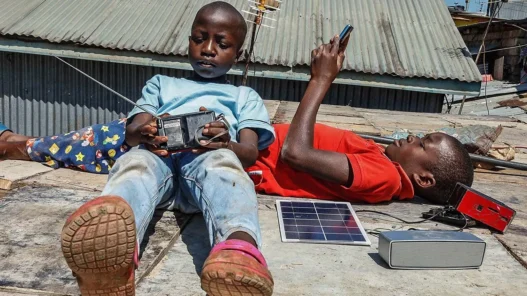
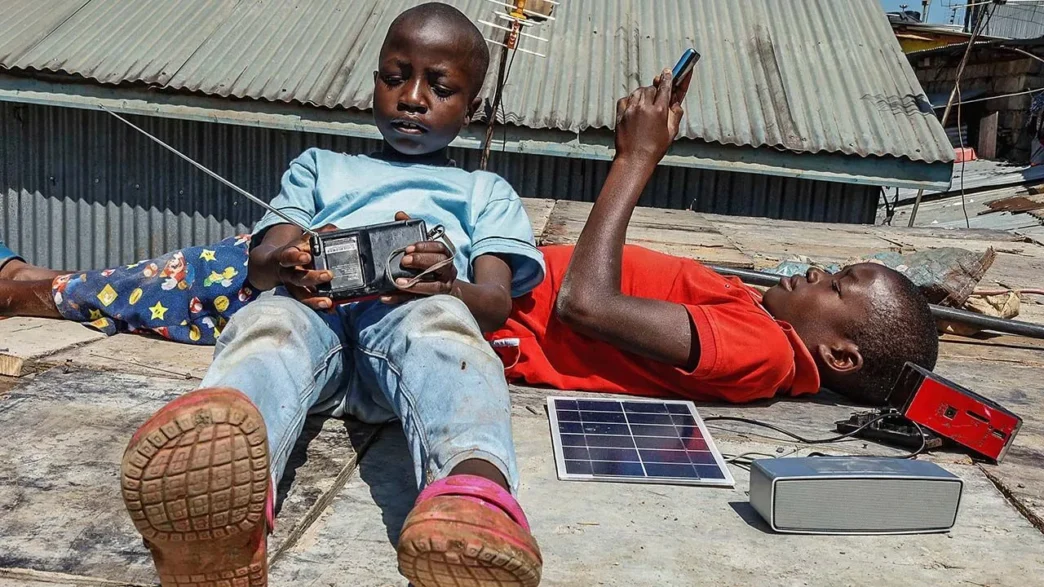
What explains the enduring appeal? Radio is low-cost and easy to access. FM radios are embedded in even the cheapest phones and don’t require pricey mobile data to tune into. Many listeners call in to shows while stuck in traffic in Africa’s megacities.
Rather than hurt radio, the internet may be helping its stars. Big-name presenters have become social-media celebrities. One, in Kenya, brags that he now makes most of his money online from brand endorsements after becoming famous on the radio. Kenya is also harnessing the internet to solve its frequency shortage. Following Ghana and Senegal, it is trialling DAB radio, which compresses radio waves into digital data to make room for more stations.