




|
Neubauer Artists LLC
Getting your Trinity Audio player ready...
|
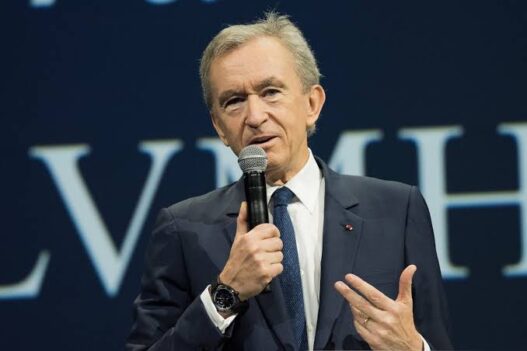
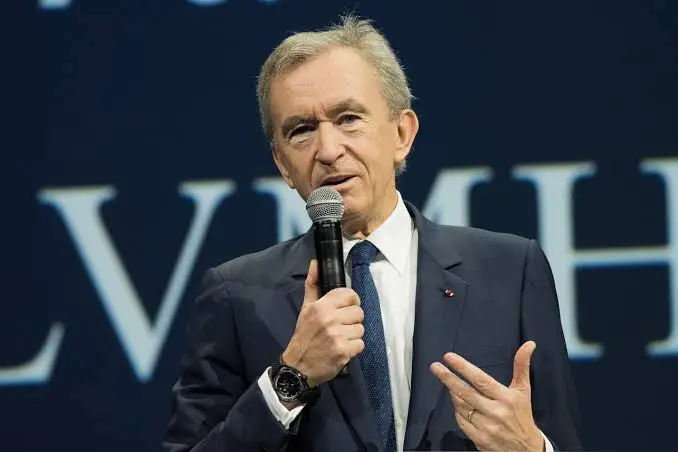
In 2016, LVMH announced the acquisition of 80% of Rimowa, the iconic German luxury luggage brand. Bernard Arnault emphasized at the time that Rimowa was a “brand with a unique heritage” sharing “the same passion for innovation and a common desire to offer very high-quality products rooted in European craftsmanship.”
the LVMH group announced a major operation in the world of luxury: the acquisition of 80% of the German trunk maker Rimowa for 640 million euros . According to our colleagues at AFP , this acquisition, expected to be finalized in January 2017, marked a symbolic step: for the first time, a German company was joining the portfolio of the French luxury giant.
In a joint statement, the group specified that “Rimowa thus becomes the first German brand within the LVMH group ,” according to AFP . This wording underscored the strategic significance of this operation, which is industrial, cultural, and international.
Founded in Cologne in 1898, Rimowa established itself as a global leader in high-end luggage thanks to a series of major innovations: the first aluminum suitcase in 1937, a waterproof metal suitcase in 1976, and then polycarbonate models from 2000 onwards. According to our colleagues, the brand employed around 3,000 people and distributed its products in 65 countries through nearly 150 stores, with sales expected to exceed 400 million euros in 2016.
Alexandre Arnault, a key player in Rimowa’s transformation
One of the central elements of this operation was the appointment of Alexandre Arnault as head of Rimowa. Son of Bernard Arnault, he played a key role in modernizing the brand, particularly in digital, marketing repositioning, and collaborations with contemporary designers.
Bernard Arnault also emphasized, according to AFP , that Rimowa was a “brand with a unique heritage” sharing “the same passion for innovation and a common desire to offer very high-quality products stemming from a European artisanal tradition .” He also highlighted the strategic importance of the German market and the strength of its family businesses.A global expansion strategy for LVMH
Rimowa’s integration into the group of the billionaire who acquired the famous Château d’Yquem was part of a broader diversification strategy alongside brands like Louis Vuitton. The group was thus pursuing its international expansion and strengthening its influence across all segments of the luxury market.
Rimowa already enjoyed high visibility among international celebrities. Actress Jessica Alba, for example, is regularly seen with the brand’s suitcases, helping to reinforce its lifestyle and premium image.
Tennis player Stefanos Tsitsipas also used the brand when traveling on the ATP circuit, reinforcing its association with performance and high-end travel.
Rimowa’s influence was also boosted by Formula 1 champion
Lewis Hamilton , an iconic ambassador for the brand, who embodied an image of modern and international luxury.
In this context, LVMH capitalized on an already highly desirable brand while accelerating its digital transformation , international expansion, and creative collaborations. The acquisition of Rimowa thus illustrated a strategy combining German industrial heritage, product innovation, and global marketing power.
By integrating Rimowa, the group confirmed its desire to control the entire chain of contemporary luxury, from artisanal know-how to global cultural influence.